
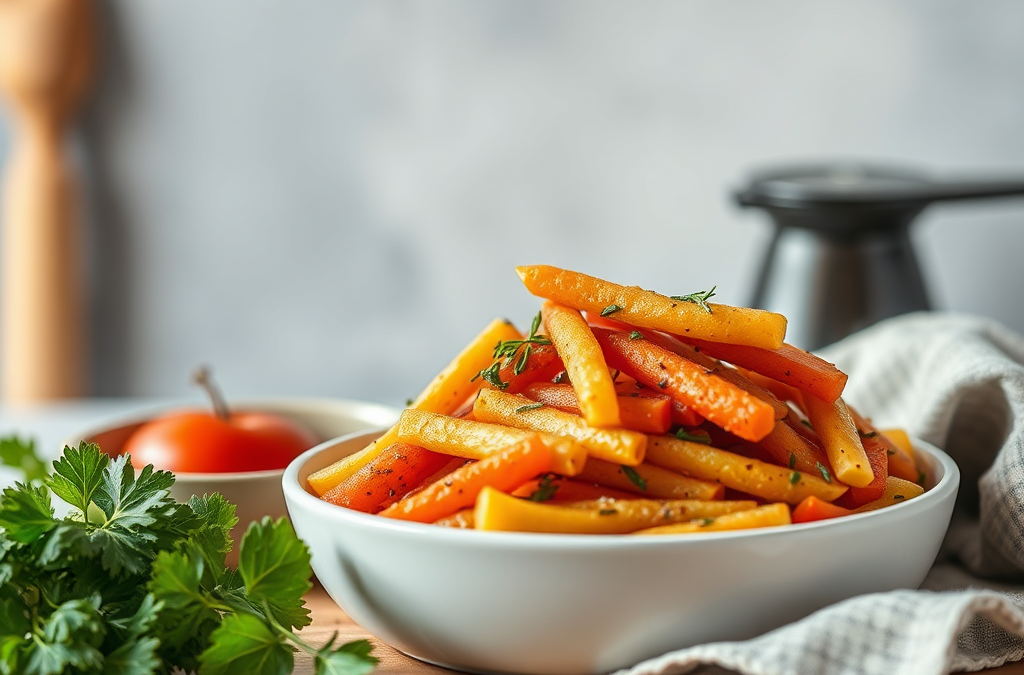
Cooking methods have a profound impact on the nutritional value of whole foods, influencing how many vitamins and minerals are retained. Techniques such as boiling can lead to the loss of water-soluble vitamins, while steaming is more effective in preserving these nutrients. To maximize nutrient intake, it is advisable to choose cooking methods that minimize nutrient loss; for instance, steaming vegetables instead of boiling them can significantly enhance their health benefits. Additionally, be mindful of the cooking water from boiling, as it contains valuable nutrients that are often discarded.
The effect of cooking methods on whole food nutrition plays a critical role in determining how much of the food’s inherent nutrients are preserved or lost during cooking. Each cooking technique affects the nutritional composition differently, influencing the levels of vitamins, minerals, and other essential compounds in the food. For instance, methods like boiling may cause significant nutrient loss, while steaming tends to retain more vitamins and minerals.
Choosing the right cooking method is essential for maximizing nutrient intake. Many people underestimate how their cooking choices can impact the health benefits of their meals. For example, while frying can enhance flavor, it often introduces unhealthy fats and reduces the nutrient density of the food. On the other hand, methods such as grilling or baking can provide a healthier alternative that maintains more of the food’s nutritional value.
Boiling Versus Steaming: Nutrient Retention
Boiling and steaming are two common cooking methods that can significantly affect nutrient retention. Boiling often results in the leaching of water-soluble vitamins, such as vitamin C and some B vitamins, into the cooking water. In contrast, steaming allows food to cook without direct contact with water, which helps preserve these nutrients. Therefore, when preparing vegetables, opting for steaming rather than boiling can enhance their nutritional value.
Many people fail to recognize that the cooking water, often discarded, contains many of the nutrients lost during boiling. To mitigate this, consider using the cooking water in soups or sauces to reclaim some of the nutrients. Furthermore, the cooking time is crucial; overcooking vegetables can lead to further nutrient degradation, regardless of the method used.
Roasting and Baking: Flavor and Nutrition
Roasting and baking are popular cooking techniques that can enhance the flavor of whole foods while preserving their nutrient content. These methods typically involve cooking at higher temperatures, which can caramelize sugars and enhance flavors. Additionally, roasting can help retain vitamins and minerals, particularly when using minimal oil and avoiding excessive cooking times.
However, it’s essential to monitor cooking times closely. Over-roasting can lead to charred food, which not only diminishes its nutritional value but can also produce harmful compounds. Using herbs and spices during roasting can add flavor without compromising health benefits, making this method both delicious and nutritious.
Frying: The Trade-offs of Flavor and Health
Frying is a widely used cooking method known for its ability to create crispy textures and rich flavors. However, it often comes at the cost of increased fat content and potential nutrient loss. When foods are deep-fried, they absorb oil, which can contribute to unhealthy dietary fats and add calories.
To make frying a healthier option, consider using healthier oils with high smoke points and limit frying times. Additionally, exploring air frying can provide a similar texture with significantly less oil, preserving the nutritional integrity of the food while enhancing its flavor.
Microwaving: Quick Cooking with Nutritional Benefits
Microwaving is often overlooked as a cooking method but can be one of the best for preserving nutrients. The quick cooking time means that vegetables and other whole foods are exposed to heat for a shorter duration, which reduces nutrient loss. Microwaving also requires little or no added water, which further helps in retaining vitamins and minerals.
For optimal results, cover foods while microwaving to create steam, which can enhance cooking efficiency without sacrificing nutrients. This method not only saves time but also helps maintain the vibrant colors and textures of vegetables, making them more appealing on the plate.
Huge Discount on the Best Certified Organic Whole Food Supplement!
Conclusion
To wrap up, the effect of cooking methods on whole food nutrition is profound and varies significantly between techniques. To maximize nutrient retention, choose cooking methods such as steaming or microwaving, while being cautious with methods like boiling and frying that can lead to nutrient loss. Understanding these differences allows you to make informed choices that enhance the nutritional quality of your meals. Prioritize cooking methods that maintain the integrity of whole foods, ensuring healthy and delicious meals.

