
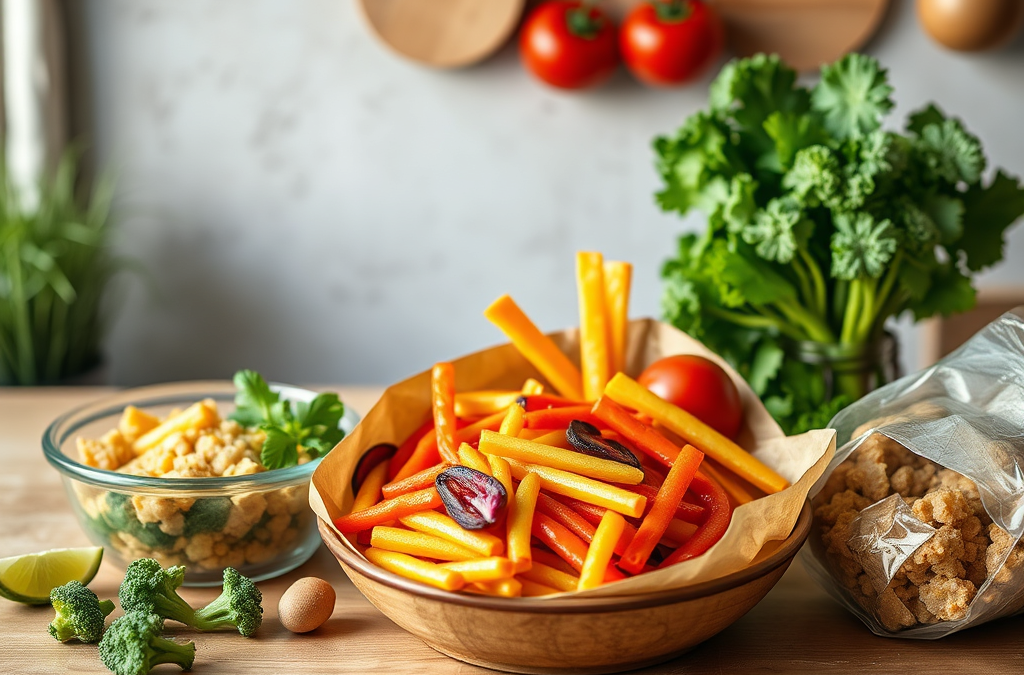
Incorporating whole foods into a busy lifestyle can be effectively achieved by prioritizing meal prep, utilizing quick cooking methods, and keeping a well-stocked pantry. Focus on batch cooking on weekends, using versatile ingredients that can be easily transformed into different meals, and planning snacks around whole food options like fruits and nuts. This approach minimizes time spent cooking during the week and ensures access to nutritious meals despite a hectic schedule.
Incorporating whole foods into a busy lifestyle requires strategic planning and efficient cooking methods. Start by dedicating time each week for meal preparation, which can significantly reduce daily cooking stress and ensure you have healthy options readily available. Focus on batch cooking, where you prepare larger quantities of meals that can be divided into portions for the week. This not only saves time but also helps you stick to whole food choices.
Another key aspect is to streamline your grocery shopping by creating a list of staple whole foods, such as grains, legumes, fruits, and vegetables. These items can serve as the base for various meals and snacks. Consider using quick cooking methods like steaming or stir-frying, which preserve nutrients while saving time. Additionally, make use of kitchen gadgets like slow cookers or pressure cookers to prepare meals with minimal effort.
Meal Prep Essentials for Whole Foods
Effective meal prep is crucial for incorporating whole foods into your busy routine. Start by choosing a day to prepare meals for the week ahead. Select recipes that can be easily scaled up, such as soups, stews, and grain bowls. Having a variety of ingredients prepared will allow for quick assembly of meals throughout the week. Label containers with dates to keep track of freshness.
When preparing meals, consider versatile ingredients like quinoa or brown rice, which can serve as the base for multiple dishes. Incorporating seasonal vegetables can also enhance the flavor and nutritional value of your meals while keeping costs down.
Quick Cooking Techniques
Utilizing quick cooking techniques can make it easier to incorporate whole foods into your meals. Steaming vegetables retains their nutrients and color, while stir-frying allows for quick cooking of proteins and greens. These methods not only preserve the nutritional quality of the foods but also keep cooking times to a minimum.
Another effective technique is to use a pressure cooker, which can significantly reduce cooking time for grains and legumes. This way, you can enjoy hearty meals without spending hours in the kitchen. Exploring one-pan or sheet-pan recipes can also streamline cooking and cleanup.
Smart Grocery Shopping Tips
When grocery shopping for whole foods, it’s important to be strategic. Create a list based on your meal prep plans, focusing on whole grains, legumes, fresh fruits, and vegetables. Shopping in bulk can save money and reduce packaging waste.
Consider visiting local farmer’s markets for fresh produce, which often supports local agriculture and provides seasonal options. Additionally, explore the frozen section for fruits and vegetables, as these can be just as nutritious and have a longer shelf life.
Whole Food Snack Ideas
Snacking can be a challenge when trying to incorporate whole foods, but having healthy options on hand can make it easier. Prepare snacks like cut vegetables with hummus, fruit and nut butter, or whole grain crackers with cheese. These options are not only nutritious but can also be prepared in advance for convenience.
Keep a stash of nuts, seeds, and dried fruits in your bag for a quick energy boost while on the go. These snacks are nutrient-dense and can help to curb hunger between meals.
Huge Discount on the Best Certified Organic Whole Food Supplement!
Conclusion
Incorporating whole foods into a busy lifestyle is achievable with the right strategies in place. Prioritize meal prep, use quick cooking techniques, and maintain a smart grocery list to ensure you have nutritious options readily available. By making small adjustments to your routine, you can enjoy the benefits of whole foods without feeling overwhelmed by time constraints. Embrace these practices, and you’ll find it easier to maintain a healthy, balanced diet amidst a busy schedule.
Huge Discount on the Best Certified Organic Whole Food Supplement!
Further Reading
Authoritative Sources
- Whole Grains Council Grain Resources
wholegrainscouncil.orgPractical grain education covering whole grains, oats, milling context, and food-use guidance.
- USDA FoodData Central Grain Nutrition Data
fdc.nal.usda.govUSDA food composition data useful for oats, flour, meal, and grain-based nutrition references.
- USDA Agricultural Research Service
ars.usda.govAgricultural research resources related to grains, crops, processing, and food quality.