
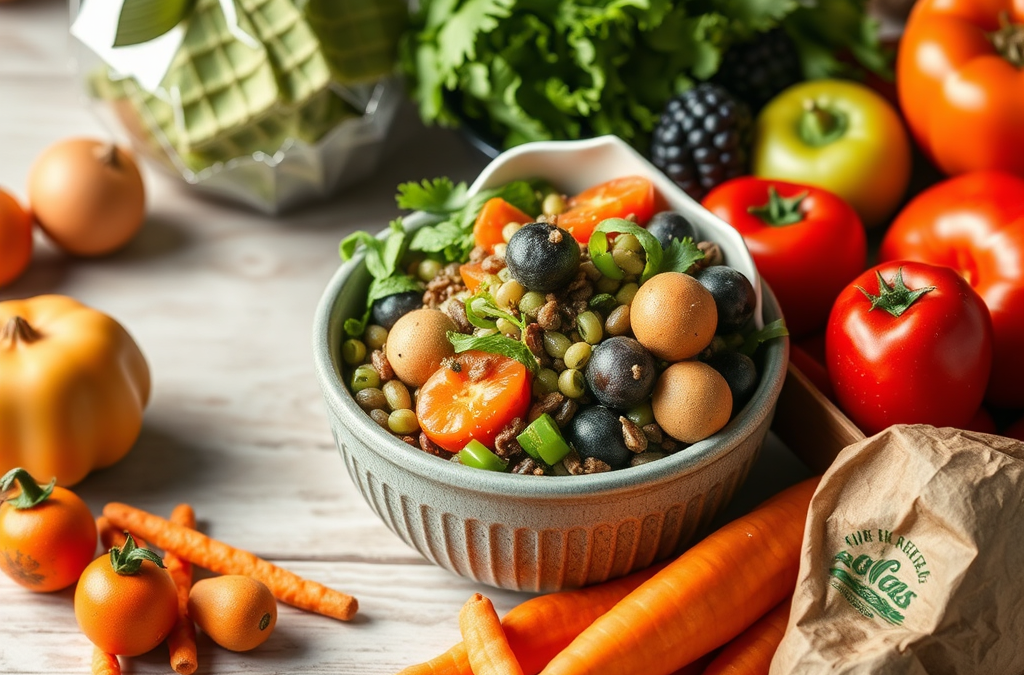
To select whole foods for specific dietary needs, start by assessing your individual health requirements, including any allergies or intolerances. For example, individuals with gluten sensitivities should prioritize gluten-free grains like quinoa and rice, while those managing diabetes should opt for low glycemic index foods such as legumes and non-starchy vegetables. Focus on incorporating a variety of fresh fruits, vegetables, whole grains, and lean proteins to ensure a nutrient-dense diet. Avoid processed foods that often contain hidden sugars and unhealthy fats, which can undermine your health goals. Consulting a healthcare professional or dietitian can provide tailored guidance to optimize your food choices.
Selecting whole foods tailored to specific dietary needs is essential for achieving optimal health. It involves understanding personal health conditions, dietary restrictions, and nutritional goals to make informed food choices. Whole foods, such as fresh fruits, vegetables, whole grains, and lean proteins, are naturally nutrient-dense, providing essential vitamins and minerals without the additives often found in processed foods.
To effectively select whole foods, begin by assessing your unique dietary requirements. For instance, individuals with celiac disease must avoid gluten-containing grains like wheat, while those with diabetes should focus on low glycemic index foods to manage blood sugar levels. Recognizing these specific needs helps in making appropriate food selections and avoiding potential health risks.
Understanding Dietary Needs
Understanding your dietary needs is the first step in selecting whole foods. This involves identifying any allergies, intolerances, or specific health conditions that require dietary adjustments. For instance, someone with lactose intolerance should avoid dairy products, while a person with high cholesterol may need to limit saturated fats.
Additionally, it’s crucial to consider personal health goals. If weight loss is a priority, focusing on foods that provide satiety, such as fiber-rich vegetables and whole grains, can be beneficial. Always consult a healthcare professional or a registered dietitian for personalized advice based on your health status.
Identifying Nutrient-Dense Whole Foods
Nutrient-dense foods are those that provide a high level of vitamins and minerals relative to their calorie content. When selecting whole foods, prioritize options such as leafy greens, berries, nuts, seeds, and legumes. These foods not only support overall health but also help in managing specific dietary needs.
For instance, if you’re aiming for better heart health, incorporating foods rich in omega-3 fatty acids, like flaxseeds and walnuts, can be advantageous. Understanding the nutritional profile of various foods will enable you to make choices that align with your dietary requirements.
Avoiding Processed Foods
Processed foods often contain added sugars, unhealthy fats, and preservatives that can undermine health goals. When selecting whole foods, it’s important to minimize or eliminate processed options. Look for foods in their natural state, such as whole fruits instead of fruit juices, and whole grains rather than refined grains.
Additionally, reading labels can help you avoid hidden ingredients that may not align with your dietary needs. Being vigilant about food choices can significantly impact your health outcomes and adherence to a specific diet.
Practical Tips for Shopping
When shopping for whole foods, consider the following practical tips: first, make a list of foods that cater to your dietary needs to avoid impulse purchases. Second, shop the perimeter of the grocery store where fresh produce, meats, and dairy are typically located, as this area usually contains fewer processed options.
Third, consider seasonal produce; it’s often fresher, tastier, and more affordable. Lastly, if possible, choose organic options for produce that is on the Environmental Working Group’s list of dirty dozen, as these are more likely to contain pesticide residues.
Huge Discount on the Best Certified Organic Whole Food Supplement!
Conclusion
To wrap up, selecting whole foods for specific dietary needs requires a thoughtful approach that considers personal health conditions, nutritional goals, and food choices. By prioritizing nutrient-dense options while avoiding processed foods, you can significantly enhance your overall well-being. Remember to consult with a healthcare professional for personalized guidance and to stay informed about your dietary requirements for optimal health.