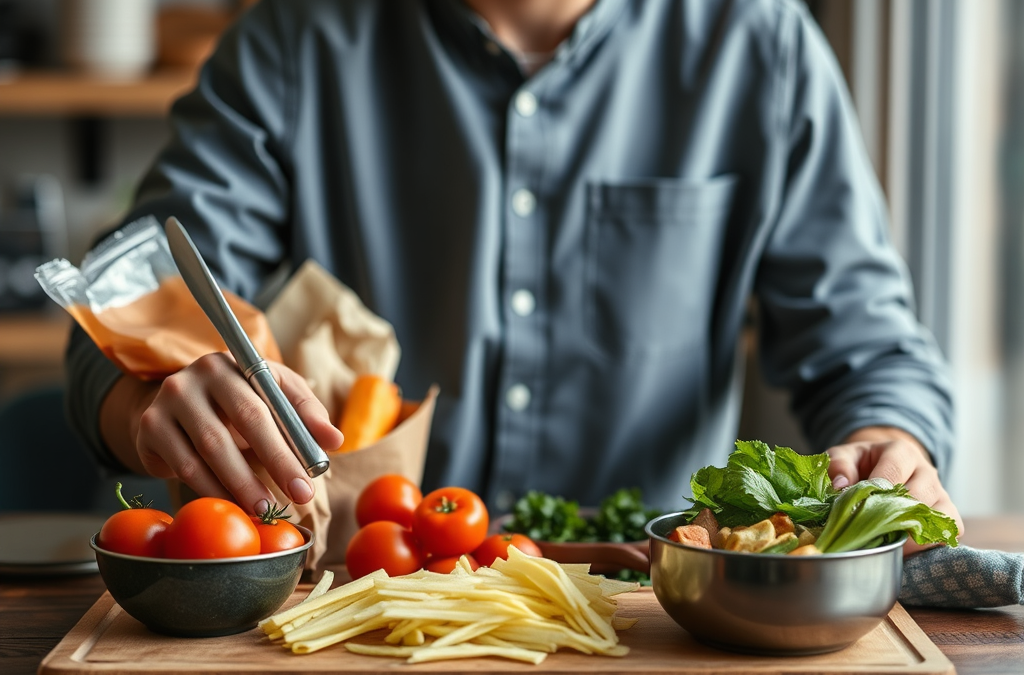
Issues with whole food portion sizes arise mainly from misjudging serving sizes and the lack of clear guidelines. Many people tend to rely on visual estimates, which can lead to significant discrepancies in actual portions, especially with calorie-dense foods like nuts and avocados. To improve portion control, individuals should utilize measuring tools such as scales or cups to ensure accuracy. Additionally, adjusting portion sizes based on personal dietary needs and activity levels can help maintain a balanced intake of nutrients while preventing both overconsumption and underconsumption. Understanding the nutritional density of various whole foods is essential for making informed choices.
Understanding Whole Food Portion Sizes
Whole food portion sizes can be challenging to navigate due to the varying densities and nutritional profiles of different foods. Unlike processed foods, which often have clear serving sizes, whole foods such as fruits, vegetables, grains, and proteins require a more intuitive approach. Understanding the nutritional value and caloric density of these foods is crucial for managing portion sizes effectively.
For instance, a cup of spinach has significantly fewer calories than a cup of quinoa, making it essential to recognize that not all foods are created equal in terms of nutrition. This understanding helps in creating balanced meals that meet energy needs without overconsuming calories. When individuals fail to grasp these differences, they may unintentionally consume too much of lower-calorie foods while neglecting higher-calorie items that are necessary for a balanced diet.
Common Miscalculations in Portion Sizes
Many people struggle with accurately assessing portion sizes, particularly with whole foods. A common mistake is estimating serving sizes based on visual cues rather than using precise measurements. For example, a handful of nuts can vary greatly in portion size, leading to significant differences in caloric intake.
Another frequent miscalculation involves underestimating the calorie content of dense foods like avocados or oils. While these foods offer numerous health benefits, their high caloric density means that even small amounts can contribute significantly to daily caloric intake. Failing to account for these factors can lead to unintended weight gain or nutrient deficiencies.
Strategies for Accurate Portion Control
To manage whole food portion sizes effectively, several practical strategies can be implemented. First, using measuring tools such as cups, spoons, or food scales can help individuals understand what a proper serving looks like. This practice fosters a more accurate perception of portion sizes and can help prevent overconsumption.
Additionally, meal prepping can be an effective way to control portion sizes. By preparing meals in advance, individuals can ensure they are eating appropriate portions of various food groups, thus promoting a balanced diet. Keeping a food diary can also aid in tracking portion sizes and understanding personal eating habits, which can be essential for making necessary adjustments.
Adapting Portion Sizes to Individual Needs
It’s important to recognize that portion sizes should be tailored to individual health goals, activity levels, and dietary needs. For instance, athletes or individuals with higher energy requirements may need larger portions to meet their nutritional needs, while someone aiming for weight loss may need to adjust their portions downward.
Listening to one’s body is key. Hunger and satiety cues can provide valuable information about how much food is necessary. Educating oneself on these signals can lead to more mindful eating practices and better portion control. Ultimately, understanding personal nutritional needs and adjusting portion sizes accordingly is crucial for achieving health goals.
For those looking to deepen their understanding of portion control and whole food nutrition, several resources can provide additional insights. Official dietary guidelines, nutrition textbooks, and reputable health websites are excellent starting points for exploring this topic further.
Huge Discount on the Best Certified Organic Whole Food Supplement!
Frequently Asked Questions
What are common mistakes people make with whole food portion sizes?
Common mistakes include visually estimating portions inaccurately and underestimating the caloric density of certain foods, leading to overconsumption.
How can I measure portion sizes accurately?
Using measuring cups, spoons, and food scales can help ensure accurate portion sizes. Meal prepping can also aid in portion control.
Why is it important to adapt portion sizes to individual needs?
Adapting portion sizes is crucial to meet individual energy requirements based on factors like activity level and health goals, helping to maintain a balanced diet.
What role do hunger cues play in portion control?
Hunger and satiety cues are important indicators of how much food is necessary, allowing for more mindful eating and better portion management.
How can meal prepping assist with portion control?
Meal prepping ensures that meals are prepared in advance with appropriate portion sizes, promoting balanced eating and preventing overconsumption.
Conclusion
Understanding and managing portion sizes is vital for anyone looking to maintain a balanced diet and achieve their health goals. By recognizing the differences in food density, utilizing measuring tools, and adapting portions to individual needs, individuals can make informed choices that support their nutritional requirements. Prioritizing portion control not only aids in weight management but also ensures a diverse intake of essential nutrients.
Huge Discount on the Best Certified Organic Whole Food Supplement!
Further Reading
Authoritative Sources
- NIH Office of Dietary Supplements
ods.od.nih.govEvidence-based information on vitamins, minerals, supplements, and nutrition-related questions.
- USDA FoodData Central
fdc.nal.usda.govUSDA nutrient data for foods and ingredients used in nutrition decisions.
- Harvard T.H. Chan School of Public Health Nutrition Source
hsph.harvard.eduPublic health nutrition guidance and educational resources.

