
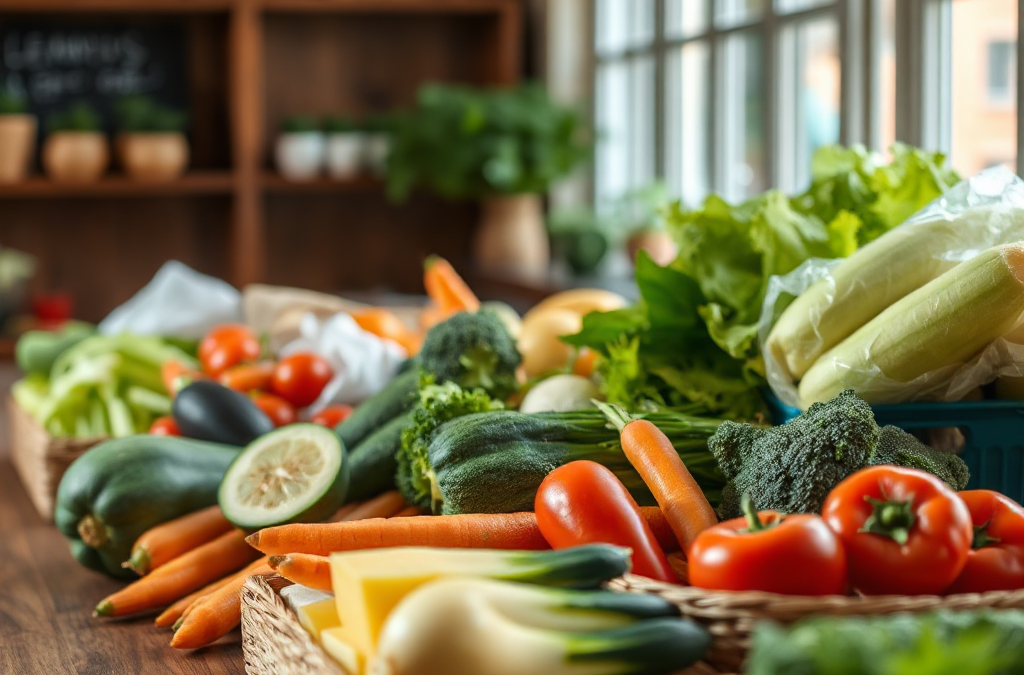
Many misconceptions surround organic whole foods, particularly regarding their health benefits and nutritional content. While some consumers assume that organic foods are inherently healthier and pesticide-free, this is not always the case. Nutritional differences between organic and conventional foods can be minimal, influenced more by farming practices and soil quality than by the organic label itself. Additionally, organic farming may still utilize natural pesticides, which can mislead those seeking completely chemical-free options. To make informed choices, it's essential to research specific brands and understand the standards behind organic certifications.
Understanding Organic Certification
Organic certification is a process that ensures agricultural products meet specific standards set by regulatory bodies. These standards vary by country but typically involve guidelines regarding how food is grown, handled, and processed. A common misconception is that all organic products are created equal. In reality, the term ‘organic’ can apply to a range of practices and standards. For example, USDA-certified organic products must adhere to stringent regulations, while products labeled as ‘natural’ may not have the same level of scrutiny.
Understanding these distinctions is crucial for consumers aiming to make informed choices. Certified organic foods often promote sustainable agricultural practices and reduced chemical usage, but not all organic products guarantee superior quality or nutritional benefits. It is vital to research brands and their practices to ensure they align with personal values regarding food quality and environmental impact.
Nutritional Value of Organic vs. Conventional Foods
A prevalent belief is that organic foods consistently offer higher nutritional value compared to conventional counterparts. However, studies show mixed results regarding the nutritional differences between organic and conventional produce. While some research indicates higher antioxidant levels in organic foods, other studies find negligible differences in vitamins and minerals.
This inconsistency often leads consumers to assume that purchasing organic guarantees better health outcomes. It’s essential to recognize that factors such as soil quality, farming practices, and variety of the produce play significant roles in nutritional content. Therefore, consumers should prioritize eating a variety of fruits and vegetables, regardless of their organic status, to ensure a well-rounded diet.
Pesticide Use in Organic Farming
Many consumers incorrectly believe that organic foods are completely free from pesticides. While organic farming does restrict the use of synthetic pesticides, it permits certain natural pesticides that can be equally harmful if misused. This misconception can lead to a false sense of security regarding the safety of organic products.
For instance, organic farmers may use neem oil or sulfur, which are considered natural but can still pose health risks if not applied correctly. Understanding that organic does not equate to pesticide-free is crucial for making informed choices. Consumers should wash all produce thoroughly, regardless of its organic status, to reduce pesticide residue and contaminants.
Cost of Organic Whole Foods
The higher price of organic whole foods is often justified by consumers based on the belief that they are healthier or better for the environment. However, the cost can be a barrier for many. Organic farming typically involves more stringent regulations, which can drive up production costs. This leads to higher prices at the retail level.
Despite the higher cost, some consumers may find that buying organic is not always necessary for every type of produce. The Environmental Working Group (EWG) publishes an annual list of the ‘Dirty Dozen,’ which highlights fruits and vegetables with the highest pesticide residues. By focusing on purchasing organic versions of these items, consumers can manage costs while still making informed choices regarding their health and environmental impact.
Frequently Asked Questions
Are organic foods always healthier?
No, organic foods are not necessarily healthier than conventional foods. Nutritional value can vary widely, and factors like soil quality and farming practices play a significant role.
Do organic foods contain pesticides?
Yes, organic foods can contain pesticides. While synthetic pesticides are prohibited, organic farming allows the use of certain natural pesticides.
Why are organic foods more expensive?
Organic foods are typically more expensive due to higher production costs associated with organic farming practices and regulatory compliance.
Is it worth buying organic produce?
Buying organic can be worth it for certain items, especially those on the 'Dirty Dozen' list, which tend to have higher pesticide residues.
How can I clean pesticides off fruits and vegetables?
Washing fruits and vegetables under running water, scrubbing with a brush, and peeling can help reduce pesticide residues on produce.
Further Reading
Authoritative Sources
Conclusion
Understanding the common misconceptions about organic whole foods is crucial for making informed dietary choices. While organic foods can offer benefits, they are not a universal solution for health or nutrition. Recognizing the nuances of organic certification, the reality of pesticide use, and the cost implications can help consumers navigate their food choices more effectively. It’s essential to focus on a balanced diet rich in a variety of fruits and vegetables, whether they are organic or conventional, to ensure optimal health.
Huge Discount on the Best Certified Organic Whole Food Supplement!
Further Reading
Authoritative Sources
- NIH Office of Dietary Supplements
ods.od.nih.govEvidence-based information on vitamins, minerals, supplements, and nutrition-related questions.
- USDA FoodData Central
fdc.nal.usda.govUSDA nutrient data for foods and ingredients used in nutrition decisions.
- Harvard T.H. Chan School of Public Health Nutrition Source
hsph.harvard.eduPublic health nutrition guidance and educational resources.

