
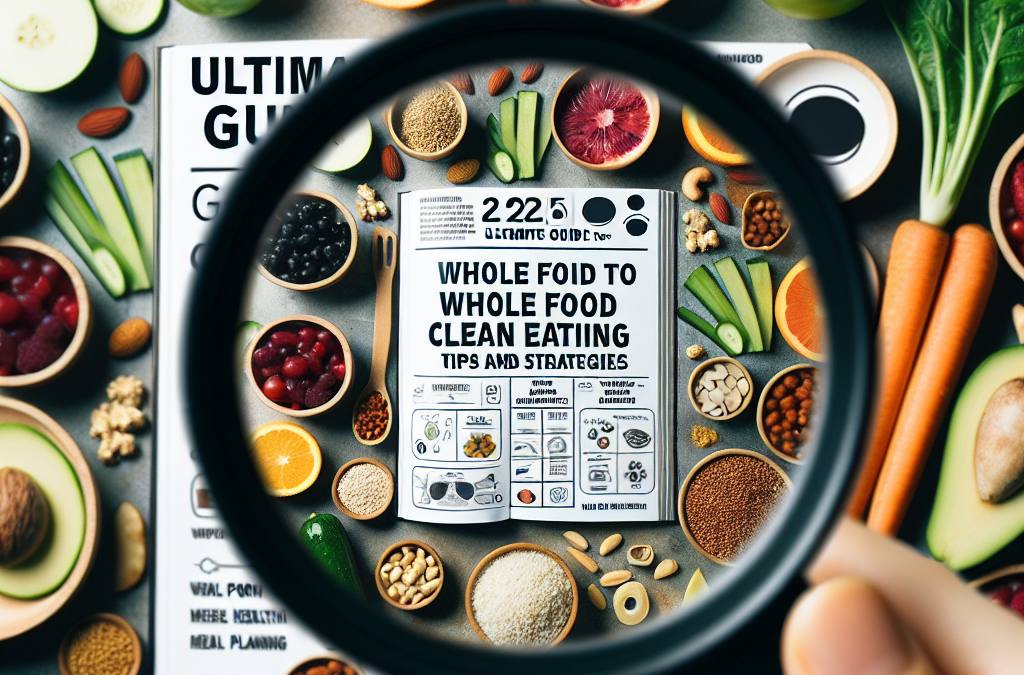
Transitioning to a whole food diet requires a thoughtful approach to incorporate nutrient-dense foods while minimizing processed options. Begin by evaluating your current eating habits and gradually replace processed items with whole foods like fruits, vegetables, whole grains, and legumes. It's essential to plan your meals and learn to read labels effectively, as this will help you identify hidden additives and preservatives in packaged foods. A common mistake is to rush the transition; instead, take your time to adjust your palate and cooking methods, ensuring a sustainable shift towards healthier eating patterns. Prioritize variety in your meals to enhance nutrient intake and keep your diet enjoyable.
Understanding Whole Foods
Whole foods are unprocessed or minimally processed foods that retain their natural nutrients, flavors, and textures. They include fruits, vegetables, whole grains, nuts, seeds, and legumes. Recognizing the value of whole foods is crucial for improving overall health, as they provide essential vitamins, minerals, and fiber while being lower in unhealthy fats and added sugars. Eating a diet rich in whole foods can help mitigate chronic diseases, improve digestion, and enhance energy levels.
When transitioning to a whole food diet, understanding the differences between whole foods and processed foods. Processed foods often contain additives, preservatives, and artificial ingredients that can detract from health benefits. For instance, choosing brown rice over white rice ensures you receive more fiber and nutrients, making it a better option for maintaining health.
Steps for a Successful Transition
To effectively navigate the transition to a whole food diet, start with a strategic plan. Begin by assessing your current eating habits and identifying areas for improvement. Gradually incorporate whole foods into your meals, aiming for a colorful plate filled with a variety of fruits and vegetables. Meal planning can be an invaluable tool in this process, allowing you to prepare and shop for whole food options ahead of time.
Another effective step is to educate yourself on reading food labels. Understanding what constitutes a whole food versus a processed one can help you make better choices in the grocery store. Look for products that list whole ingredients and avoid those with long ingredient lists filled with additives. Additionally, consider joining a community focused on whole food diets, as support from others can be motivating and informative.
Common Mistakes to Avoid
One of the most common mistakes when transitioning to a whole food diet is attempting to eliminate all processed foods at once. This can lead to feelings of deprivation and make it harder to stick to your new eating habits. Instead, focus on gradual changes, replacing one processed item at a time with whole food alternatives.
Another pitfall is neglecting meal variety. Relying too heavily on a limited range of whole foods can lead to nutritional deficiencies. Ensure you incorporate a diverse array of fruits, vegetables, grains, and proteins to meet your nutritional needs. Additionally, be cautious of assuming that all packaged foods labeled as ‘natural’ or ‘healthy’ are indeed whole foods; always check the ingredient list.
Nutritional Considerations
Transitioning to a whole food diet should also involve a focus on nutritional balance. Ensure that you are consuming adequate amounts of protein, healthy fats, and carbohydrates from whole sources. Lean proteins such as beans, lentils, and fish are excellent choices, while healthy fats can be found in avocados, nuts, and olive oil.
Hydration is another essential factor during this transition. Drinking plenty of water and herbal teas can support digestion and overall health. As you incorporate more fiber from whole foods, it is important to increase water intake to help manage digestive changes. Be mindful of your body’s signals and adjust your diet accordingly to meet your individual needs.
Frequently Asked Questions
What are the first steps to take when transitioning to a whole food diet?
Start by assessing your current diet and gradually introduce whole foods like fruits, vegetables, and whole grains while reducing processed foods.
How can I ensure I get enough nutrients on a whole food diet?
Incorporate a variety of whole foods, including different fruits, vegetables, grains, and proteins to meet your nutritional needs.
Is it necessary to eliminate all processed foods?
No, it's not necessary to eliminate all processed foods. Focus on gradually replacing them with whole food options instead.
What are some common mistakes during the transition?
Common mistakes include eliminating all processed foods at once and not ensuring a variety of whole foods in your diet.
How can I make meal planning easier?
Create a weekly meal plan with whole food recipes, shop for ingredients ahead of time, and prep meals to streamline the process.
Conclusion
Navigating the transition to a whole food diet is a rewarding journey that can lead to improved health and well-being. By understanding the importance of whole foods, making gradual changes, and avoiding common pitfalls, you can create a sustainable eating plan that enhances your daily life. Focus on variety, meal planning, and staying informed to ensure your transition is successful and enjoyable.
Huge Discount on the Best Certified Organic Whole Food Supplement!
Further Reading
Authoritative Sources
- NIH Office of Dietary Supplements
ods.od.nih.govEvidence-based information on vitamins, minerals, supplements, and nutrition-related questions.
- USDA FoodData Central
fdc.nal.usda.govUSDA nutrient data for foods and ingredients used in nutrition decisions.
- Harvard T.H. Chan School of Public Health Nutrition Source
hsph.harvard.eduPublic health nutrition guidance and educational resources.

