
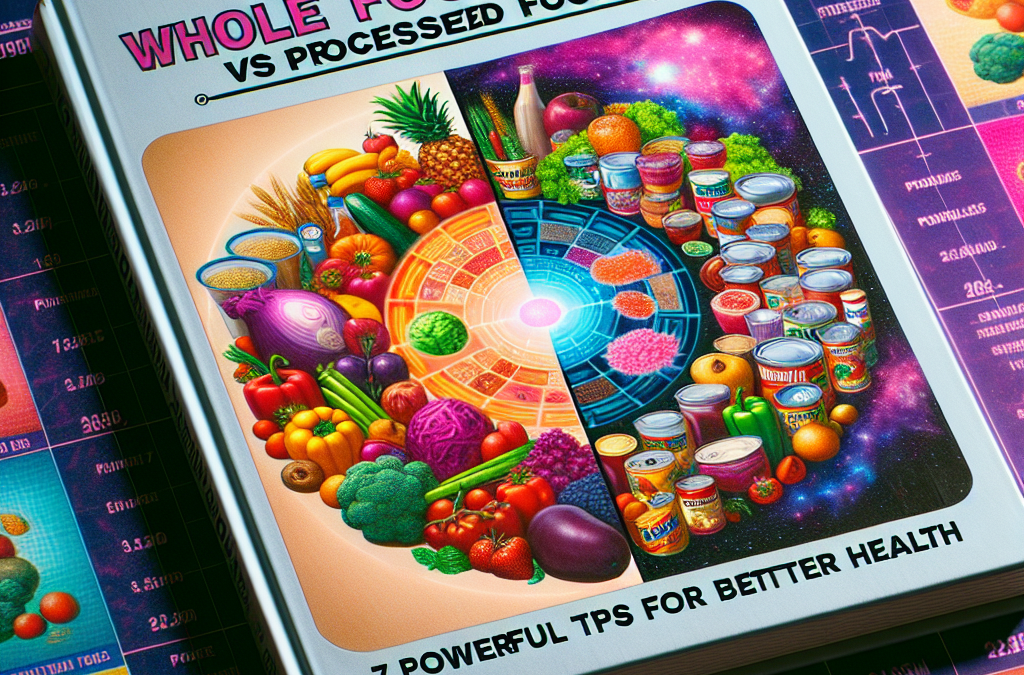
Whole foods are essential for effective weight management as they provide vital nutrients that enhance satiety and support metabolic health. By incorporating whole grains, fruits, and vegetables into your diet, you can reduce cravings for processed foods and improve your overall nutrient intake. Foods rich in fiber, such as legumes and leafy greens, help maintain feelings of fullness, which can prevent overeating. Prioritizing these nutrient-dense options not only aids in weight control but also fosters healthier eating habits, leading to better long-term health outcomes.
Understanding Whole Foods
Whole foods are minimally processed foods that retain their natural nutrients, fiber, and flavor. Unlike processed foods, which often contain additives, preservatives, and unhealthy fats, whole foods include fruits, vegetables, whole grains, nuts, seeds, and legumes. These foods are foundational for a balanced diet and play a significant role in weight management. By focusing on whole foods, individuals can enhance their overall health and maintain a healthy weight.
The importance of whole foods in weight management cannot be overstated. They are rich in nutrients that help regulate bodily functions and support metabolic health. Additionally, whole foods typically have a lower energy density, meaning they provide fewer calories per gram compared to processed foods. This characteristic is essential for those looking to manage their weight effectively, as it allows for larger portion sizes without excessive calorie intake.
Nutrient Density and Satiety
Nutrient density refers to the amount of essential nutrients a food provides relative to its calorie content. Whole foods are generally high in vitamins, minerals, and fiber, which are crucial for maintaining health and supporting weight management. Foods like leafy greens, berries, and legumes are excellent examples of nutrient-dense options that can help you feel full longer.
Satiety is influenced by various factors, including the fiber content of foods. Fiber-rich whole foods slow down digestion, leading to a more gradual release of energy and prolonged feelings of fullness. This can prevent overeating and reduce cravings for high-calorie snacks. For instance, incorporating foods like oatmeal or quinoa into meals can enhance satiety and aid in weight control.
Whole Foods vs. Processed Foods
The primary difference between whole foods and processed foods lies in their nutritional content and health impacts. Processed foods often contain added sugars, unhealthy fats, and sodium, which can lead to weight gain and health issues when consumed in excess. In contrast, whole foods provide the necessary nutrients without the added harmful ingredients.
Research indicates that diets high in processed foods are associated with increased body weight and obesity. On the other hand, diets rich in whole foods promote better weight management and overall health. By choosing whole foods over processed options, individuals can reduce their calorie intake while increasing their nutrient consumption, leading to more effective weight management.
Practical Strategies for Incorporating Whole Foods
Incorporating whole foods into your diet doesn’t have to be complicated. Here are some practical strategies to help you make the transition:
- Plan Your Meals: Create a meal plan that emphasizes whole foods. Include a variety of fruits, vegetables, whole grains, and lean proteins to ensure balanced nutrition.
- Shop the Perimeter: When grocery shopping, focus on the perimeter of the store where fresh produce, meats, and dairy are usually located, avoiding the processed food aisles.
- Prepare Your Own Meals: Cooking at home allows you to control the ingredients and avoid hidden additives found in many processed foods.
- Snack Smart: Choose whole food snacks like nuts, fruits, or yogurt instead of chips or candy to maintain energy levels without excess calories.
By implementing these strategies, you can gradually shift your diet towards whole foods, enhancing your weight management efforts and overall health.
Frequently Asked Questions
What are whole foods?
Whole foods are natural foods that are minimally processed and free from additives, including fruits, vegetables, whole grains, nuts, and seeds.
How do whole foods aid in weight management?
Whole foods are nutrient-dense and high in fiber, promoting satiety and reducing cravings, which can help maintain a healthy weight.
Can processed foods impact weight gain?
Yes, processed foods often contain added sugars and unhealthy fats that can contribute to weight gain and obesity when consumed excessively.
What are some examples of nutrient-dense whole foods?
Examples include leafy greens, berries, legumes, nuts, and whole grains like quinoa and brown rice.
How can I start incorporating more whole foods into my diet?
Start by planning your meals, shopping for fresh produce, cooking at home, and choosing whole food snacks over processed ones.
Conclusion
The relationship between whole foods and weight management is essential for achieving and maintaining a healthy weight. By focusing on nutrient-dense whole foods, individuals can benefit from greater satiety and better overall health. Practical strategies, such as meal planning and smart shopping, can facilitate the transition to a whole food diet. Ultimately, prioritizing whole foods can lead to sustainable weight management and improved well-being.
Huge Discount on the Best Certified Organic Whole Food Supplement!
Further Reading
Authoritative Sources
- Library of Congress Research Guides
guides.loc.govResearch guides that help readers locate reliable background sources on a wide range of subjects.
- USA.gov Official Information and Services
usa.govOfficial U.S. government information and public resources for practical reference.
- Google Scholar
scholar.google.comAcademic search resource for finding research literature and source material.

