
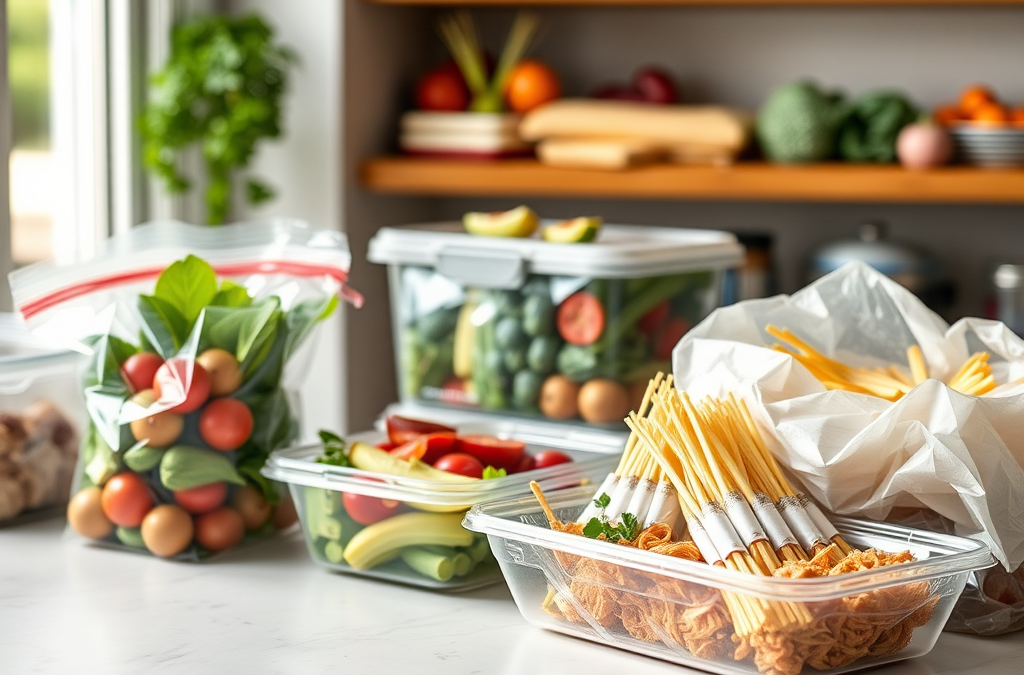
Overcoming the challenge of meal prepping for whole foods involves establishing a structured plan, selecting versatile ingredients, and utilizing efficient cooking methods. Start by choosing whole foods that can be prepared in bulk, such as grains, legumes, and seasonal vegetables. Focus on creating balanced meals that incorporate protein, healthy fats, and fiber. Common pitfalls include underestimating preparation time and neglecting food storage techniques, which can lead to spoilage. Prioritizing these strategies will help streamline your meal prep process and enhance your overall nutrition.
Understanding Whole Foods and Their Benefits
Whole foods are minimally processed foods that retain their natural nutrients, such as fruits, vegetables, whole grains, nuts, and seeds. They provide numerous health benefits, including improved digestion, reduced inflammation, and enhanced energy levels. Incorporating whole foods into your diet can help maintain a balanced nutritional profile, which is essential for overall well-being.
One key aspect to consider when meal prepping is the nutritional density of these foods. Whole foods are rich in vitamins, minerals, and fiber, which can help you feel fuller for longer and support weight management. Additionally, they often contain fewer additives and preservatives compared to processed foods, making them a healthier choice.
When planning your meals, prioritize whole foods that are versatile and can be used in various recipes. For example, quinoa can serve as a base for salads, bowls, or side dishes, while roasted vegetables can complement multiple meals throughout the week. Understanding the benefits of whole foods will help motivate you to incorporate them into your meal prep routine.
Planning Your Meals Effectively
Effective meal planning is crucial for overcoming the challenge of meal prepping for whole foods. Start by creating a weekly menu that outlines your meals and snacks. This will help you stay organized and ensure you have all the necessary ingredients on hand. Consider using a meal planning app or a simple spreadsheet to keep track of your meals and grocery list.
When planning your meals, focus on incorporating a variety of whole foods to ensure balanced nutrition. Aim for meals that include protein, healthy fats, and carbohydrates. For instance, a meal could consist of grilled chicken, quinoa, and steamed broccoli. Additionally, batch cooking can save time and effort. Prepare larger quantities of grains, proteins, and vegetables, then mix and match them throughout the week.
Another essential aspect of meal planning is considering your schedule. Identify days when you will have more time to cook and dedicate those days to meal prep. On busier days, rely on simple recipes or leftovers to avoid the temptation of reaching for processed convenience foods.
Efficient Cooking Methods for Meal Prep
Utilizing efficient cooking methods can significantly reduce the time and effort required for meal prepping. One popular method is batch cooking, where you prepare large quantities of food at once. This allows you to have ready-to-eat meals throughout the week without spending excessive time cooking each day.
Consider using cooking techniques such as roasting, steaming, and slow cooking. Roasting vegetables enhances their flavor and requires minimal hands-on time, while steaming preserves nutrients. Slow cookers are excellent for preparing soups, stews, and grains, as they can cook while you focus on other tasks.
Additionally, investing in quality kitchen tools can streamline your meal prep process. A sharp knife, cutting board, and food processor can make chopping and preparing ingredients quicker and easier. Having appropriate storage containers is also essential for keeping your prepped meals fresh and organized in the refrigerator or freezer.
Avoiding Common Meal Prep Pitfalls
Despite the benefits of meal prepping, there are common pitfalls that can hinder your success. One frequent mistake is underestimating the time required for preparation and cooking. To avoid this, allocate sufficient time in your schedule for meal prepping, and consider starting with simpler recipes if you are new to meal prep.
Another common issue is not properly storing prepped meals, leading to spoilage. Ensure that you use airtight containers and label your meals with dates to keep track of freshness. Additionally, avoid preparing too many meals at once, as this can lead to food waste if you cannot consume everything in time.
Huge Discount on the Best Certified Organic Whole Food Supplement!
Ultimately, be flexible with your meal plans. Sometimes, unexpected events or changes in appetite can occur. It’s essential to adapt your meals and plans accordingly, ensuring you still prioritize whole foods while maintaining balance in your diet.
Frequently Asked Questions
What are whole foods?
Whole foods are natural foods that are minimally processed, including fruits, vegetables, whole grains, nuts, and seeds, which retain their nutrients.
How can I start meal prepping?
Begin by planning your meals for the week, choosing versatile whole foods, and cooking in batches to save time and ensure balanced nutrition.
What are common mistakes in meal prepping?
Common mistakes include underestimating prep time, improper food storage, and preparing too many meals at once, leading to waste.
How can I keep my prepped meals fresh?
Store prepped meals in airtight containers and label them with dates to track freshness, consuming them within the recommended time frame.
What cooking methods are best for meal prepping?
Efficient cooking methods include batch cooking, roasting, steaming, and using slow cookers to prepare meals quickly and easily.
Conclusion
Successfully overcoming the challenge of meal prepping for whole foods requires effective planning, efficient cooking methods, and awareness of common pitfalls. By selecting versatile ingredients and organizing your meals, you can streamline the preparation process and enjoy the numerous health benefits of whole foods. Prioritize your meal prep efforts to ensure you maintain a balanced diet while saving time and reducing food waste.
Huge Discount on the Best Certified Organic Whole Food Supplement!
Further Reading
Authoritative Sources
- Whole Grains Council Grain Resources
wholegrainscouncil.orgPractical grain education covering whole grains, oats, milling context, and food-use guidance.
- USDA FoodData Central Grain Nutrition Data
fdc.nal.usda.govUSDA food composition data useful for oats, flour, meal, and grain-based nutrition references.
- USDA Agricultural Research Service
ars.usda.govAgricultural research resources related to grains, crops, processing, and food quality.