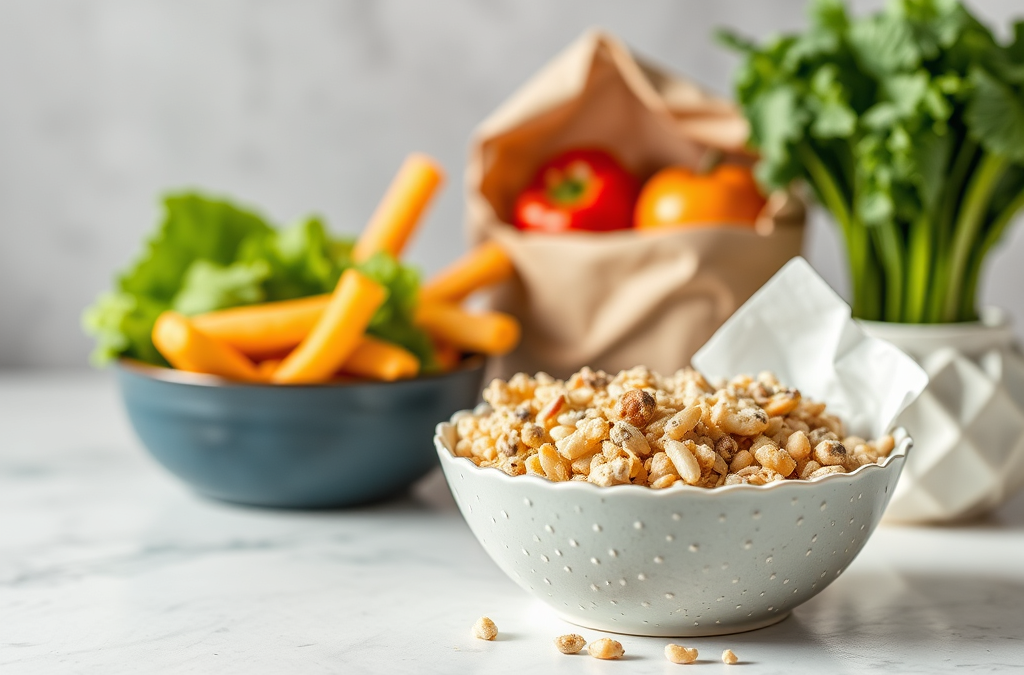
Balancing whole foods with protein intake is essential for optimal health, as it ensures adequate nutrient absorption, muscle maintenance, and overall bodily function. Whole foods provide vital vitamins, minerals, and fiber, while protein supports muscle repair and growth. Prioritizing a variety of whole foods rich in protein, such as legumes, nuts, and lean meats, can help manage hunger and improve metabolic health. It's important to consider portion sizes and the quality of both whole foods and proteins to achieve the best nutritional balance.
Understanding Whole Foods and Their Benefits
Whole foods are minimally processed foods that retain their natural nutrients and fiber. These include fruits, vegetables, whole grains, nuts, and seeds. The importance of incorporating whole foods into your diet lies in their high nutrient density. They provide essential vitamins, minerals, antioxidants, and fiber, which contribute to overall health and well-being. Whole foods can help reduce the risk of chronic diseases, support digestive health, and enhance energy levels.
Whole foods are beneficial because they help maintain stable blood sugar levels, support heart health, and promote a healthy weight. By prioritizing whole foods in your diet, you can improve your nutrient intake while minimizing the consumption of added sugars, unhealthy fats, and artificial ingredients often found in processed foods. This is crucial for maintaining a balanced diet that supports long-term health.
The Role of Protein in a Balanced Diet
Protein is a vital macronutrient that plays a key role in various bodily functions, including muscle repair, enzyme production, and hormone regulation. Incorporating adequate protein into your diet is essential for maintaining muscle mass, especially as you age. Protein also helps to keep you feeling full and satisfied, which can aid in weight management.
There are several sources of protein, including animal-based options like meat, poultry, fish, and dairy, as well as plant-based sources such as legumes, nuts, seeds, and whole grains. Each source provides a different amino acid profile, making it important to consume a variety of protein-rich foods to meet your nutritional needs. Balancing protein intake with whole foods ensures that you receive a complete range of essential nutrients, optimizing your body’s performance and health.
Strategies for Balancing Whole Foods and Protein Intake
To effectively balance whole foods with protein intake, consider the following strategies:
- Incorporate a variety of protein sources: Aim to include both animal and plant-based proteins in your meals. This not only enhances nutrient diversity but also helps to meet your protein needs effectively.
- Plan your meals: Meal planning can help you ensure that each meal contains a balance of whole foods and protein sources. Aim for a plate that includes a colorful array of vegetables, whole grains, and a suitable protein source.
- Focus on portion control: Be mindful of portion sizes for both whole foods and proteins. Consuming too much protein can lead to excess calorie intake, while not enough can hinder muscle maintenance and repair.
- Snack wisely: Choose snacks that combine whole foods with protein, such as Greek yogurt with fruits, hummus with vegetables, or a handful of nuts. This can help maintain energy levels and curb hunger between meals.
Implementing these strategies can help you achieve a balanced diet that optimally supports your health and wellness goals while ensuring adequate protein intake.
Common Mistakes to Avoid
When trying to balance whole foods with protein intake, it’s important to be aware of common pitfalls. One frequent mistake is relying too heavily on processed protein sources, such as protein bars or shakes, instead of whole foods. While these can be convenient, they often lack the full spectrum of nutrients found in whole food sources.
Another mistake is underestimating the role of carbohydrates in a balanced diet. Some individuals may focus solely on protein intake, neglecting the importance of carbohydrates from whole foods like fruits, vegetables, and whole grains. Carbohydrates are essential for providing energy and supporting overall health.
Additionally, many people overlook the importance of hydration when balancing their diets. Proper hydration is crucial for nutrient absorption and digestion, so be sure to drink plenty of water throughout the day.
Huge Discount on the Best Certified Organic Whole Food Supplement!
Frequently Asked Questions
What are whole foods?
Whole foods are foods that are minimally processed and free from artificial ingredients, including fruits, vegetables, whole grains, nuts, and seeds.
Why is protein important?
Protein is essential for muscle repair, enzyme production, and hormone regulation, making it crucial for overall health and body function.
How can I incorporate more protein into my diet?
You can incorporate more protein by adding sources like lean meats, fish, dairy, legumes, and nuts to your meals and snacks.
What are some examples of balanced meals?
A balanced meal might include grilled chicken with quinoa and steamed broccoli or a chickpea salad with mixed greens and avocado.
How much protein do I need daily?
Protein needs vary based on age, sex, and activity level, but a general guideline is to consume 0.8 grams of protein per kilogram of body weight.
Conclusion
Balancing whole foods with protein intake is essential for maintaining overall health and well-being. By incorporating a variety of whole foods and protein sources, you can ensure that your diet is nutrient-dense and supports your body’s needs. Prioritize meal planning, portion control, and smart snacking to achieve this balance effectively. Avoiding common mistakes, such as relying on processed protein sources, will further enhance your dietary approach. Embrace a holistic view of nutrition that values both whole foods and protein to foster optimal health.
Huge Discount on the Best Certified Organic Whole Food Supplement!
Further Reading
Authoritative Sources
- Library of Congress Research Guides
guides.loc.govResearch guides that help readers locate reliable background sources on a wide range of subjects.
- USA.gov Official Information and Services
usa.govOfficial U.S. government information and public resources for practical reference.
- Google Scholar
scholar.google.comAcademic search resource for finding research literature and source material.