
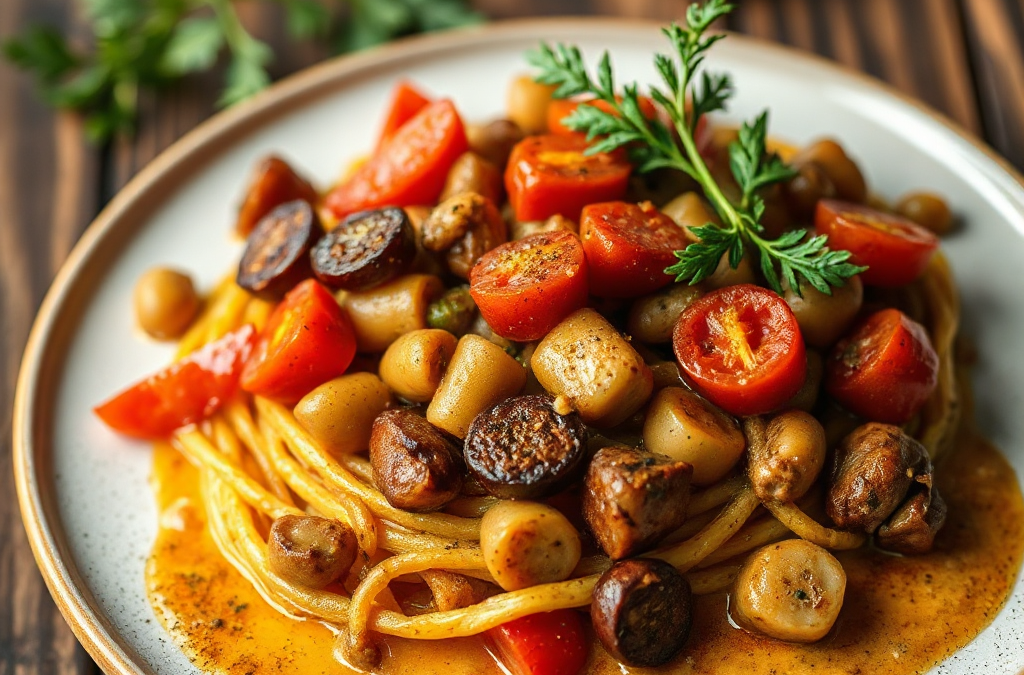
To enhance the visual appeal of whole food dishes, focus on using vibrant colors, varied textures, and creative plating techniques. Incorporating a rainbow of vegetables not only provides nutrients but also creates an eye-catching display. Consider using garnishes like fresh herbs or edible flowers to add flair. Additionally, varying the shapes of your ingredients and using contrasting colors can elevate the overall presentation, making your dishes more appetizing and inviting.
Understanding the Importance of Visual Appeal
The visual appeal of a dish is crucial in attracting attention and enhancing the dining experience. When meals are visually stimulating, they can stimulate appetite and elevate the overall enjoyment of the food. Research shows that our perception of taste is influenced by appearance; therefore, investing time in making whole food dishes visually appealing is essential. This is particularly relevant in a world where presentation can make or break a culinary experience.
Moreover, visually appealing meals can encourage healthier eating habits. When people see colorful and attractive dishes, they are more likely to try new foods, including fruits and vegetables that may not usually be part of their diet. Engaging the senses through visual aesthetics can lead to a greater appreciation of whole foods and their nutritional benefits.
Techniques for Colorful Presentations
One of the simplest ways to enhance the visual appeal of whole food dishes is to focus on color. A vibrant palette can make any dish look more enticing. Incorporating a variety of colorful vegetables, fruits, and garnishes can transform a mundane meal into a feast for the eyes. For instance, using red bell peppers, green spinach, and purple cabbage not only adds nutrition but also creates an attractive color contrast.
Another technique is to consider the color wheel when selecting ingredients. Complementary colors, which are opposite each other on the color wheel, can create striking visuals. For example, pairing orange carrots with green peas not only looks beautiful but also highlights the freshness of the ingredients. Additionally, incorporating edible flowers or microgreens can add an unexpected pop of color and sophistication.
It’s also worth noting that the way food is cooked can impact its color. Steaming vegetables often retains their vibrant hues better than boiling. Roasting can caramelize the natural sugars in vegetables, enhancing their color and flavor. Keep these cooking methods in mind when preparing dishes to ensure they look as good as they taste.
Utilizing Textures for Impact
Texture plays a vital role in the visual appeal of a dish. A combination of textures can create a more dynamic and interesting presentation. For example, pairing creamy avocado with crunchy nuts or seeds can offer a delightful contrast that engages diners on multiple sensory levels. When plating, consider the textures of the ingredients and how they interact with each other.
Incorporating different shapes and sizes of ingredients can also enhance texture. For instance, slicing vegetables into different shapes—like julienne, dice, or ribbons—can create visual interest. Additionally, layering ingredients can add depth to the presentation. A layered salad or a parfait can showcase the various components while also adding height, making the dish more visually appealing.
Moreover, garnishing with textured elements like crispy shallots, toasted seeds, or crumbled cheese can elevate the dish further. These elements not only add flavor but also enhance the visual appeal by providing contrast against smoother components.
Creative Plating Methods
Plating is an art form that can significantly impact the visual appeal of whole food dishes. The way food is arranged on a plate can tell a story and influence the diner’s perception of the meal. A well-plated dish should consider balance, color, and height. For instance, using a ring mold to stack ingredients creates a tidy and visually pleasing presentation.
Negative space on a plate is also important; allowing some empty space can make the dish feel less cluttered and more sophisticated. Experimenting with different plate shapes and sizes can further enhance presentation. A wide, shallow bowl can allow for a more expansive display, while a deep bowl can create a more intimate feel.
Huge Discount on the Best Certified Organic Whole Food Supplement!
Additionally, consider using sauces or purees to create artistic drizzles or splashes on the plate. This not only adds color but also introduces another layer of flavor. Remember, the goal is to create a dish that is not only delicious but also a feast for the eyes.
Frequently Asked Questions
What are some quick tips for making whole food dishes look better?
Use vibrant colors, vary textures, and plate creatively. Incorporate garnishes like herbs or edible flowers for added appeal.
How does color influence our perception of food?
Color can affect appetite and taste perception; attractive colors can make food more appealing and enjoyable.
What plating techniques can enhance presentations?
Consider using ring molds for stacking, allowing negative space, and experimenting with different plate shapes for visual impact.
How can I incorporate textures in my dishes?
Pair creamy ingredients with crunchy elements and vary the shapes of your ingredients to create visual and sensory interest.
Why is visual appeal important for whole food meals?
Visual appeal can stimulate appetite and encourage healthier eating habits by making dishes more enticing and enjoyable.
Conclusion
Enhancing the visual appeal of whole food dishes is essential for creating a memorable dining experience. By focusing on color, texture, and creative plating techniques, you can transform simple meals into visually stunning presentations. Remember, the goal is to engage the senses and make healthy eating enjoyable. Start experimenting with these techniques to see how they can elevate your own culinary creations.
Huge Discount on the Best Certified Organic Whole Food Supplement!
Further Reading
Authoritative Sources
- NIH Office of Dietary Supplements
ods.od.nih.govEvidence-based information on vitamins, minerals, supplements, and nutrition-related questions.
- USDA FoodData Central
fdc.nal.usda.govUSDA nutrient data for foods and ingredients used in nutrition decisions.
- Harvard T.H. Chan School of Public Health Nutrition Source
hsph.harvard.eduPublic health nutrition guidance and educational resources.

