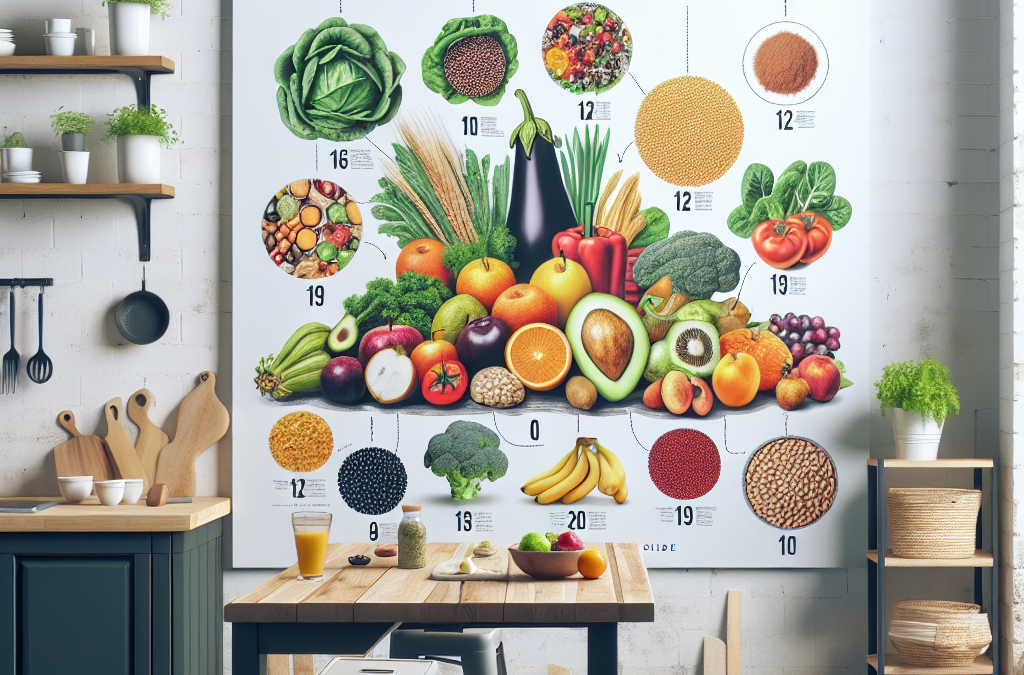
To ensure your organic produce remains fresh for as long as possible, proper storage techniques are vital. This includes understanding the specific needs of different fruits and vegetables, such as optimal humidity levels and temperature conditions.
Common mistakes include storing ethylene-producing fruits like apples and bananas with sensitive vegetables such as leafy greens. This can lead to premature spoilage. Additionally, neglecting to wash produce before storage can introduce moisture that accelerates decay. Understanding these factors can help you make informed choices about how to keep your organic produce fresh.
Optimal Storage Conditions for Different Produce
Each type of organic produce has unique storage requirements. For example, leafy greens thrive in high humidity and should be stored in the crisper drawer of your refrigerator wrapped in a damp paper towel. On the other hand, tomatoes should be kept at room temperature, away from direct sunlight, to preserve their flavor and texture.
Understanding the specific needs of each type of produce helps prevent spoilage. For instance, storing potatoes in a cool, dark place can prevent them from sprouting, while keeping bananas at room temperature allows them to ripen properly. Always consider the unique characteristics of your organic produce to maximize freshness.
Common Mistakes to Avoid
Avoiding common storage mistakes is crucial for maintaining the freshness of organic produce. One prevalent error is washing produce before storage, which can introduce moisture and promote mold growth. Instead, wash fruits and vegetables just before consumption.
Another mistake is overcrowding storage areas. When produce is packed tightly, it can lead to bruising and uneven air circulation, accelerating spoilage. Always ensure there is enough space around each item to allow for proper airflow. Being mindful of these common pitfalls can greatly enhance the longevity of your organic produce.
Best Containers for Storing Organic Produce
The right containers can make a significant difference in preserving the freshness of organic produce. Use breathable bags, such as those made from cotton or mesh, for items like apples and avocados. These allow for air circulation while preventing moisture buildup.
Huge Discount on the Best Certified Organic Whole Food Supplement!
Glass containers with airtight lids are ideal for leafy greens and cut fruits, as they minimize exposure to air while maintaining moisture. Avoid plastic bags when possible, as they can trap moisture and lead to spoilage. Selecting the appropriate storage container can help ensure your organic produce remains fresh longer.
Further Reading
Authoritative Sources
- MedlinePlus
medlineplus.govConsumer-friendly medical and health information from the U.S. National Library of Medicine.
- National Institutes of Health
nih.govResearch-based health information and links to authoritative medical resources.
- Centers for Disease Control and Prevention
cdc.govOfficial public health guidance, prevention resources, and topic-specific recommendations.
- Mayo Clinic
mayoclinic.orgTrusted clinical guidance, symptom explainers, and treatment overviews.
- World Health Organization
who.intGlobal health guidance, fact sheets, and evidence-based public health information.
Frequently Asked Questions
What is the best way to store leafy greens?
Store leafy greens in the refrigerator crisper drawer wrapped in a damp paper towel to maintain humidity.
Can I wash produce before storing it?
It’s best to wash produce just before eating to avoid introducing moisture that can lead to spoilage.
How should I store ethylene-producing fruits?
Keep ethylene-producing fruits like apples and bananas separate from vegetables to prevent premature spoilage.
What containers are best for storing organic produce?
Use breathable bags for fruits and glass containers for cut vegetables to maintain freshness.
How can I tell if my produce is spoiled?
Signs of spoilage include discoloration, mushiness, and an off smell. Discard any produce that shows these signs.
Conclusion
Storing organic produce effectively is essential for maximizing freshness and minimizing waste. Focus on understanding the specific needs of different types of produce and avoid common storage mistakes. By using the right containers and techniques, you can enjoy the full flavor and nutritional benefits of your organic fruits and vegetables for a longer period. Prioritize proper storage to make the most of your organic purchases.
Huge Discount on the Best Certified Organic Whole Food Supplement!