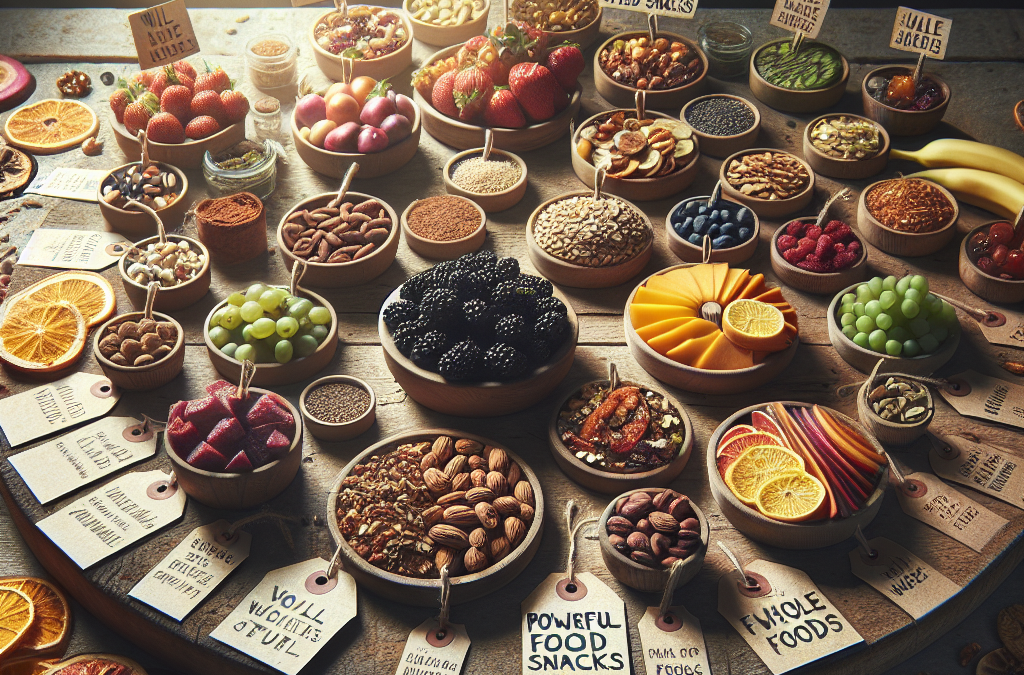
To maintain steady blood sugar levels, focus on whole foods such as leafy greens, nuts, seeds, legumes, whole grains, and low-glycemic fruits like berries and apples. These foods provide essential nutrients and fiber, which help regulate glucose absorption, preventing spikes and crashes in blood sugar.
Choosing the right whole foods is crucial for stabilizing blood sugar, particularly for those managing diabetes or prediabetes. Foods rich in fiber slow down carbohydrate digestion, leading to a more gradual release of glucose into the bloodstream. This helps avoid rapid spikes that can lead to energy crashes and cravings. Additionally, incorporating healthy fats and proteins can further enhance blood sugar control by promoting satiety and reducing hunger.
Many people mistakenly believe that all carbohydrates are detrimental to blood sugar management. However, the key lies in choosing whole, unprocessed sources that contain fiber and nutrients. For example, while white bread can cause blood sugar spikes, whole grain alternatives provide sustained energy. Understanding the glycemic index of foods and prioritizing those that promote balanced energy levels is essential for effective blood sugar management.

Leafy Greens: Nutrient-Dense Options
Leafy greens, such as spinach, kale, and Swiss chard, are among the best whole foods for steady blood sugar. They are low in calories and carbohydrates while being rich in vitamins, minerals, and antioxidants.
These vegetables are packed with fiber, which helps slow the absorption of sugar into the bloodstream. Adding leafy greens to meals can significantly enhance their nutritional profile without causing blood sugar spikes. Consider incorporating them into salads, smoothies, or as side dishes.
One common mistake is underestimating the importance of greens in a balanced diet. Many people overlook these nutrient-dense foods in favor of more calorie-dense options. Prioritizing leafy greens can provide a solid foundation for blood sugar control and overall health.
Nuts and Seeds: Healthy Fats for Stability
Nuts and seeds, including almonds, walnuts, chia seeds, and flaxseeds, are excellent choices for maintaining steady blood sugar levels. They contain healthy fats, protein, and fiber, which contribute to satiety and stable energy.
Incorporating a handful of nuts or seeds into your diet can help mitigate blood sugar spikes that often follow carbohydrate-heavy meals. They can be added to salads, yogurt, or consumed as snacks. However, it’s essential to be mindful of portion sizes, as nuts are calorie-dense.
A common pitfall is choosing salted or roasted nuts, which may contain unhealthy oils or added sugars. Opt for raw or dry-roasted varieties to maximize health benefits.
Legumes: Protein and Fiber Powerhouses
Legumes, such as lentils, chickpeas, and black beans, are fantastic whole foods for blood sugar management. They are high in protein and fiber, making them a satisfying choice that aids in blood sugar regulation.
Including legumes in your meals can provide sustained energy and help prevent cravings. They can be used in salads, soups, or as side dishes. Additionally, their low glycemic index means they have a minimal impact on blood sugar levels.
Many people fail to incorporate enough legumes into their diet, often opting for processed protein sources. Recognizing the advantages of legumes can encourage healthier meal planning and improved blood sugar control.
Whole Grains: Choosing the Right Carbs
Whole grains, such as quinoa, brown rice, and oats, provide essential nutrients and fiber that contribute to steady blood sugar levels. Unlike refined grains, whole grains retain their bran and germ, offering more fiber and nutrients.
Huge Discount on the Best Certified Organic Whole Food Supplement!
When selecting grains, prioritize options that are minimally processed to avoid blood sugar spikes. Whole grains can be included in meals as a base for bowls, side dishes, or breakfast options like oatmeal.
A common misconception is that all grains should be avoided for blood sugar control. In reality, whole grains can be a valuable part of a balanced diet when consumed in moderation and in combination with other nutrient-dense foods.
Low-Glycemic Fruits: Sweet Choices for Balance
Low-glycemic fruits, such as berries, apples, and pears, can be included in a diet aimed at steadying blood sugar levels. These fruits have a slower impact on blood sugar compared to high-glycemic options like bananas or grapes.
Incorporating low-glycemic fruits into snacks or meals can provide essential vitamins and minerals without causing rapid glucose spikes. They can be enjoyed fresh, blended into smoothies, or added to salads.
Many people mistakenly believe that all fruits are off-limits for blood sugar management. Recognizing which fruits have a lower glycemic index can empower individuals to make healthier choices while still enjoying sweet flavors.
Further Reading
Authoritative Sources
- American Diabetes Association
diabetes.orgA trusted resource for information on diabetes management and healthy eating
Frequently Asked Questions
What foods should I avoid for stable blood sugar?
Avoid processed foods, refined sugars, and high-glycemic carbohydrates that can cause spikes in blood sugar.
How often should I eat to maintain steady blood sugar?
Eating small, balanced meals and snacks every 3-4 hours can help maintain steady blood sugar levels.
Are there specific foods that lower blood sugar quickly?
Foods high in fiber, such as legumes and whole grains, can help lower blood sugar levels over time, while protein can also help stabilize them.
Can I eat fruit if I have blood sugar issues?
Yes, but opt for low-glycemic fruits and consume them in moderation to avoid spikes.
What role does hydration play in blood sugar management?
Staying hydrated helps kidneys flush out excess sugar through urine, aiding in blood sugar regulation.
Conclusion
In summary, focusing on whole foods such as leafy greens, nuts, legumes, whole grains, and low-glycemic fruits can significantly aid in maintaining steady blood sugar levels. Prioritize these foods in your diet to enhance your overall health and manage blood sugar effectively. Remember to balance meals and avoid processed options to maximize the benefits of these nutrient-dense foods. Making informed choices about what you eat is essential for long-term blood sugar control and overall well-being.
Huge Discount on the Best Certified Organic Whole Food Supplement!
Related Content
- Unlock Your Heart’s Potential: How Whole Foods Support Healthy Cholesterol Levels Naturally
- The Best Whole Foods for Sustainable Energy: Top Choices for Lasting Vitality
- How Whole Foods Help Strengthen Immunity Fast: Essential Nutrients and Dietary Choices
- Whole Food Nutrition Impact on Reducing Sugar Dependence: Effective Foods and Meal Strategies
- How Whole Foods Help Reduce Processed Sugar Intake: Practical Foods and Strategies for Healthier Choices