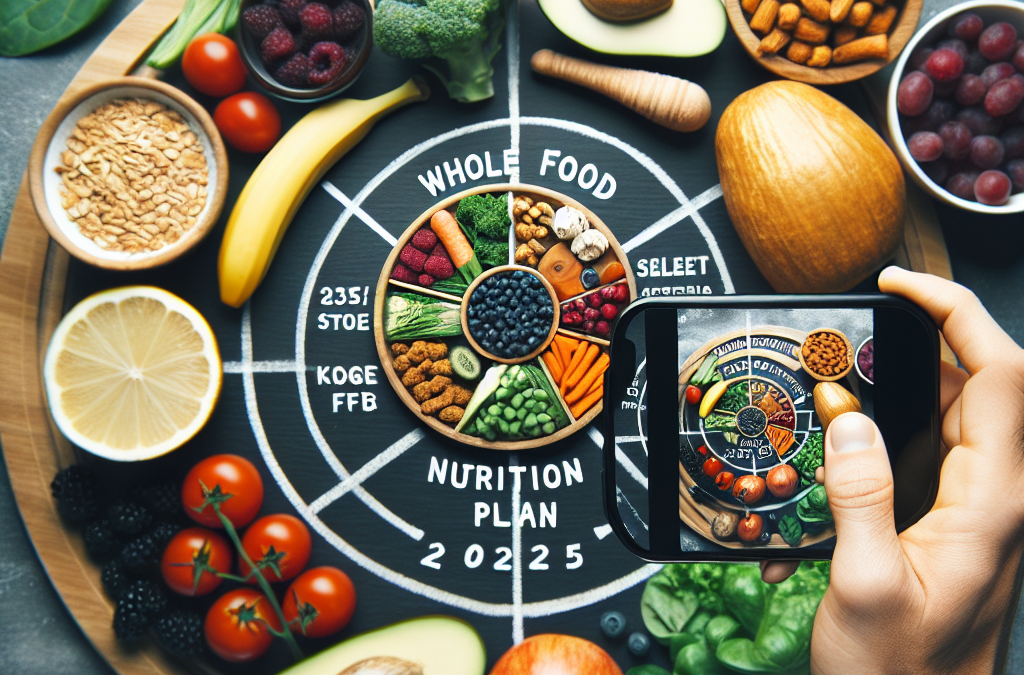
The difference between clean eating and whole food nutrition lies primarily in their focus and approach. Clean eating emphasizes avoiding processed foods and consuming natural ingredients, while whole food nutrition prioritizes foods that are minimally processed but can include some level of preparation or cooking.
Understanding these distinctions is crucial for individuals seeking to improve their dietary habits. Clean eating often involves strict rules, such as eliminating refined sugars, artificial additives, and heavily processed items, which can help reduce inflammation and improve overall health. In contrast, whole food nutrition allows for more variety, as it includes foods like frozen fruits and vegetables, which may be processed but retain their nutritional value.
A common mistake is to conflate the two concepts, leading to unnecessary restrictions that may not be sustainable long-term. Recognizing that whole food nutrition can incorporate a broader range of foods may provide a more flexible and enjoyable way to achieve health goals.
Defining Clean Eating
Clean eating focuses on consuming whole, unprocessed foods while avoiding additives, preservatives, and refined ingredients. It encourages eating foods in their natural state, including fruits, vegetables, whole grains, and lean proteins. This approach aims to eliminate harmful substances often found in processed foods, promoting better health outcomes.
However, a strict clean eating regimen can lead to feelings of deprivation, as it often excludes many convenient food options. It’s essential for individuals to find a balance that allows for enjoyment and sustainability in their dietary choices while still aiming for health improvements.
Many people mistakenly believe that clean eating means completely avoiding all processed foods, which can be unrealistic. Instead, focusing on moderation and making informed choices about food quality can lead to a healthier relationship with food.
Understanding Whole Food Nutrition
Whole food nutrition emphasizes the consumption of foods that are minimally processed. This includes fresh fruits and vegetables, nuts, seeds, legumes, and whole grains. Unlike clean eating, whole food nutrition may include some processed foods, such as canned beans or frozen vegetables, as long as they do not contain artificial ingredients.
This approach offers flexibility, making it easier for individuals to incorporate a wider variety of foods into their diets. The focus is on nutrient density and the overall quality of food consumed, rather than strict avoidance of processed items.
A common misconception about whole food nutrition is that it lacks structure. On the contrary, it provides a framework that encourages diverse food choices while still prioritizing health. Individuals can benefit from understanding the nutritional value of different foods, enabling them to make informed decisions without feeling restricted.
Comparative Benefits and Challenges
Both clean eating and whole food nutrition offer significant health benefits, including improved energy levels, better digestion, and reduced risk of chronic diseases. Clean eating may lead to more immediate results in weight loss and health improvements due to its restrictive nature, while whole food nutrition promotes long-term adherence and enjoyment.
However, challenges exist with both approaches. Clean eating can sometimes foster an unhealthy obsession with food quality and purity, leading to anxiety around eating. Whole food nutrition, while more flexible, can still be challenging for those used to highly processed diets.
Understanding these benefits and challenges allows individuals to tailor their dietary approaches to their specific needs and lifestyle, ensuring a more sustainable and enjoyable eating experience.
Huge Discount on the Best Certified Organic Whole Food Supplement!
Practical Tips for Implementation
To effectively implement clean eating or whole food nutrition, individuals should start by assessing their current eating habits and identifying areas for improvement. Gradually integrating more whole foods into meals can ease the transition, such as swapping out processed snacks for fruits or nuts.
Meal planning is another effective strategy that can help ensure a balanced diet. Preparing meals in advance reduces the temptation to reach for convenience foods and allows for better control over ingredient quality.
It’s also important to remain flexible and kind to oneself during this process. Allowing for occasional indulgences can prevent feelings of deprivation and promote a healthier relationship with food overall.
Further Reading
For those interested in exploring more about clean eating and whole food nutrition, numerous resources are available that delve into the science behind these approaches and offer practical advice for implementation.
Authoritative Sources
- Clean Eating: The Basics
example.comThis resource provides a comprehensive overview of clean eating principles and practical tips for getting started
- Whole Foods: Nutritional Benefits
example.comThis article discusses the benefits of incorporating whole foods into your diet and how they contribute to overall health
Frequently Asked Questions
What are the main principles of clean eating?
Clean eating focuses on consuming whole, unprocessed foods while avoiding additives and processed ingredients.
Can whole food nutrition include processed items?
Yes, whole food nutrition allows for some minimally processed items, like canned or frozen foods, as long as they are free from artificial ingredients.
Is clean eating more effective than whole food nutrition for weight loss?
Clean eating may lead to quicker results due to its restrictive nature, but whole food nutrition promotes long-term adherence and sustainability.
What are common mistakes people make with clean eating?
People often misinterpret clean eating as needing to avoid all processed foods, which can create unrealistic dietary restrictions.
How can I transition to whole food nutrition?
Start by gradually incorporating more whole foods into your meals and planning your meals to reduce reliance on convenience foods.
Conclusion
In conclusion, understanding the difference between clean eating and whole food nutrition allows individuals to make informed dietary choices that align with their health goals. While clean eating emphasizes strict avoidance of processed foods, whole food nutrition offers a more flexible approach that still prioritizes nutrient density. By assessing personal needs and preferences, individuals can adopt a sustainable dietary pattern that promotes health without leading to feelings of deprivation. Emphasizing balance and moderation can foster a more positive relationship with food and support long-term health.
Huge Discount on the Best Certified Organic Whole Food Supplement!
Related Content
- Discover the Secrets: How Whole Foods Support Healthy Weight Loss
- Maximizing Efficiency: Discover The Whole Food Diet Benefits for Busy Professionals
- How Whole Foods Help Strengthen Immunity Fast: Key Nutrients, Foods, and Strategies for Immediate Impact
- Maximizing Efficiency: Discover The Whole Food Diet Benefits for Busy Professionals
- The Cognitive Clarity Connection: Why Whole Foods Help Reduce Brain Fog