
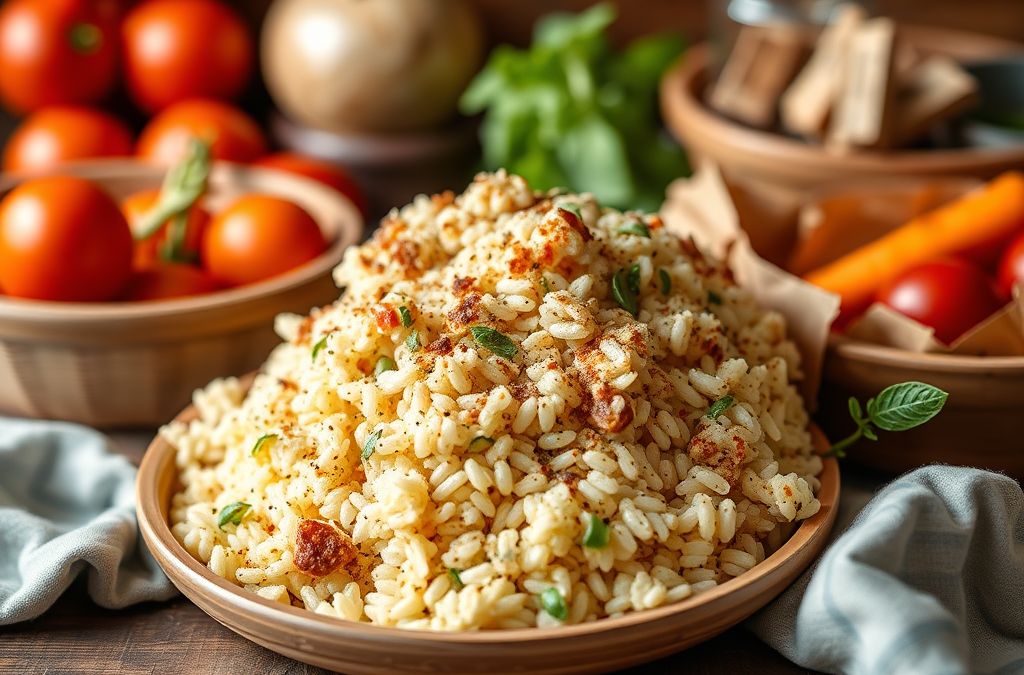
To effectively address texture issues with whole foods, experiment with various cooking methods and ingredient pairings. Techniques such as roasting vegetables can enhance their sweetness and provide a satisfying crunch, while steaming helps retain moisture and tenderness. Blending fruits into smoothies can create a smoother texture, making them more appealing to those who dislike certain consistencies. Additionally, incorporating crunchy elements like nuts in salads can balance textures and improve overall enjoyment. Being mindful of these strategies can transform your meals and encourage a greater acceptance of nutritious whole foods.
Understanding Texture Issues
Texture significantly influences the enjoyment and nutritional acceptance of whole foods. Many individuals find certain textures off-putting, which can lead to avoiding healthy options. For instance, the fibrous nature of raw vegetables may deter some from consuming them. Recognizing why texture matters is the first step in addressing these issues. A food’s texture can affect its perceived freshness, flavor release, and overall palatability.
Different types of foods exhibit varying textures, ranging from crunchy to creamy. This diversity can be harnessed to create balanced meals that appeal to a wide range of preferences. Understanding the underlying causes of texture issues—such as cooking methods, ingredient choices, and food maturity—can guide effective solutions.
Techniques for Improving Texture
Improving the texture of whole foods often requires experimentation with cooking techniques and ingredient combinations. For example, roasting vegetables can enhance their natural sweetness and create a satisfying crunch. Conversely, steaming can help retain moisture while keeping the vegetables tender. Blending fruits into smoothies or purees can transform their texture, making them more appealing to those who dislike certain consistencies.
Another technique involves using complementary ingredients to balance textures. For instance, adding nuts or seeds to salads can introduce a satisfying crunch, while creamy dressings can soften the overall mouthfeel. Furthermore, incorporating different cooking styles, such as grilling or sautéing, can alter the texture of proteins and vegetables, making them more enjoyable.
Common Mistakes to Avoid
Avoiding texture issues requires awareness of common pitfalls. One frequent mistake is overcooking vegetables, which can lead to mushiness and loss of flavor. To prevent this, it’s crucial to monitor cooking times closely and consider the desired texture when selecting methods. Additionally, under-seasoning can make whole foods taste bland and uninviting, so using herbs and spices effectively is essential.
Another mistake is ignoring the importance of ingredient quality. Fresh, in-season produce tends to have better texture and flavor than older, out-of-season options. When choosing whole foods, prioritize freshness to ensure a more enjoyable eating experience. Lastly, relying solely on one cooking method can limit the variety and appeal of meals. Experimenting with different techniques can lead to discovering new textures that enhance your meals.
Frequently Asked Questions
What are common texture issues with whole foods?
Common texture issues include mushiness in overcooked vegetables, fibrousness in raw produce, and graininess in certain grains or legumes.
How can cooking methods affect food texture?
Cooking methods like roasting and grilling can enhance crunchiness, while steaming and boiling may preserve moisture but can lead to mushiness if overdone.
Can I improve the texture of fruits?
Yes, blending fruits into smoothies, baking them, or pairing them with creamy ingredients can significantly improve their texture and palatability.
What role does seasoning play in texture?
Seasoning can enhance the overall flavor profile, making textures more enjoyable; for example, adding salt can bring out the natural crunchiness of vegetables.
How can I incorporate different textures into meals?
Incorporate various textures by combining crunchy, creamy, and tender elements in meals, such as adding nuts to salads or using creamy sauces with vegetables.
Conclusion
Addressing texture issues with whole foods is essential for enhancing meal enjoyment and nutritional intake. By exploring various cooking techniques, understanding ingredient quality, and avoiding common mistakes, individuals can create meals that appeal to diverse tastes. Emphasizing texture not only improves the eating experience but also encourages the consumption of a wider variety of whole foods. Experiment with different methods and combinations to discover what works best for you.
Huge Discount on the Best Certified Organic Whole Food Supplement!
Further Reading
Authoritative Sources
- Library of Congress Research Guides
guides.loc.govResearch guides that help readers locate reliable background sources on a wide range of subjects.
- USA.gov Official Information and Services
usa.govOfficial U.S. government information and public resources for practical reference.
- Google Scholar
scholar.google.comAcademic search resource for finding research literature and source material.

