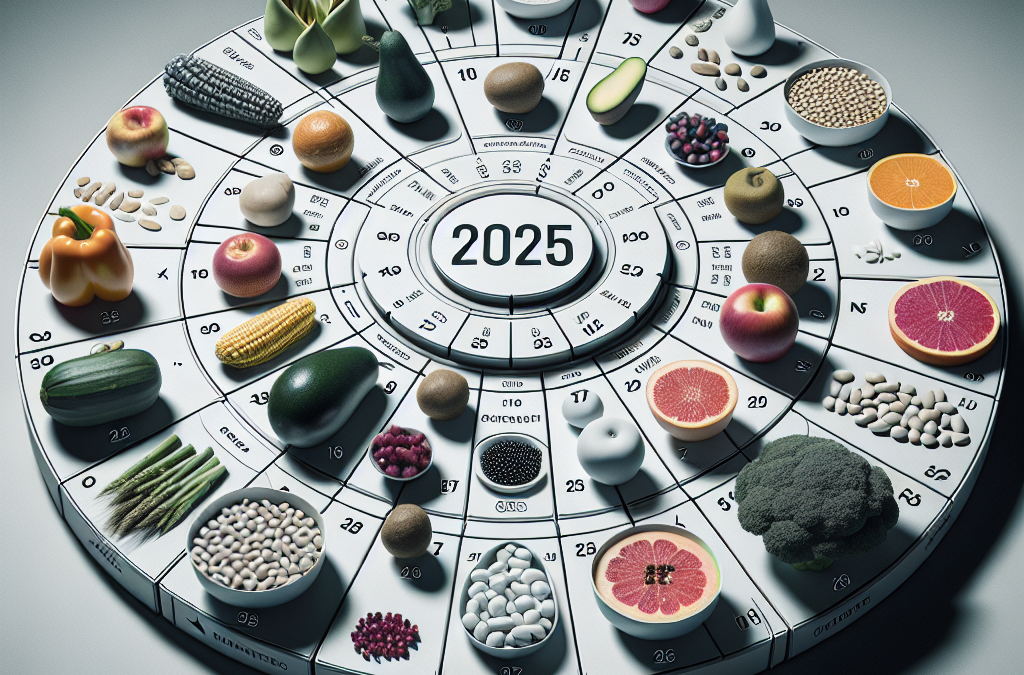
Building a balanced plate using whole foods involves including a variety of nutrient-dense foods from all food groups: vegetables, fruits, whole grains, proteins, and healthy fats. Aim to fill half your plate with vegetables and fruits, one-quarter with whole grains, and one-quarter with protein sources, ensuring a colorful and diverse selection to maximize nutrient intake.
Prioritizing whole foods over processed options is crucial, as they offer more vitamins, minerals, and fiber, contributing to better overall health. Incorporating a range of colors and food types not only enhances the visual appeal of your meal but also ensures you’re getting a wide array of nutrients that support bodily functions and prevent deficiencies. Common mistakes include relying too heavily on one food group or not varying your choices, which can lead to imbalances.
Many people overlook the importance of portion sizes and the balance of macronutrients on their plates. Understanding how to properly portion each food group can prevent overeating and help maintain a healthy weight. Additionally, being mindful of the preparation methods—steaming, grilling, or baking instead of frying—can further enhance the health benefits of your meals.

Understanding Whole Foods
Whole foods are foods that are minimally processed and free from artificial ingredients. They include fresh fruits, vegetables, whole grains, nuts, seeds, and lean proteins. Choosing whole foods over processed ones is essential for overall health, as they are rich in nutrients and free from added sugars, unhealthy fats, and preservatives.
When constructing a balanced plate, it’s important to understand the benefits of each food group. For instance, vegetables and fruits provide essential vitamins, minerals, and fiber that help maintain digestive health and reduce the risk of chronic diseases. Whole grains offer energy and support heart health, while proteins are crucial for muscle repair and growth.
Prioritizing whole foods means making conscious choices about what you eat. Start by reading labels, shopping the perimeter of grocery stores where whole foods are typically located, and planning meals around seasonal produce to maximize freshness and flavor.
Key Components of a Balanced Plate
A balanced plate consists of a variety of food groups that provide the necessary nutrients for optimal health. The ideal composition includes:
- Vegetables and Fruits: Fill half your plate with a mix of colorful vegetables and fruits. This ensures a diverse intake of vitamins, minerals, and antioxidants.
- Whole Grains: One-quarter of your plate should consist of whole grains like brown rice, quinoa, or whole grain bread, which provide fiber and sustained energy.
- Proteins: The remaining quarter should be dedicated to lean protein sources such as chicken, fish, beans, or tofu to support muscle health and overall body functions.
- Healthy Fats: Incorporate healthy fats from sources like avocados, nuts, or olive oil to enhance nutrient absorption and support heart health.
Understanding the role of each component helps you make informed choices about your meals. For example, the fiber in whole grains and vegetables aids digestion, while the protein helps with satiety and muscle maintenance. Prioritize whole, unprocessed options wherever possible to reap the full benefits of these food groups.
Practical Examples for Meal Building
Creating balanced meals can be simple and enjoyable. Here are a few practical examples:
Huge Discount on the Best Certified Organic Whole Food Supplement!
- Breakfast: A bowl of oatmeal topped with berries and a sprinkle of nuts provides whole grains, fruits, and healthy fats to start your day.
- Lunch: A salad with mixed greens, cherry tomatoes, cucumbers, grilled chicken, and a vinaigrette dressing offers a variety of nutrients and flavors.
- Dinner: A stir-fry with broccoli, bell peppers, brown rice, and tofu delivers a colorful array of vegetables, whole grains, and protein.
When building your meals, consider mixing different cuisines to keep things exciting. For instance, incorporate Mediterranean flavors with olive oil, feta, and chickpeas or Asian influences with soy sauce and sesame oil. This not only enhances taste but also encourages a wider variety of nutrients on your plate.
Common Mistakes to Avoid
Even with the best intentions, it’s easy to make mistakes when trying to build a balanced plate. Here are some common pitfalls:
- Neglecting Portion Sizes: Overloading on any single food group can lead to imbalances. Use measuring cups or your plate’s sections to guide portion sizes.
- Overlooking Nutrient Density: Not all whole foods are created equal. Focus on nutrient-dense options like leafy greens, legumes, and lean protein.
- Limiting Variety: Sticking to the same foods can lead to nutrient gaps. Rotate your food choices to include different colors and types of foods.
Being aware of these common mistakes allows you to make better choices and helps you stay committed to a balanced diet. Strive for variety and moderation to maximize the health benefits of your meals.
Further Reading
Authoritative Sources
- MedlinePlus
medlineplus.govConsumer-friendly medical and health information from the U.S. National Library of Medicine.
- National Institutes of Health
nih.govResearch-based health information and links to authoritative medical resources.
- Centers for Disease Control and Prevention
cdc.govOfficial public health guidance, prevention resources, and topic-specific recommendations.
- Mayo Clinic
mayoclinic.orgTrusted clinical guidance, symptom explainers, and treatment overviews.
- World Health Organization
who.intGlobal health guidance, fact sheets, and evidence-based public health information.
Frequently Asked Questions
What are whole foods?
Whole foods are foods that are minimally processed and free from artificial ingredients, including fresh fruits, vegetables, whole grains, nuts, and lean proteins.
How can I ensure my plate is balanced?
To ensure a balanced plate, fill half with vegetables and fruits, one-quarter with whole grains, and one-quarter with protein sources, while incorporating healthy fats.
What are some examples of whole grains?
Examples of whole grains include brown rice, quinoa, oats, barley, and whole grain bread or pasta.
Why is variety important in my diet?
Variety is important because different foods provide different nutrients. Eating a range of foods ensures you get a broad spectrum of vitamins and minerals.
Can I still enjoy treats while eating whole foods?
Yes, treats can be enjoyed in moderation. Focus on incorporating whole foods into your daily diet while allowing occasional indulgences.
Conclusion
Building a balanced plate using whole foods is essential for maintaining good health and preventing chronic diseases. By focusing on a diverse array of nutrient-dense foods, you can create meals that not only satisfy hunger but also nourish your body. Prioritize whole grains, lean proteins, colorful fruits, and vegetables while being mindful of portion sizes. Remember that balance is key, and it’s okay to enjoy treats occasionally as part of a healthy lifestyle. Start today by planning your next meal around these principles, and you’ll be on your way to a healthier you.
Huge Discount on the Best Certified Organic Whole Food Supplement!
Related Content
- How Whole Foods Support Healthy Blood Sugar Levels: Essential Foods and Their Impact on Glucose Control
- How Whole Foods Help Improve Overall Vitality: Key Nutrient Sources and Their Benefits
- How Whole Foods Support Sustainable Weight Loss: Key Strategies and Effective Choices
- Harnessing Nature’s Power: Why Whole Foods Improve Nutrient Absorption
- Why Whole Foods Help Control Hunger Hormones: Key Nutrients and Their Impact on Satiety