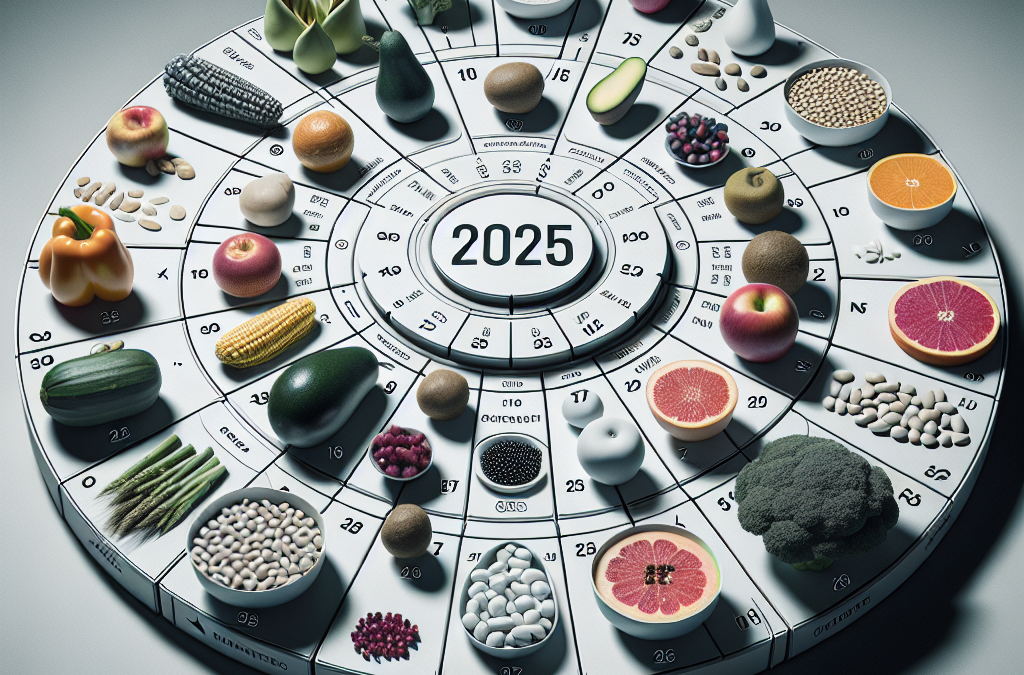
Whole foods can significantly lower cholesterol levels naturally by incorporating specific ingredients such as oats, nuts, fatty fish, and legumes into your diet. These foods contain soluble fiber, healthy fats, and antioxidants that work together to reduce LDL cholesterol and improve overall heart health.
Understanding the specific components of whole foods that contribute to lower cholesterol levels is essential. Foods high in soluble fiber, such as oats and beans, can help block the absorption of cholesterol in the bloodstream. Meanwhile, healthy fats from sources like avocados and fish can replace unhealthy saturated fats, further aiding in cholesterol management. It’s crucial to prioritize these food choices over processed options that can elevate cholesterol levels.
Many people make the mistake of overlooking the importance of meal planning when trying to lower cholesterol. Simply adding a few healthy foods without a structured approach often leads to inconsistent dietary habits. It’s important to create a balanced meal plan that incorporates a variety of whole foods rich in nutrients to achieve the best results. Focus on gradual changes to your diet to ensure sustainability and effectiveness in lowering cholesterol levels.
The Role of Soluble Fiber in Lowering Cholesterol
Soluble fiber plays a crucial role in lowering cholesterol levels by binding to cholesterol in the digestive system. Foods like oats, barley, and beans are rich in this type of fiber. When consumed, soluble fiber forms a gel-like substance in the gut, which helps to reduce the absorption of cholesterol into the bloodstream.
Incorporating these fiber-rich foods into your daily diet can lead to significant reductions in LDL cholesterol levels. For instance, a bowl of oatmeal in the morning not only serves as a filling breakfast but also provides the soluble fiber necessary to promote heart health. However, it’s important to remember that increasing fiber intake should be done gradually to avoid digestive discomfort.
Many individuals underestimate the importance of consistent fiber intake. While adding fiber-rich foods can help, it’s essential to maintain a balanced diet that includes a variety of fiber sources. Aim for at least 25-30 grams of fiber per day, and consider incorporating different types of soluble fiber to maximize benefits.
Healthy Fats and Their Impact on Heart Health
Healthy fats, particularly omega-3 fatty acids found in fatty fish like salmon and sardines, can significantly improve heart health. These fats help reduce inflammation and lower triglyceride levels, which are crucial for maintaining healthy cholesterol levels.
Incorporating sources of healthy fats into your meals can replace harmful saturated fats and trans fats commonly found in processed foods. For example, using olive oil for cooking instead of butter can contribute to better cholesterol levels. However, moderation is key, as fats are calorie-dense and should be consumed in appropriate portions.
A common mistake is to eliminate all fats from the diet in an attempt to lower cholesterol. This can lead to nutrient deficiencies and may not effectively improve heart health. Instead, focus on including healthy fats while limiting unhealthy ones, and prioritize whole food sources over processed options.
The Benefits of Plant-Based Foods
Plant-based foods are rich in antioxidants, vitamins, and minerals that support heart health. Foods like fruits, vegetables, nuts, and whole grains are not only nutritious but also contribute to lower cholesterol levels. They contain phytosterols, which help block the absorption of cholesterol in the intestines.
Incorporating a variety of colorful fruits and vegetables into your meals can provide essential nutrients while also enhancing flavor. For instance, adding berries to your morning yogurt or including leafy greens in salads can be both delicious and beneficial for heart health. However, it’s important to focus on whole, unprocessed plant foods to maximize their health benefits.
Huge Discount on the Best Certified Organic Whole Food Supplement!
Many people make the mistake of assuming that all plant-based foods are healthy. Processed plant-based products can often be high in sugars or unhealthy fats. Always opt for whole foods and read labels carefully to ensure you are making heart-healthy choices.
Practical Strategies for Incorporating Whole Foods
Incorporating whole foods into your diet requires planning and commitment. Start by gradually replacing processed foods with whole food alternatives. For example, swap white bread for whole grain options or choose brown rice instead of white rice.
Meal prepping can also be a valuable strategy. Preparing meals in advance with whole food ingredients can help you stay on track and avoid the temptation of unhealthy options. Consider dedicating a day each week to plan and prepare your meals to ensure you have healthy options readily available.
One common pitfall is falling back into old eating habits when faced with busy schedules. To combat this, keep healthy snacks on hand, such as nuts or cut-up vegetables, to avoid reaching for unhealthy alternatives. Prioritize planning and preparation to maintain your progress in lowering cholesterol.
Further Reading
Authoritative Sources
- Ready.gov
ready.govOfficial U.S. preparedness guidance, checklists, and planning resources for households and emergencies.
- FEMA
fema.govFederal emergency management resources, disaster planning information, and recovery guidance.
- American Red Cross Emergency Preparedness
redcross.orgPractical emergency preparation steps, supply lists, and safety guidance for families.
- National Weather Service
weather.govOfficial forecasts, hazard alerts, and weather safety information.
- CDC Emergency Preparedness and Response
cdc.govPublic health guidance for emergencies, disasters, and recovery situations.
Frequently Asked Questions
What types of whole foods are best for lowering cholesterol?
Foods high in soluble fiber, healthy fats, and antioxidants, such as oats, nuts, fatty fish, and legumes, are best for lowering cholesterol.
How quickly can I see results from changing my diet?
Many people can see improvements in cholesterol levels within a few weeks to a few months after making dietary changes.
Can I still eat meat while trying to lower cholesterol?
Yes, but choose lean cuts and limit red and processed meats. Focus on incorporating more plant-based proteins.
Is it necessary to avoid all fats in my diet?
No, healthy fats are important. Focus on incorporating sources of unsaturated fats while limiting saturated and trans fats.
What should I prioritize when planning my meals?
Prioritize whole foods rich in fiber, healthy fats, and antioxidants. Aim for variety to ensure a balanced nutrient intake.
Conclusion
Lowering cholesterol naturally through whole foods is a practical and effective strategy for improving heart health. Focus on incorporating soluble fiber, healthy fats, and a variety of plant-based foods into your diet. Meal planning and preparation can enhance your success, making it easier to stick to healthy choices. Remember, consistency is key, and gradual changes often yield the best long-term results. Prioritize your health by making informed dietary decisions and enjoy the benefits of a heart-healthy lifestyle.
Huge Discount on the Best Certified Organic Whole Food Supplement!
Related Content
- Discovering the Secret: Why Whole Foods Improve Energy Without Caffeine
- The Real Reason Whole Foods Support Weight Management: Key Nutritional Benefits and Effective Choices
- Energize Your Life with The Best Whole Foods for Sustainable Energy
- How Whole Foods Support Healthy Cholesterol Levels: Top Foods and Nutritional Strategies
- Empower Your Wellness: The Role of Whole Foods in Supporting Natural Detox Pathways