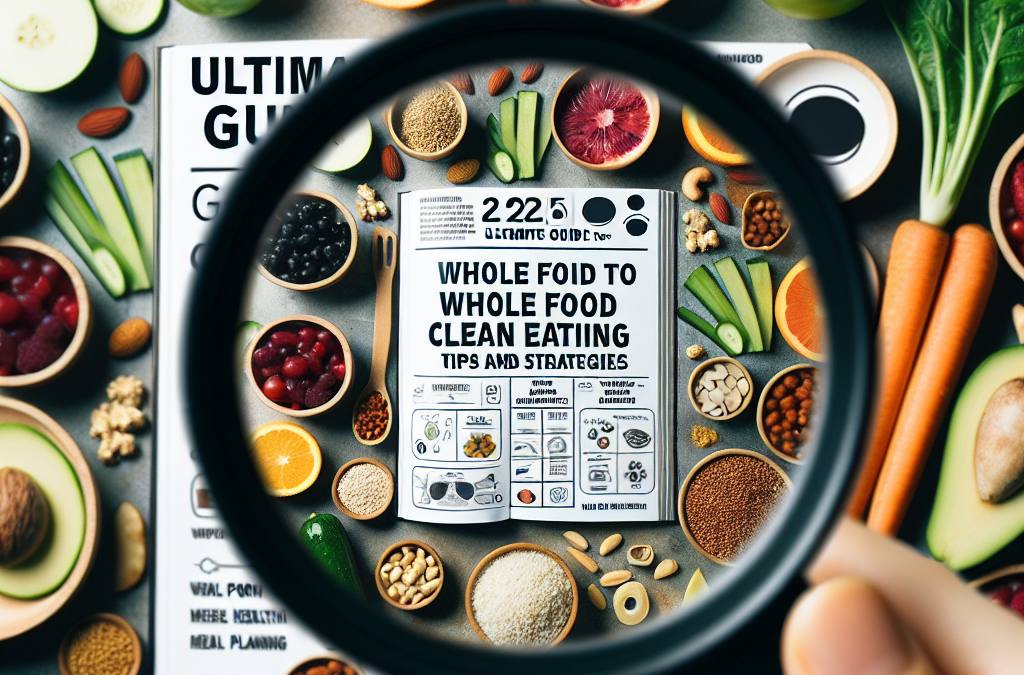
Whole foods can significantly reduce inflammation after 50 by including nutrient-dense options like leafy greens, berries, fatty fish, and nuts. These foods are rich in antioxidants, omega-3 fatty acids, and fiber, which collectively combat inflammation and promote overall health.
Understanding the specific foods that can combat inflammation is essential for older adults. The body undergoes changes with age, leading to increased inflammation and associated health risks. Prioritizing whole foods can help mitigate these effects. For instance, foods high in omega-3 fatty acids, such as salmon and walnuts, have been shown to reduce inflammatory markers in the body. Likewise, fruits and vegetables rich in antioxidants, like blueberries and spinach, play a crucial role in neutralizing free radicals and reducing inflammation.
A common mistake is relying solely on processed foods or supplements, which may not provide the same health benefits as whole foods. Many people underestimate the power of natural, unprocessed options. It’s vital to prioritize whole, minimally processed foods, as they contain a complex array of nutrients that work synergistically to promote health. Furthermore, hydration and lifestyle factors such as regular exercise can amplify the anti-inflammatory effects of a whole food diet.
Key Whole Foods for Reducing Inflammation
Several whole foods are particularly effective in reducing inflammation. Leafy greens, for example, are packed with vitamins and minerals that promote health and combat inflammation. Foods like kale and spinach are high in vitamin K and antioxidants, which can help lower inflammation levels.
Fatty fish such as salmon and mackerel are also excellent choices, as they contain high levels of omega-3 fatty acids. These healthy fats are known for their anti-inflammatory properties. Nuts, particularly walnuts and almonds, provide healthy fats, fiber, and protein, making them a great snack option that can also reduce inflammation.
When incorporating these foods, consider meal prep strategies that make it easier to include them in your diet. For instance, preparing salads with a variety of greens and adding grilled salmon can create a nutritious meal. Additionally, smoothies made with spinach, berries, and a scoop of nut butter can be a quick, tasty way to boost your intake of anti-inflammatory foods.
Understanding Inflammation and Aging
Inflammation is a natural response of the immune system, but chronic inflammation can lead to various health problems, including arthritis, heart disease, and diabetes. As people age, the body may experience increased levels of inflammation due to factors such as oxidative stress and the accumulation of damaged cells.
Recognizing the signs of chronic inflammation is crucial. Symptoms may include persistent pain, fatigue, and digestive issues. Understanding these signs can help individuals take proactive steps towards incorporating anti-inflammatory foods into their diet. It’s also vital to acknowledge that lifestyle factors such as stress and lack of physical activity can exacerbate inflammation.
Prioritizing a balanced diet rich in whole foods can mitigate these risks. Incorporating a variety of colors in fruits and vegetables ensures a broad spectrum of nutrients that work together to reduce inflammation. For example, incorporating orange and yellow foods like carrots and sweet potatoes can add more antioxidants to your meals.
Incorporating Anti-Inflammatory Foods
To effectively incorporate anti-inflammatory foods into your daily routine, start by planning meals around whole ingredients. A practical approach is to prepare a weekly menu that emphasizes whole foods. Begin with a base of leafy greens, add a protein source such as grilled chicken or beans, and include a variety of colorful vegetables.
Experimenting with spices can also enhance the anti-inflammatory properties of meals. Turmeric, for instance, contains curcumin, a compound known for its potent anti-inflammatory effects. Adding spices to soups, stews, and marinades can elevate both flavor and health benefits.
Additionally, consider cooking methods that preserve the nutrients in food. Steaming vegetables or grilling fish can help retain their beneficial properties, while frying may diminish their nutritional value. Prioritize cooking methods that align with your health goals.
Huge Discount on the Best Certified Organic Whole Food Supplement!
Common Mistakes to Avoid
One common mistake when transitioning to a whole food diet is failing to read labels carefully. Many products marketed as healthy can still contain high levels of added sugars, preservatives, and unhealthy fats. It’s essential to choose products that are as close to their natural state as possible.
Another pitfall is over-relying on supplements instead of whole foods. While supplements can play a role in filling nutrient gaps, they cannot replicate the complex interplay of nutrients found in whole foods. Focusing on fresh, whole options should be the primary strategy for reducing inflammation.
Lastly, neglecting to hydrate adequately can hinder the body’s ability to process nutrients efficiently. Water plays a vital role in overall health and can aid in reducing inflammation. Make it a habit to drink plenty of water throughout the day, especially when consuming high-fiber foods.
Further Reading
Authoritative Sources
- Dietary Approaches to Stop Hypertension
ncbi.nlm.nih.govThis resource provides comprehensive insights into dietary strategies that support overall health and reduce inflammation
- The Anti-Inflammatory Diet
health.harvard.eduA guide from Harvard Health that outlines effective dietary choices to minimize inflammation
- Nutrition and Inflammation
ncbi.nlm.nih.govThis article discusses the relationship between nutrition and inflammation, emphasizing the role of diet in managing inflammatory conditions
Frequently Asked Questions
What are the best foods to reduce inflammation after 50?
Foods rich in omega-3 fatty acids, antioxidants, and fiber like fatty fish, leafy greens, nuts, and berries are among the best for reducing inflammation.
How does inflammation affect aging?
Chronic inflammation can accelerate aging processes and contribute to age-related diseases such as arthritis, heart disease, and diabetes.
Can supplements replace whole foods for reducing inflammation?
While supplements can help, they cannot replicate the complex nutrient profile of whole foods, which work synergistically to reduce inflammation.
How much water should I drink to help reduce inflammation?
It is generally recommended to drink at least 8-10 cups of water daily, but individual needs may vary based on activity level and climate.
What lifestyle changes can help reduce inflammation?
In addition to diet, regular exercise, stress management, and adequate sleep are crucial lifestyle changes that can help reduce inflammation.
Conclusion
Reducing inflammation after 50 is vital for maintaining health and quality of life. By prioritizing whole foods rich in nutrients, you can significantly impact your inflammation levels and overall well-being. Focus on incorporating a variety of anti-inflammatory foods into your diet, stay hydrated, and avoid common pitfalls like reliance on processed foods. Remember that small, consistent changes can lead to substantial health improvements over time, so start today by making mindful choices in your meals.
Huge Discount on the Best Certified Organic Whole Food Supplement!
Related Content
- How Whole Foods Help Improve Overall Vitality: Key Nutrients and Dietary Strategies
- Whole Foods for Enhancing Skin Elasticity and Firmness
- Nourishing Your Microbiome: How Whole Foods Help Balance Gut Bacteria for Optimal Health
- How Whole Foods Help Manage Blood Pressure Naturally: Effective Dietary Choices and Nutritional Insights
- The Essential Guide to How Whole Foods Support Sustainable Weight Loss