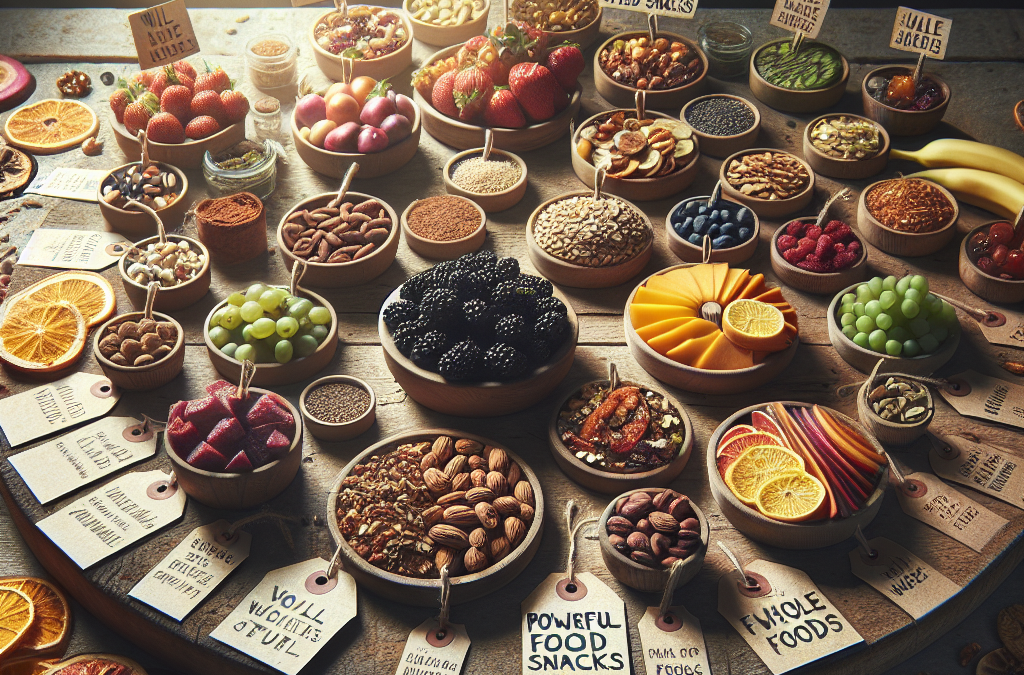
Whole foods play a crucial role in reducing processed sugar intake by providing natural alternatives that are nutrient-dense and low in added sugars. Incorporating fruits, vegetables, whole grains, and legumes into your diet can help satisfy sweet cravings while promoting overall health and well-being.
In the modern diet, processed sugars are prevalent, often hidden in packaged foods and beverages. Whole foods, which are minimally processed and devoid of artificial ingredients, offer a healthier choice. Transitioning to whole foods not only helps reduce sugar consumption but also enhances nutrient intake, supporting better overall health. Recognizing the sources of hidden sugars is essential for making informed dietary choices.
Identifying Processed Sugars in Your Diet
Processed sugars can be found in many everyday foods, often labeled under various names such as high fructose corn syrup, cane sugar, or agave nectar. Understanding these labels is crucial for reducing sugar intake. A common mistake is assuming that all sugars are the same; natural sugars in fruits differ significantly from added sugars found in processed snacks.

To effectively identify these sugars, start by reading ingredient lists on food packaging. Look for terms that indicate added sugars and prioritize choosing whole foods with minimal ingredients. This awareness can lead to better choices and a significant reduction in sugar consumption.
Whole Food Alternatives to Processed Sugars
Whole foods provide a variety of natural sweetness options that can satisfy cravings without the negative effects of processed sugars. Fruits, for example, offer natural sugars along with fiber, vitamins, and minerals. Berries, apples, and bananas are excellent choices that not only curb sweet cravings but also enhance nutritional intake.
Incorporating alternatives like dates, honey, or maple syrup in moderation can also be beneficial. These options provide sweetness while contributing additional nutrients. Prioritize fresh, seasonal produce and whole grains to create balanced meals that naturally limit processed sugar intake.
Practical Strategies for Reducing Sugar Intake
Implementing practical strategies can greatly aid in reducing processed sugar intake. Meal planning is an effective approach; by preparing meals ahead of time using whole foods, you can avoid the temptation of sugary snacks. Additionally, keeping healthy snacks on hand, such as nuts or yogurt, can help manage cravings.
Educating yourself on recipes that substitute processed ingredients for whole food options can also be beneficial. For instance, using mashed bananas in baking can replace sugar and add moisture. Focus on gradual changes; reducing sugar intake can take time, but with consistent effort, it leads to lasting habits.
Further Reading
Authoritative Sources
- ChooseMyPlate.gov
choosemyplate.govThis resource offers guidance on balanced eating and incorporating whole foods into daily diets Huge Discount on the Best Certified Organic Whole Food Supplement!  
- EatRight.org
eatright.orgA comprehensive source for nutrition information, including tips for reducing processed sugar intake
- CDC Nutrition
cdc.govThis site provides insights into the impact of diet on public health, including sugar consumption
Frequently Asked Questions
What are processed sugars?
Processed sugars are added sugars found in many foods and beverages, often listed under names like high fructose corn syrup or cane sugar.
Why should I reduce processed sugar intake?
Reducing processed sugar intake can lower the risk of chronic diseases such as obesity, diabetes, and heart disease while improving overall health.
How can whole foods help with sugar cravings?
Whole foods like fruits and vegetables provide natural sweetness and essential nutrients, making them healthier alternatives to sugary snacks.
Can I use natural sweeteners instead of processed sugars?
Yes, natural sweeteners like honey and maple syrup can be used in moderation as healthier alternatives to processed sugars.
What are some tips for transitioning to whole foods?
Start by meal planning, reading ingredient labels, and gradually replacing processed foods with whole food options to ease the transition.
Conclusion
Reducing processed sugar intake is a vital step toward better health, and whole foods offer practical solutions. By identifying hidden sugars, opting for natural alternatives, and implementing strategic changes in your diet, you can achieve a healthier lifestyle. Start small, be patient, and prioritize whole foods to effectively manage sugar cravings and enhance your overall well-being.
Huge Discount on the Best Certified Organic Whole Food Supplement!
Related Content
- Unlocking the Connection: The Real Reason Whole Foods Support Weight Management Effectively
- How Whole Foods Support Healthy Digestion After 50: Key Foods and Their Impact on Gut Health
- The Best Whole Foods for Natural Beauty: Inside Out Wellness
- The Ultimate Guide to the Nutritional Value of Fruits in 2025: 10 Powerful Tips
- The Surprising Role of Whole Foods in Easing Bloating: A Practical Guide