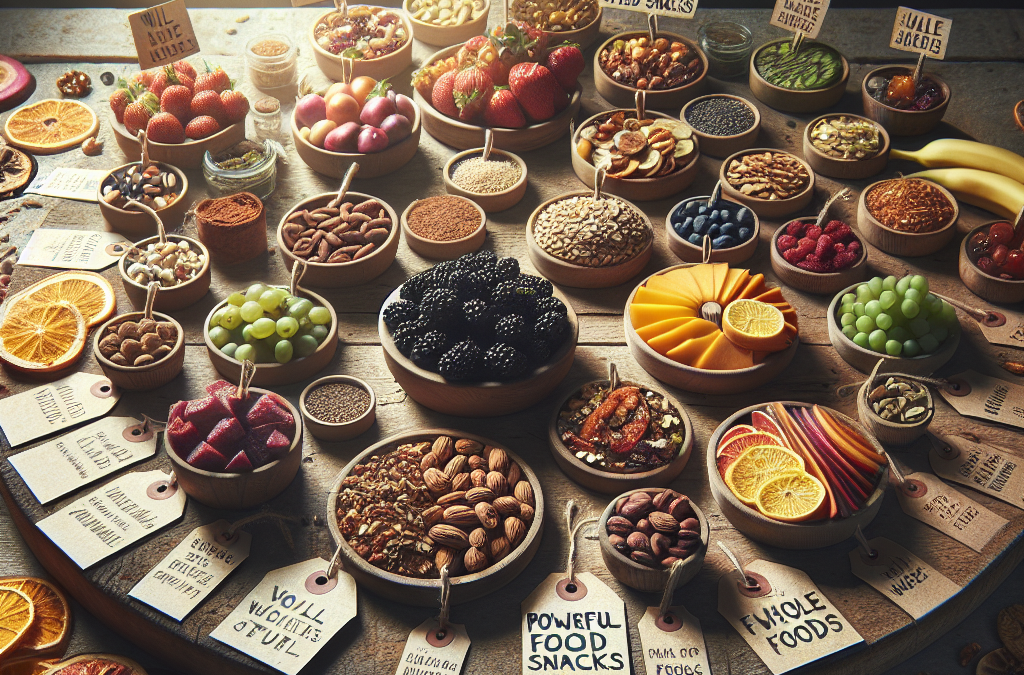
Whole foods can significantly enhance your well-being by providing essential nutrients that boost energy and improve mood. Foods rich in vitamins, minerals, and antioxidants, such as fruits, vegetables, whole grains, and lean proteins, support mental clarity and physical vitality, enabling you to feel better quickly.
To maximize the benefits of whole foods, focus on incorporating a variety of colorful fruits and vegetables into your diet. Each color represents different phytonutrients that contribute to overall health. Avoid processed foods, which can lead to inflammation and energy crashes, detracting from your ability to feel your best.
Nutritional Powerhouses: Fruits and Vegetables
Fruits and vegetables are essential components of whole foods that provide a wealth of vitamins and antioxidants. These nutrients help combat oxidative stress and inflammation, which can negatively impact mood and energy levels. Incorporating a diverse array of these foods into your meals can lead to immediate improvements in how you feel.

To optimize your intake, aim for at least five servings of fruits and vegetables daily, focusing on those that are in season for the best flavor and nutrient density. For example, berries are high in antioxidants, while leafy greens provide essential vitamins that support brain health. A common mistake is relying on juice instead of whole fruits, which can strip away vital fiber.
Whole Grains: Sustained Energy Sources
Whole grains are another critical food group that can help you feel better fast. Unlike refined grains, whole grains retain their bran, germ, and endosperm, making them rich in fiber and essential nutrients. This fiber helps regulate blood sugar levels, providing steady energy throughout the day.
Incorporating whole grains like quinoa, brown rice, and oats into your diet can enhance satiety and prevent energy dips. Be cautious of overconsumption, as even healthy grains can lead to weight gain if eaten in excessive amounts. Balancing your intake with proteins and healthy fats can also improve your overall energy levels.
Lean Proteins: Building Blocks for Wellness
Lean proteins are vital for maintaining muscle mass and supporting metabolic functions. Foods such as chicken, fish, legumes, and tofu not only provide the necessary amino acids for muscle repair but also play a role in neurotransmitter production, impacting mood and cognitive function.
When selecting proteins, prioritize sources that are low in saturated fats. A common pitfall is consuming processed meats, which can lead to negative health outcomes. Focus on cooking methods like grilling or baking to retain nutrients and avoid excess fats.
Huge Discount on the Best Certified Organic Whole Food Supplement!
Healthy Fats: Essential for Brain Function
Healthy fats, particularly omega-3 fatty acids, are crucial for brain health and mood regulation. Sources like avocados, nuts, seeds, and fatty fish can help reduce inflammation and improve cognitive function, leading to a more positive outlook.
Incorporating these fats into your meals should be done mindfully, as fats are calorie-dense. Aim for moderation, ensuring that they complement your meals rather than dominate them. A common mistake is disregarding portion sizes, which can lead to unintended weight gain.
Further Reading
Authoritative Sources
- MedlinePlus
medlineplus.govConsumer-friendly medical and health information from the U.S. National Library of Medicine.
- National Institutes of Health
nih.govResearch-based health information and links to authoritative medical resources.
- Centers for Disease Control and Prevention
cdc.govOfficial public health guidance, prevention resources, and topic-specific recommendations.
- Mayo Clinic
mayoclinic.orgTrusted clinical guidance, symptom explainers, and treatment overviews.
- World Health Organization
who.intGlobal health guidance, fact sheets, and evidence-based public health information.
Frequently Asked Questions
What are whole foods?
Whole foods are minimally processed foods that retain their natural nutrients. Examples include fruits, vegetables, whole grains, nuts, and lean meats.
How do whole foods improve mood?
Whole foods provide essential nutrients that support brain health and neurotransmitter function, which can enhance mood and cognitive performance.
Can I feel better by changing my diet quickly?
Yes, incorporating whole foods can lead to immediate improvements in energy levels and mood, but long-term changes yield the best results.
Are processed foods harmful?
Processed foods can lead to inflammation and energy crashes, negatively impacting your overall well-being and mood.
How much fruit and vegetables should I eat?
Aim for at least five servings of fruits and vegetables daily to maximize health benefits and improve mood.
Conclusion
Incorporating whole foods into your diet can lead to rapid improvements in how you feel, both physically and mentally. Prioritize a balanced intake of fruits, vegetables, whole grains, lean proteins, and healthy fats to maximize your well-being. By making mindful choices and avoiding processed foods, you set the stage for a healthier, more vibrant life.
Huge Discount on the Best Certified Organic Whole Food Supplement!
Related Content
- Revive Your Energy: Exploring How Whole Foods Help Improve Overall Vitality
- Uncovering Nature’s Best: Whole Foods That Naturally Combat Aging
- The Real Impact of Whole Foods on Metabolic Health: Understanding the Benefits and Pitfalls
- The Surprising Impact of Whole Foods on Appetite Regulation
- Elevate Your Cognitive Function: Why Whole Foods Improve Mental Clarity