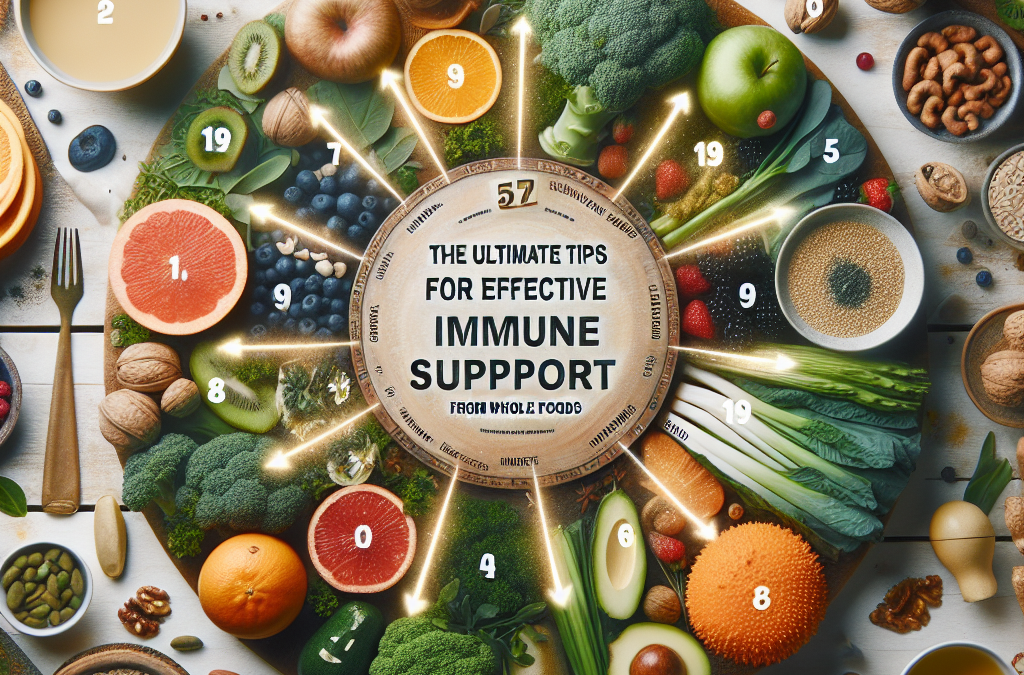
Whole foods can significantly enhance mood by providing essential nutrients that support brain function and emotional health. Foods rich in omega-3 fatty acids, antioxidants, vitamins, and minerals can help regulate neurotransmitters, reduce inflammation, and promote a positive mood.
Understanding the specific foods and nutrients that influence mood is crucial for anyone looking to enhance their emotional health naturally. For instance, omega-3 fatty acids found in fish, walnuts, and flaxseeds are linked to lower rates of depression. Similarly, antioxidants in fruits and vegetables combat oxidative stress that can negatively impact brain health. By focusing on a balanced diet rich in these nutrients, individuals can cultivate a more positive mental state.
A common mistake people make is relying solely on supplements to improve mood, neglecting the benefits of whole foods. While supplements can play a role, they often lack the synergistic effects of nutrients found in whole foods. Prioritizing a diet that emphasizes variety and balance ensures that individuals receive the full spectrum of health benefits needed for optimal brain function.
The Role of Omega-3 Fatty Acids in Mood Enhancement
Omega-3 fatty acids are essential fats that play a pivotal role in brain health and mood regulation. Studies have shown that these fatty acids can decrease symptoms of depression and anxiety, making them crucial for anyone looking to improve their mood naturally. Foods rich in omega-3s, such as fatty fish (salmon, mackerel), walnuts, and flaxseeds, not only support cognitive function but also promote emotional well-being.
Incorporating omega-3-rich foods into your diet can be straightforward. For instance, aim to include fish in your meals at least twice a week or add a tablespoon of ground flaxseed to smoothies or oatmeal. A common pitfall is relying solely on omega-3 supplements without considering dietary sources. Whole foods provide additional nutrients that work synergistically to enhance their effects.
When focusing on omega-3s, consider balancing them with omega-6 fatty acids found in vegetable oils. An excess of omega-6 can lead to inflammation, counteracting the benefits of omega-3s. Strive for a balanced intake by minimizing processed foods high in omega-6 and emphasizing whole foods.
Antioxidants and Their Impact on Mental Health
Antioxidants play a vital role in protecting the brain from oxidative stress, which can negatively affect mood and cognitive function. Foods rich in antioxidants, such as berries, dark chocolate, and green leafy vegetables, can help combat inflammation and support overall brain health.
To maximize the benefits of antioxidants, consider incorporating a rainbow of fruits and vegetables into your diet. Each color represents different phytochemicals that contribute to health in unique ways. A common mistake is consuming the same types of fruits and vegetables, which may lead to nutrient deficiencies.
Prioritize seasonal and locally sourced produce, as they often contain higher levels of antioxidants. Additionally, consider how cooking methods can affect antioxidant levels; for example, steaming vegetables preserves more nutrients than boiling. Aim to include a variety of antioxidant-rich foods daily to enhance your mood naturally.
The Importance of Vitamins and Minerals for Emotional Balance
Vitamins and minerals are essential for neurotransmitter function and hormonal balance, both of which are critical for mood regulation. Key nutrients include B vitamins (such as B6, B12, and folate), vitamin D, magnesium, and zinc. Deficiencies in these vitamins can lead to mood disorders and cognitive decline.
To ensure adequate intake, focus on whole food sources rich in these vitamins. For instance, whole grains, legumes, leafy greens, and nuts are excellent sources of B vitamins, while fatty fish and fortified dairy products can provide vitamin D. A common misconception is that a standard diet meets all nutritional needs, but many individuals may fall short.
Regularly assess your diet to identify potential gaps. For example, consider your sun exposure for vitamin D synthesis or your intake of leafy greens for folate. If necessary, consult with a healthcare provider for personalized recommendations to support your mental health.
Huge Discount on the Best Certified Organic Whole Food Supplement!
Practical Tips for Incorporating Whole Foods
Incorporating whole foods into your diet can enhance your mood and overall health. Start by planning meals that prioritize whole ingredients, such as fruits, vegetables, whole grains, lean proteins, and healthy fats. Cooking at home allows for greater control over ingredients, reducing reliance on processed foods.
Meal prepping can also help maintain a balanced diet. Prepare a variety of whole food snacks, such as cut-up vegetables, fruit, and nuts, to have on hand for quick access. A common mistake is not having healthy options readily available, leading to unhealthy choices.
Consider joining a local community garden or farmers’ market to access fresh produce and support local agriculture. This not only provides quality food but also fosters a sense of community and connection to the food you consume.
Further Reading
Authoritative Sources
- Nutritional Psychiatry: Your Brain on Food
ncbi.nlm.nih.govThis article explores the connection between diet and mental health, emphasizing the importance of whole foods
- What to Eat to Help Your Mood
health.harvard.eduHarvard Health discusses specific foods that can enhance mood and well-being
- The Foods That Boost Your Mood
psychologytoday.comThis source outlines various foods that can positively influence mental health
Frequently Asked Questions
What are whole foods?
Whole foods are natural, unprocessed foods that are free from artificial additives and preservatives, including fruits, vegetables, whole grains, nuts, seeds, and lean proteins.
How do omega-3 fatty acids improve mood?
Omega-3 fatty acids support brain health by reducing inflammation and regulating neurotransmitters, which can help alleviate symptoms of depression and anxiety.
Can a balanced diet really affect my mood?
Yes, a balanced diet rich in whole foods provides essential nutrients that support brain function, which is crucial for maintaining emotional well-being.
What are some quick whole food snacks?
Quick whole food snacks include cut-up fruits and vegetables, nuts, seeds, yogurt, and whole grain crackers.
How can I incorporate more whole foods into my diet?
Start by planning meals around whole ingredients, cooking at home, and having healthy snacks readily available to avoid processed options.
Conclusion
Incorporating whole foods into your diet is a powerful way to enhance mood naturally. Prioritize foods rich in omega-3 fatty acids, antioxidants, vitamins, and minerals to support brain health and emotional well-being. Meal planning and preparation can help you maintain a balanced diet, while also ensuring that healthy options are always accessible. By making mindful choices about the foods you eat, you can significantly improve your mental health and quality of life.
Huge Discount on the Best Certified Organic Whole Food Supplement!
Related Content
- Why Whole Foods Reduce Processed Food Cravings: Understanding Nutritional Balance and Satiety
- How Whole Foods Improve Digestion Quickly: Key Foods and Methods for Rapid Relief
- How Whole Foods Help You Feel Better Fast: Foods That Boost Mood and Energy
- Elevate Your Cardiovascular Health with The Top Whole Foods for Heart Health Support
- Revive Your Energy: Exploring How Whole Foods Help Improve Overall Vitality