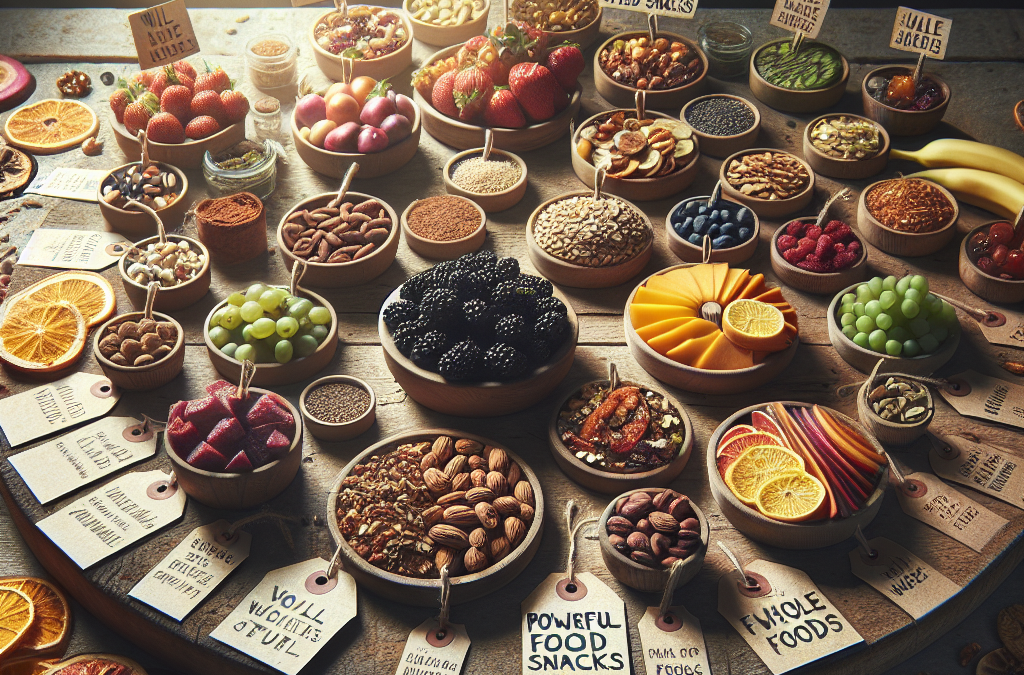
Whole foods can significantly reduce sugar cravings by providing essential nutrients, fiber, and healthy fats that stabilize blood sugar levels and promote satiety. By incorporating foods like fruits, vegetables, whole grains, and healthy fats into your diet, you can effectively manage cravings and support overall health.
Understanding the mechanisms behind sugar cravings is crucial. Many people experience cravings due to fluctuations in blood sugar levels, often exacerbated by processed foods high in refined sugars and low in nutrients. Whole foods, rich in fiber and complex carbohydrates, help maintain steady blood sugar levels, reducing the likelihood of sudden cravings. Additionally, these foods provide vitamins and minerals that support metabolic processes, making it easier for your body to regulate hunger signals.
Nutritional Components of Whole Foods
Whole foods are packed with essential nutrients that play a vital role in reducing sugar cravings. Foods such as fruits, vegetables, legumes, nuts, and whole grains are not only high in vitamins and minerals but also provide antioxidants that combat oxidative stress. These nutrients help maintain overall health and support bodily functions, which can mitigate cravings. When your body receives the nutrients it needs, the urge to seek out sugary snacks diminishes.

Moreover, consuming a variety of whole foods ensures that you are getting a well-rounded diet. This balance is essential because deficiencies in certain nutrients can lead to increased cravings for sugar as your body seeks quick sources of energy. Prioritizing a diverse range of whole foods can help prevent these nutrient gaps and support a stable mood and energy level.
The Role of Fiber in Cravings
Fiber is a crucial component of whole foods that significantly impacts sugar cravings. High-fiber foods, such as beans, lentils, fruits, and vegetables, slow down digestion and promote a feeling of fullness. This satiety is vital for curbing cravings, as it prevents sudden hunger pangs that can lead to reaching for sugary snacks.
Incorporating more fiber into your meals can be done easily. Start by adding legumes to salads, choosing whole grain options instead of refined grains, and snacking on fruits and vegetables. A high-fiber diet not only helps with cravings but also supports digestive health and stabilizes blood sugar levels, making it a practical choice for anyone looking to reduce sugar intake.
Healthy Fats and Sugar Cravings
Healthy fats, found in foods like avocados, nuts, seeds, and olive oil, also play a significant role in reducing sugar cravings. These fats provide a concentrated source of energy and help to slow the absorption of carbohydrates, leading to more stable blood sugar levels. When blood sugar levels are stable, the likelihood of experiencing cravings diminishes.
Incorporating healthy fats into your diet is simple. Consider adding avocado to your toast, snacking on nuts, or using olive oil in salad dressings. Remember, moderation is key, as fats are calorie-dense. Balancing healthy fats with other nutrient-rich foods will support your overall dietary goals.
Huge Discount on the Best Certified Organic Whole Food Supplement!
Practical Tips for Incorporating Whole Foods
To effectively reduce sugar cravings through whole foods, consider these practical tips: plan your meals ahead of time, focusing on whole food ingredients; keep healthy snacks on hand, such as fruits or nuts; and experiment with new recipes that highlight whole foods. Meal prepping can also help you avoid the temptation of processed snacks when you are hungry.
Additionally, staying hydrated is crucial, as thirst can often be mistaken for hunger. Drinking plenty of water throughout the day can reduce cravings and help you make better food choices. By integrating these practices into your routine, you can create a sustainable approach to managing sugar cravings.
Further Reading
Authoritative Sources
- Ready.gov
ready.govOfficial U.S. preparedness guidance, checklists, and planning resources for households and emergencies.
- FEMA
fema.govFederal emergency management resources, disaster planning information, and recovery guidance.
- American Red Cross Emergency Preparedness
redcross.orgPractical emergency preparation steps, supply lists, and safety guidance for families.
- National Weather Service
weather.govOfficial forecasts, hazard alerts, and weather safety information.
- CDC Emergency Preparedness and Response
cdc.govPublic health guidance for emergencies, disasters, and recovery situations.
Frequently Asked Questions
What types of whole foods help reduce sugar cravings?
Fruits, vegetables, whole grains, legumes, nuts, and seeds are all excellent choices that can help reduce sugar cravings.
How does fiber help with sugar cravings?
Fiber slows digestion and promotes fullness, which helps prevent sudden hunger and cravings for sugary snacks.
Can healthy fats reduce sugar cravings?
Yes, healthy fats help stabilize blood sugar levels and promote satiety, reducing the likelihood of sugar cravings.
How can I incorporate more whole foods into my diet?
Plan meals ahead, keep healthy snacks available, and experiment with new recipes that focus on whole food ingredients.
Why is hydration important for managing cravings?
Staying hydrated can prevent thirst from being mistaken for hunger, reducing the likelihood of cravings for sugary foods.
Conclusion
Reducing sugar cravings through whole foods is a practical approach that can enhance your overall health. By focusing on nutrient-rich foods, increasing fiber intake, and incorporating healthy fats, you can stabilize blood sugar levels and promote satiety. Prioritize whole foods in your diet and adopt strategies to make them a staple in your meals. With these changes, you can effectively manage cravings and support your wellness journey.
Huge Discount on the Best Certified Organic Whole Food Supplement!
Related Content
- Discover the Top 10 Natural Whole Food Supplements for Optimal Health in 2025
- Uncovering The Whole Food Diet Benefits Most People Ignore for Enhanced Wellbeing
- The Connection Between Whole Foods and Reduced Cancer Risk
- Unlocking the Power of Nutrition: How Whole Foods Help Reduce Inflammation After 50
- Harnessing the Power of Whole Foods: Discover Why Whole Foods Improve Focus and Productivity