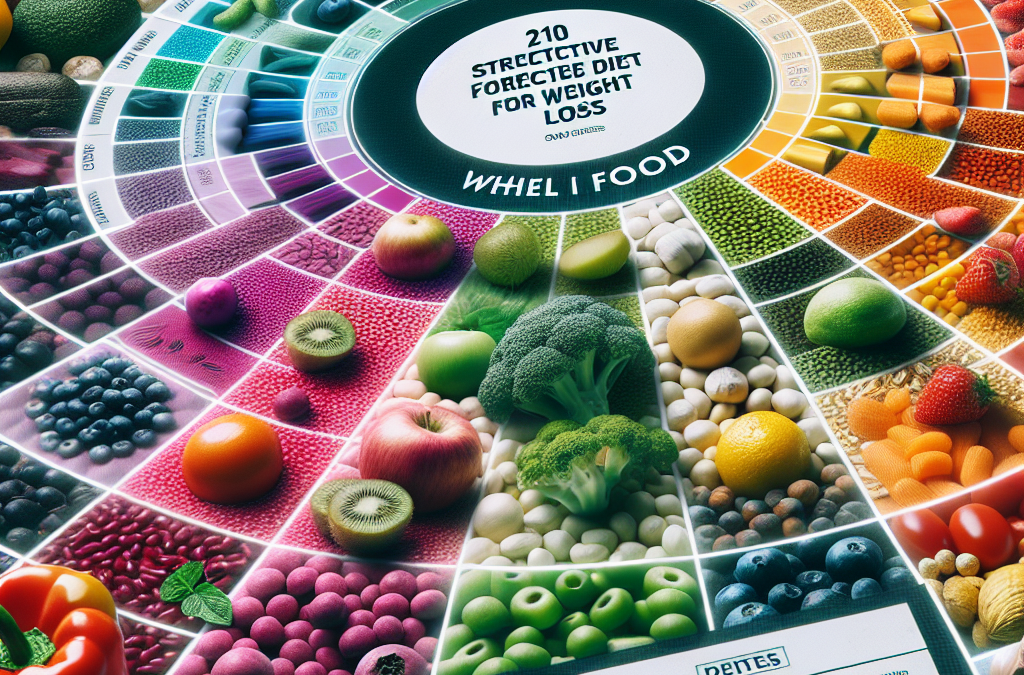
Whole foods can effectively reduce sugar cravings by providing essential nutrients, stabilizing blood sugar levels, and promoting satiety. Foods rich in fiber, healthy fats, and protein, such as fruits, vegetables, nuts, and whole grains, help keep hunger at bay and eliminate the need for sugary snacks.
Understanding the mechanisms behind sugar cravings is crucial. When blood sugar levels spike and crash, cravings for sugary foods often follow. Whole foods, particularly those with a low glycemic index, release energy slowly, preventing these spikes. Additionally, the fiber in whole foods aids in digestion and prolongs feelings of fullness, making it less likely for individuals to reach for sugary alternatives. Prioritizing whole foods over processed options is a key strategy in managing cravings effectively.
Many people mistakenly believe that simply cutting out sugar is enough to control cravings. However, this approach can lead to increased cravings due to withdrawal effects. Instead, incorporating whole foods into the diet can provide a more balanced approach, addressing the root causes of sugar cravings rather than just the symptoms. By focusing on nutrient-dense foods, individuals can create a sustainable eating pattern that naturally reduces the desire for sugar.

The Role of Fiber in Reducing Cravings
Fiber plays a pivotal role in reducing cravings by slowing down digestion and promoting a feeling of fullness. Foods high in fiber, such as legumes, whole grains, fruits, and vegetables, not only provide essential nutrients but also help regulate blood sugar levels. When consumed, fiber-rich foods expand in the stomach, leading to a prolonged sense of satiety.
Incorporating more fiber into your diet can be a game-changer. Not only does it help manage hunger, but it also supports gut health, which is linked to mood and cravings. Many people overlook the importance of fiber, often focusing solely on calorie counts or macronutrient ratios. Prioritizing fiber-rich options can lead to better overall health and reduced cravings for sugary snacks.
When increasing fiber intake, it’s essential to do so gradually to avoid digestive discomfort. Pairing fiber-rich foods with adequate hydration can enhance their effectiveness. Aim for a balanced approach, ensuring that each meal includes a source of fiber to maintain steady energy levels throughout the day.
Healthy Fats and Their Impact on Hunger
Healthy fats are crucial in managing hunger and reducing sugar cravings. Foods such as avocados, nuts, seeds, and olive oil provide essential fatty acids that help stabilize blood sugar levels. These fats take longer to digest, leading to a sustained feeling of fullness.
Incorporating healthy fats into meals can not only enhance flavor but also improve satiety. Many individuals fear fats due to misconceptions about weight gain, but healthy fats are essential for hormone regulation and overall health. Understanding the role of fats in a balanced diet is vital for those looking to manage cravings effectively.
Choosing the right types of fats is important. Focus on unsaturated fats found in plant-based oils and fatty fish, while limiting saturated and trans fats. This approach not only aids in reducing cravings but also supports heart health and overall well-being.
Protein: The Key to Satiety
Protein is another critical component in the fight against sugar cravings. Foods high in protein, such as lean meats, dairy, legumes, and eggs, help regulate hunger hormones and increase feelings of fullness. A protein-rich diet can lead to lower overall calorie intake and reduced cravings for sugary foods.
Incorporating protein into every meal is a practical strategy for managing cravings. Many individuals make the mistake of underestimating their protein needs, leading to increased hunger and cravings later in the day. By prioritizing protein, you can help maintain stable blood sugar levels and reduce the likelihood of reaching for unhealthy snacks.
It’s also beneficial to consider the timing of protein intake. Consuming protein-rich snacks between meals can help stave off cravings and maintain energy levels. Finding a balance that works for your lifestyle can make a significant difference in managing sugar cravings effectively.
Hydration and Sugar Cravings
Hydration plays a crucial role in managing sugar cravings. Often, feelings of hunger can be mistaken for thirst, leading individuals to reach for sugary snacks instead of water. Staying adequately hydrated can help curb unnecessary cravings and promote overall well-being.
Huge Discount on the Best Certified Organic Whole Food Supplement!
Incorporating hydration into your daily routine is simple yet effective. Aim to drink water regularly throughout the day and consider consuming water-rich foods, such as cucumbers, watermelon, and oranges. Many people overlook the importance of hydration, focusing solely on food intake, but it plays a significant role in overall health.
To enhance hydration, consider keeping a water bottle with you at all times or setting reminders to drink water. This habit can help ensure you’re meeting your hydration needs, which in turn can help reduce sugar cravings.
Further Reading
Authoritative Sources
- The Role of Dietary Fiber in Nutrition
ncbi.nlm.nih.govThis resource provides insights into the importance of dietary fiber in managing hunger and cravings
- Understanding Healthy Fats and Their Role in Nutrition
healthline.comExplore the benefits of healthy fats in the diet and their impact on satiety and cravings
- Protein and its Role in Appetite Regulation
ncbi.nlm.nih.govThis article discusses how protein affects hunger and satiety, helping to manage cravings effectively
- The Importance of Hydration in Hunger Regulation
ncbi.nlm.nih.govLearn about the connection between hydration and hunger signals, and how to stay hydrated
Frequently Asked Questions
How do whole foods help with sugar cravings?
Whole foods provide essential nutrients, stabilize blood sugar levels, and promote satiety, all of which help reduce sugar cravings.
What types of whole foods are best for reducing cravings?
Fiber-rich foods, healthy fats, and protein sources like fruits, vegetables, nuts, and lean meats are best for reducing cravings.
Can drinking water help with sugar cravings?
Yes, staying hydrated can help manage cravings since thirst can often be mistaken for hunger.
How much fiber should I consume daily?
It’s recommended to consume about 25 grams of fiber per day for women and 38 grams for men to help regulate hunger.
Can I still enjoy sweets while eating whole foods?
Yes, moderation is key. You can enjoy sweets occasionally while focusing primarily on whole foods for overall health.
Conclusion
In conclusion, incorporating whole foods into your diet is a powerful strategy for reducing sugar cravings. By focusing on fiber, healthy fats, and protein, you can create a balanced eating pattern that supports stable blood sugar levels and promotes satiety. Remember to stay hydrated and be mindful of your dietary choices. By prioritizing whole foods, you can enjoy a healthier relationship with food and significantly diminish those pesky sugar cravings.
Huge Discount on the Best Certified Organic Whole Food Supplement!
Related Content
- The Best Whole Foods for Natural Anti-Aging: Top Nutrient-Dense Choices for Youthful Skin
- Uncovering Nature’s Best: Whole Foods That Naturally Combat Aging
- Nourishing Relief: How Whole Foods Help Reduce Joint Pain Effectively
- Uncovering Nature’s Best: Whole Foods That Naturally Combat Aging
- Unlocking Satiety: Why Whole Foods Make You Feel Full Longer