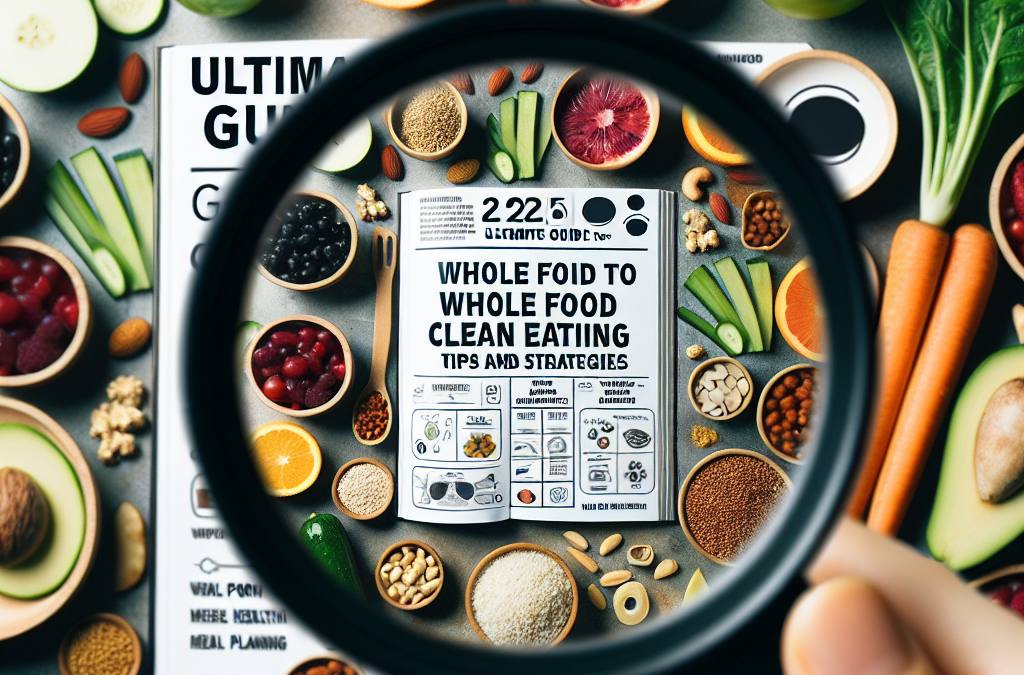
Whole foods are a cornerstone of cardiovascular health, offering a wealth of nutrients that support heart function. Foods such as fruits, vegetables, whole grains, nuts, and seeds are rich in fiber, antioxidants, and healthy fats.
To effectively harness the benefits of whole foods for heart health, it’s essential to understand the specific nutrients that contribute to cardiovascular well-being. For instance, omega-3 fatty acids found in walnuts and flaxseeds can help decrease triglyceride levels, while potassium-rich foods like bananas and leafy greens help regulate blood pressure. However, many people often overlook the significance of a balanced diet that emphasizes whole, unprocessed foods, leading to poor dietary choices that could jeopardize heart health.
Key Nutrients for Heart Health
Key nutrients for heart health include fiber, antioxidants, and healthy fats. Fiber helps to reduce cholesterol levels, while antioxidants protect against oxidative stress and inflammation. Healthy fats, particularly omega-3 fatty acids, are vital for maintaining a healthy heart.
To optimize heart health, focus on incorporating a variety of whole foods into your diet. Foods like oats, beans, berries, and fatty fish provide a rich source of these nutrients. However, people often make the mistake of consuming processed foods that lack these essential components, leading to increased heart disease risk. Prioritizing whole foods over processed options can significantly enhance your cardiovascular health.
Whole Foods and Cholesterol Management
Whole foods play a crucial role in managing cholesterol levels. Foods high in soluble fiber, such as oats and legumes, can lower LDL cholesterol, often referred to as ‘bad’ cholesterol. Additionally, the presence of phytosterols in whole grains can help block cholesterol absorption.
Incorporating these foods into your meals can lead to tangible improvements in cholesterol profiles. For example, a breakfast of oatmeal topped with fruits and nuts not only provides fiber but also adds heart-healthy fats. Many individuals overlook the importance of meal planning and preparation, which can lead to missed opportunities for heart-healthy eating.
Incorporating Whole Foods into Your Diet
Incorporating whole foods into your diet can be straightforward and enjoyable. Start by filling half your plate with fruits and vegetables at every meal. Choose whole grains like brown rice and quinoa instead of refined grains.
To make this transition easier, consider meal prepping on weekends. Preparing snacks and meals in advance can help you avoid the temptation of processed foods during busy weekdays. Many people underestimate the impact of small changes, such as swapping out white bread for whole grain, which can lead to significant improvements in heart health over time.
Further Reading
Authoritative Sources
- American Heart Association
heart.orgA leading authority on heart health, providing guidelines on diet and lifestyle choices for cardiovascular wellness Huge Discount on the Best Certified Organic Whole Food Supplement!  
- National Institutes of Health
ncbi.nlm.nih.govOffers comprehensive research articles on the effects of diet on heart health
- Centers for Disease Control and Prevention
cdc.govProvides statistics and resources on heart disease prevention and the impact of diet
Frequently Asked Questions
What types of whole foods are best for heart health?
Fruits, vegetables, whole grains, nuts, and seeds are the best types of whole foods for heart health.
How can I lower my cholesterol with whole foods?
Incorporating soluble fiber from foods like oats and legumes can help lower LDL cholesterol levels.
Are there specific whole foods that support heart health?
Yes, foods like fatty fish, berries, nuts, and leafy greens are particularly beneficial for heart health.
How often should I eat whole foods for optimal heart health?
Aim to include whole foods in every meal, focusing on a variety of fruits and vegetables daily.
Can whole foods help prevent heart disease?
Yes, a diet rich in whole foods can significantly reduce the risk of heart disease by improving overall heart health.
Conclusion
Incorporating whole foods into your diet is a powerful strategy for supporting cardiovascular health. By prioritizing fruits, vegetables, whole grains, and healthy fats, you can lower cholesterol, reduce inflammation, and enhance overall heart function. Focus on making gradual changes to your eating habits, and remember that consistency is key. By choosing whole foods regularly, you can significantly improve your heart health and reduce the risk of cardiovascular disease.
Huge Discount on the Best Certified Organic Whole Food Supplement!
Related Content
- Transform Your Diet: How Whole Foods Help Reduce Processed Sugar Intake Effectively
- Transform Your Waistline: Why Whole Foods Help Reduce Belly Fat Effectively
- Revitalize Your Energy: How Whole Foods Improve Metabolism Naturally
- Transform Your Diet: How Whole Foods Help Reduce Processed Sugar Intake Effectively
- Nourishing Longevity: How Whole Foods Support Healthy Aging