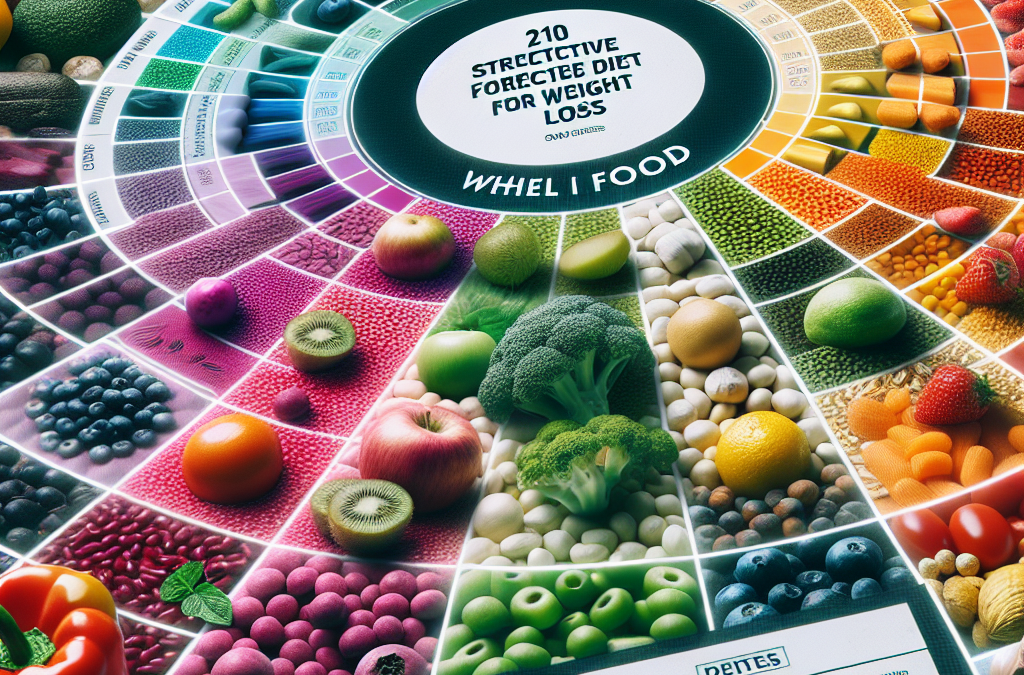
Whole foods play a crucial role in promoting healthy aging by providing essential nutrients that support bodily functions, reduce inflammation, and enhance overall well-being. Incorporating a variety of fruits, vegetables, whole grains, and lean proteins can improve vitality, cognitive function, and reduce the risk of chronic diseases, making it vital to prioritize these foods in your diet as you age.
As we age, our bodies undergo various changes that can affect our nutritional needs. Whole foods, rich in vitamins, minerals, and antioxidants, can help mitigate these changes. For instance, antioxidants from fruits and vegetables combat oxidative stress, which can accelerate aging. Additionally, fiber from whole grains and legumes aids in digestion and helps maintain a healthy weight, which is crucial for preventing age-related conditions.
A common mistake many people make is relying on processed foods, which often lack the necessary nutrients for healthy aging. Prioritizing whole foods can lead to better health outcomes, improved energy levels, and enhanced quality of life. Understanding how to incorporate these foods effectively can help individuals make informed choices that support their long-term health.
The Role of Antioxidants in Aging
Antioxidants are vital in combating oxidative stress, a significant factor in the aging process. Foods rich in antioxidants, such as berries, dark chocolate, and green leafy vegetables, help neutralize free radicals in the body. This action protects cells from damage, reducing the risk of chronic diseases like heart disease and cancer.
Incorporating a variety of antioxidant-rich foods into your diet can significantly impact your health as you age. For example, berries are not only delicious but also high in vitamins C and E, which are crucial for skin health and immune function. Furthermore, leafy greens like spinach and kale are packed with nutrients that support cognitive function.
Many people overlook the importance of diversity in their diet. Eating a wide range of colorful fruits and vegetables ensures a broad spectrum of antioxidants, maximizing their protective effects. Prioritize seasonal produce to enjoy the freshest options available.
Importance of Fiber for Digestive Health
Fiber is essential for maintaining a healthy digestive system, which often becomes sluggish with age. Whole grains, legumes, fruits, and vegetables are excellent sources of dietary fiber. Regular fiber intake supports regular bowel movements and helps prevent constipation, a common issue among older adults.
Moreover, fiber plays a crucial role in weight management by promoting satiety. Foods high in fiber can help control appetite, making it easier to maintain a healthy weight. This is particularly important as excess weight can lead to numerous health issues, including diabetes and heart disease.
A common pitfall is underestimating daily fiber needs. Adults should aim for at least 25 grams of fiber per day. Incorporating fiber-rich foods gradually and increasing water intake can help prevent digestive discomfort while improving overall gut health.
Lean Proteins and Muscle Maintenance
As we age, preserving muscle mass becomes increasingly important. Lean proteins, such as chicken, fish, beans, and legumes, are crucial for muscle repair and growth. Adequate protein intake helps maintain strength, balance, and mobility, which are essential for independence in older age.
In addition to muscle maintenance, proteins play a role in hormone production and immune function. Older adults often require more protein than younger individuals to support these bodily functions. Incorporating a source of protein in every meal can help meet daily needs.
Many individuals mistakenly believe that protein sources are limited to meat and dairy. Exploring plant-based proteins, such as quinoa and lentils, can provide variety and additional health benefits, including lower cholesterol levels and improved heart health.
Huge Discount on the Best Certified Organic Whole Food Supplement!
Hydration and Its Impact on Aging
Staying hydrated is crucial for overall health, especially as we age. Dehydration can lead to confusion, constipation, and kidney problems, making it essential to consume adequate fluids daily. Whole foods with high water content, such as cucumbers, watermelon, and oranges, can contribute to hydration.
As people age, the body’s thirst response diminishes, leading to a higher risk of dehydration. It’s important to make a conscious effort to drink water throughout the day and include hydrating foods in meals. This practice not only supports physical health but also cognitive function.
Many older adults may overlook their hydration needs, especially if they are less active. Setting reminders or incorporating hydration into meal routines can help ensure adequate fluid intake. Additionally, monitoring urine color can be a simple way to gauge hydration status.
Further Reading
Authoritative Sources
- Nutrition and Healthy Aging
ncbi.nlm.nih.govThis resource provides comprehensive insights into how nutrition impacts aging and the importance of whole foods
- Healthy Ageing
who.intWorld Health Organization's overview of healthy aging principles and practices
- The Nutrition of Aging
health.harvard.eduHarvard Health discusses dietary considerations for promoting health during the aging process
Frequently Asked Questions
What are the best whole foods for healthy aging?
Fruits, vegetables, whole grains, lean proteins, and healthy fats are among the best whole foods that support healthy aging.
How does hydration affect aging?
Hydration is crucial as it helps maintain cognitive function, digestion, and overall health, reducing the risk of dehydration-related complications.
Can whole foods help prevent chronic diseases?
Yes, whole foods rich in nutrients and antioxidants can lower the risk of chronic diseases such as heart disease, diabetes, and certain cancers.
How much protein do older adults need?
Older adults should aim for at least 1.2 grams of protein per kilogram of body weight to maintain muscle mass and support bodily functions.
What role do antioxidants play in healthy aging?
Antioxidants protect cells from damage caused by free radicals, reducing the risk of age-related diseases and promoting longevity.
Conclusion
Incorporating whole foods into your diet is essential for promoting healthy aging and maintaining vitality. Prioritizing antioxidant-rich fruits and vegetables, fiber-rich grains, lean proteins, and proper hydration can significantly enhance your quality of life as you age. By making informed dietary choices and understanding the importance of these foods, you can effectively support your body and mind, reduce the risk of chronic diseases, and enjoy a healthier, more active lifestyle. Start today by assessing your current diet and making small, manageable changes to include more whole foods that align with your health goals.
Huge Discount on the Best Certified Organic Whole Food Supplement!
Related Content
- Revitalize Your Gut: Uncovering How Whole Foods Support Digestive Repair
- How Whole Foods Support Mental Health Naturally: Foods That Boost Mood and Cognitive Function
- How Whole Foods Improve Gut Microbiome Balance: Key Foods and Practical Steps
- Why Whole Foods Help Balance Blood Sugar: Key Nutritional Factors and Food Choices
- How Whole Foods Help You Feel Better Fast: Key Ingredients for Rapid Recovery