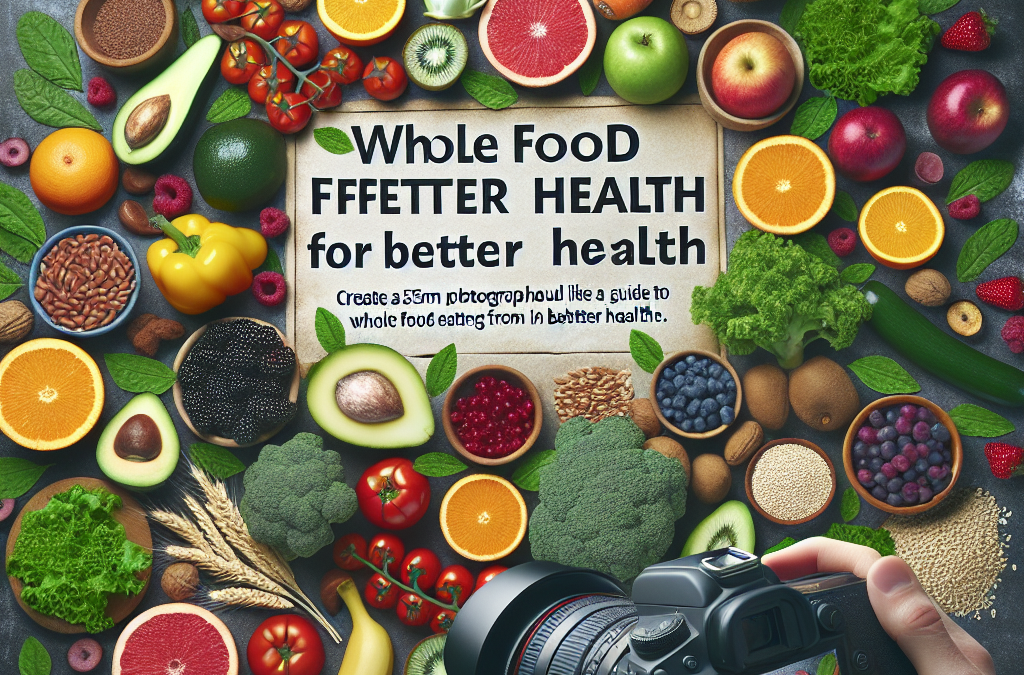
Whole foods play a significant role in supporting healthy cholesterol levels by providing essential nutrients, fiber, and antioxidants that help manage lipid profiles. Foods like oats, nuts, fatty fish, and fruits contribute to lowering LDL (bad cholesterol) while raising HDL (good cholesterol), ultimately promoting cardiovascular health.
Understanding the impact of whole foods on cholesterol is crucial, especially considering the rising rates of heart disease. Many individuals mistakenly believe that dietary fats are the sole contributors to high cholesterol levels, overlooking the importance of overall diet quality. Whole foods, rich in fiber and healthy fats, can effectively counteract the negative effects of processed foods, which often lead to elevated cholesterol levels.
A common mistake is focusing solely on eliminating fats without recognizing the benefits of healthy fats found in whole foods. For instance, avocados and olive oil can positively influence cholesterol levels. Prioritizing a diet rich in diverse whole foods can lead to better heart health and overall well-being.
The Role of Fiber in Cholesterol Management
Fiber is crucial for maintaining healthy cholesterol levels. Soluble fiber, found in foods like oats, beans, and fruits, binds to cholesterol in the digestive system, preventing its absorption into the bloodstream. This process helps lower overall cholesterol levels, particularly LDL cholesterol.
Incorporating fiber-rich foods into your diet can significantly impact heart health. For instance, a diet high in fruits, vegetables, and whole grains not only provides fiber but also essential vitamins and minerals. Over time, these dietary changes can lead to improved cholesterol levels and reduced heart disease risk.
However, many people fail to consume the recommended amount of fiber, which can lead to missed opportunities for cholesterol management. Prioritizing high-fiber foods daily can help individuals achieve their health goals and improve their lipid profiles.
Healthy Fats and Their Benefits
Not all fats are created equal, and healthy fats are essential for maintaining balanced cholesterol levels. Unsaturated fats, found in nuts, seeds, avocados, and olive oil, can help reduce LDL cholesterol while increasing HDL cholesterol.
For example, incorporating fatty fish, such as salmon and mackerel, into your diet provides omega-3 fatty acids that have been shown to lower triglycerides and improve heart health. Making conscious choices to include healthy fats can lead to better cholesterol management and overall cardiovascular health.
Many individuals mistakenly eliminate all fats from their diets, believing this will improve cholesterol levels. Instead, focusing on the type of fat consumed is more beneficial. Choosing whole food sources of healthy fats enhances diet quality and supports heart health.
Antioxidants in Whole Foods
Antioxidants found in whole foods play a vital role in combating oxidative stress, which can contribute to cholesterol oxidation and arterial plaque formation. Foods rich in antioxidants, such as berries, dark chocolate, and leafy greens, can help protect against cardiovascular disease.
Incorporating a variety of antioxidant-rich foods into your diet can provide additional benefits beyond cholesterol management. These foods can support overall health, reduce inflammation, and improve immune function. A diet rich in color and variety ensures a broad spectrum of antioxidants that can work synergistically to promote heart health.
However, many individuals overlook the importance of antioxidants in their diets. By prioritizing whole foods that are rich in these beneficial compounds, individuals can enhance their cholesterol management strategy and overall health.
Practical Tips for Incorporating Whole Foods
Incorporating whole foods into your diet can be straightforward with a few practical strategies. Start by planning meals around whole grains, fruits, vegetables, and healthy fats. For instance, consider oatmeal topped with berries for breakfast or a salad with mixed greens, nuts, and olive oil for lunch.
Huge Discount on the Best Certified Organic Whole Food Supplement!
Additionally, meal prepping can help you stay on track with your dietary goals. Preparing healthy snacks, like cut-up fruits and vegetables, can prevent reaching for processed options. By consistently choosing whole foods, you can effectively manage cholesterol levels and improve overall health.
Many people struggle with making lasting changes to their diets. Focusing on gradual adjustments, such as replacing one processed food item with a whole food option daily, can lead to significant improvements over time.
Further Reading
For readers looking to deepen their understanding of the impact of whole foods on cholesterol levels, consider exploring resources from reputable health organizations and nutrition experts. These sources can provide valuable insights and practical tips for maintaining heart health through diet.
Authoritative Sources
- American Heart Association
heart.orgOffers extensive resources on heart health, including dietary recommendations for managing cholesterol levels
- Centers for Disease Control and Prevention (CDC)
cdc.govProvides information on cholesterol, heart disease, and the importance of a healthy diet
- National Heart, Lung, and Blood Institute
nhlbi.nih.govFeatures guidelines and research on cholesterol management through dietary habits
Frequently Asked Questions
What are whole foods?
Whole foods are minimally processed foods that are close to their natural state, including fruits, vegetables, whole grains, nuts, and seeds.
How do whole foods affect cholesterol levels?
Whole foods provide essential nutrients and fiber that can help lower LDL cholesterol and raise HDL cholesterol, contributing to better heart health.
Which whole foods are best for lowering cholesterol?
Foods like oats, fatty fish, nuts, avocados, and fruits are particularly effective in managing cholesterol levels.
Can I still eat fats if I want to lower my cholesterol?
Yes, focus on healthy fats from sources like olive oil and fatty fish, which can actually help improve cholesterol levels.
What lifestyle changes can support healthy cholesterol levels?
In addition to a whole food diet, regular exercise, maintaining a healthy weight, and avoiding smoking can significantly support healthy cholesterol levels.
Conclusion
Incorporating whole foods into your diet is essential for maintaining healthy cholesterol levels and promoting overall cardiovascular health. By focusing on fiber-rich foods, healthy fats, and antioxidants, individuals can effectively manage their cholesterol and reduce the risk of heart disease. Start by making gradual changes, such as including more whole foods in your meals and snacks, and prioritize lifestyle factors like exercise and weight management. By taking these steps, you can achieve better heart health and improve your quality of life.
Huge Discount on the Best Certified Organic Whole Food Supplement!
Related Content
- The Complete Guide to Whole Food Benefits for Beginners: Essential Foods for Health and Vitality
- Maximize Recovery: How Whole Foods Support Muscle Recovery Effectively
- Elevate Your Spirits: How Whole Foods Improve Mood Naturally
- Why Whole Foods Improve Insulin Sensitivity: The Role of Nutrient Density and Glycemic Control
- How Whole Foods Support Sustainable Weight Loss: Key Foods and Practical Strategies for Lasting Results