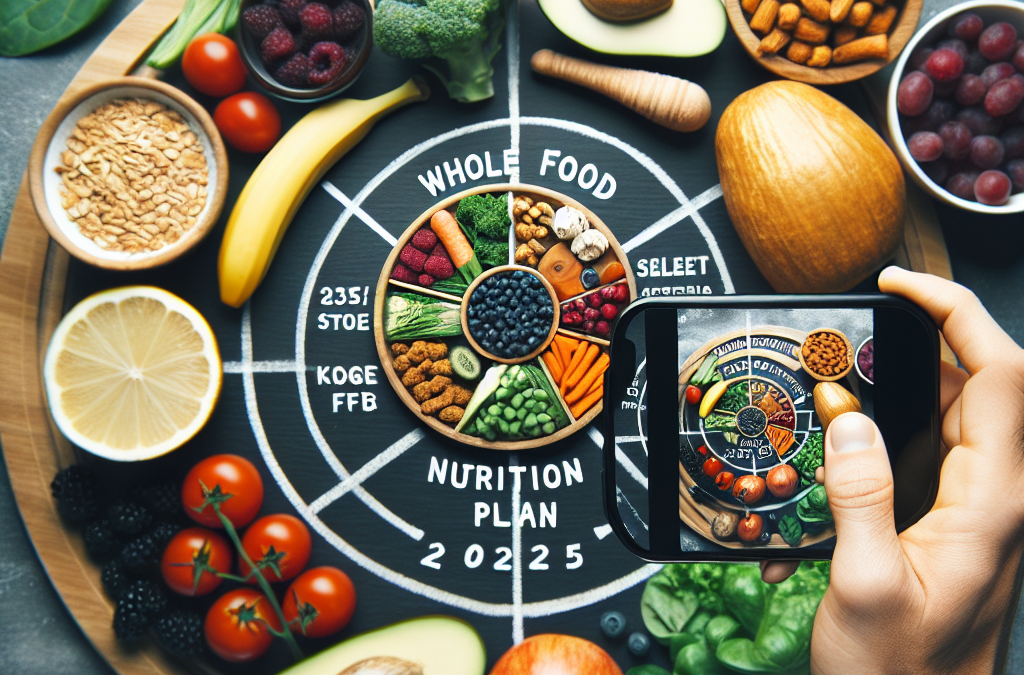
Whole foods are crucial for maintaining healthy digestion after the age of 50, as they offer essential nutrients and dietary fiber that promote gut health. As we age, our digestive systems may slow down, making it important to incorporate foods that support digestive enzyme function and maintain a balanced microbiome.
Incorporating fiber-rich foods, such as fruits, vegetables, whole grains, and legumes, is key to enhancing digestive health. These foods not only help regulate bowel movements but also provide the necessary nutrients that support gut motility. Additionally, fermented foods like yogurt, kefir, and sauerkraut can introduce beneficial probiotics into the digestive system, further promoting gut health.
A common mistake many older adults make is relying too heavily on processed foods, which can lead to digestive discomfort. Prioritizing whole foods over processed options can significantly improve digestive function. It’s essential to recognize that as one ages, the body may require a different balance of nutrients to maintain optimal digestive health.
The Role of Fiber in Digestive Health
Fiber plays a crucial role in digestive health, particularly for individuals over 50. A diet high in fiber helps to enhance bowel regularity, reducing the risk of constipation and other digestive disorders. Soluble fiber, found in foods like oats, beans, and apples, can help soften stool, while insoluble fiber, present in whole grains and vegetables, adds bulk and promotes movement through the digestive tract.
Incorporating a variety of fiber types into your diet is essential. It’s recommended to consume at least 25 grams of fiber daily for women and 38 grams for men. However, many older adults fall short of these recommendations, which can lead to discomfort and digestive issues. Gradually increasing fiber intake while ensuring adequate hydration can help mitigate any potential digestive upset.
A common misconception is that fiber alone is sufficient for digestive health. While it is important, the balance of other nutrients and hydration levels also play a significant role in how well the digestive system functions. Therefore, focusing solely on fiber without considering overall dietary balance may not yield the best results.
Benefits of Fermented Foods
Fermented foods are incredibly beneficial for digestive health, especially for those over 50. These foods, such as yogurt, kimchi, and kombucha, contain live probiotics that help restore the natural balance of gut bacteria. A healthy gut microbiome is essential for efficient digestion, nutrient absorption, and overall well-being.
Regular consumption of fermented foods can enhance digestive enzyme production, aiding in the breakdown of food and absorption of nutrients. This is particularly important as aging can lead to a decrease in digestive enzyme activity. Including a serving of fermented food in your daily diet can provide significant benefits for gut health.
However, it’s important to choose high-quality fermented products with live cultures. Many store-bought options contain added sugars or preservatives that can negate their health benefits. Reading labels and choosing products with minimal processing can ensure you reap the maximum benefits from these foods.
Hydration and Its Impact on Digestion
Hydration is a critical yet often overlooked aspect of digestive health, particularly for those over 50. Adequate fluid intake is essential for softening stool and facilitating smooth digestion. As we age, the sensation of thirst may diminish, leading to a higher risk of dehydration, which can exacerbate digestive problems.
To support healthy digestion, it is recommended to drink plenty of fluids throughout the day, primarily water. Herbal teas and broths can also contribute to hydration. Moreover, consuming foods with high water content, such as fruits and vegetables, can further aid in maintaining hydration levels.
A common mistake is waiting until feeling thirsty to drink water. By that time, mild dehydration may already be affecting digestion. Setting reminders to drink water regularly can help maintain optimal hydration levels, ensuring that the digestive system functions effectively.
Huge Discount on the Best Certified Organic Whole Food Supplement!
Identifying Common Digestive Issues
As individuals age, they may experience various digestive issues, including bloating, gas, and constipation. Recognizing these issues is the first step toward addressing them. Whole foods can often mitigate these symptoms, but identifying triggers is crucial for effective management.
Keeping a food diary can help pinpoint which foods may cause discomfort. Common culprits include dairy, gluten, and highly processed foods. Once identified, adjustments can be made to the diet, focusing on whole foods that are easier to digest.
It’s also important to consult with a healthcare provider if digestive issues persist. They can provide guidance on dietary adjustments and rule out any underlying conditions that may be contributing to digestive discomfort. Prioritizing a proactive approach to digestive health can lead to significant improvements in overall quality of life.
Further Reading
Authoritative Sources
- Healthy Eating for Older Adults
eatright.orgThis resource provides practical advice on nutrition for older adults, emphasizing the importance of whole foods for digestive health
- Probiotics and Digestive Health
ncbi.nlm.nih.govA comprehensive review of the role of probiotics in enhancing digestive health, particularly in older populations
- The Ultimate Guide to Digestive Health
healthline.comThis article outlines various strategies for improving digestive health, with a focus on whole foods and hydration
Frequently Asked Questions
What are the best whole foods for digestion after 50?
Fruits, vegetables, whole grains, legumes, and fermented foods are some of the best whole foods for promoting healthy digestion after 50.
How much fiber should I consume daily for digestive health?
Women should aim for about 25 grams and men for 38 grams of fiber daily to support digestive health.
Can fermented foods improve digestion?
Yes, fermented foods introduce probiotics that enhance gut flora, aiding in digestion and nutrient absorption.
How does hydration affect digestion?
Adequate hydration is essential for softening stool and preventing constipation, thus supporting overall digestive health.
What should I do if I have persistent digestive issues?
If digestive issues persist, it’s important to consult a healthcare provider for a proper diagnosis and dietary recommendations.
Conclusion
In summary, whole foods are instrumental in supporting healthy digestion after 50. By prioritizing fiber-rich foods, incorporating fermented items, and maintaining proper hydration, individuals can significantly enhance their digestive health. Recognizing and addressing common digestive issues early can lead to better outcomes. Take proactive steps to incorporate these dietary practices into your daily routine for optimal digestive well-being.
Huge Discount on the Best Certified Organic Whole Food Supplement!
Related Content
- Why Whole Foods Improve Focus and Productivity: Key Nutritional Benefits and Practical Choices
- The Whole Food Diet Benefits for Beginners: Essential Foods and Practical Tips
- Unveiling the Unexpected Perks of Embracing a Whole Food Lifestyle
- Harnessing Nature’s Bounty: Why Whole Foods Help Control Hunger Hormones Effectively
- The Ultimate Guide to 10 Effective Whole Food Natural Vitamins in 2025