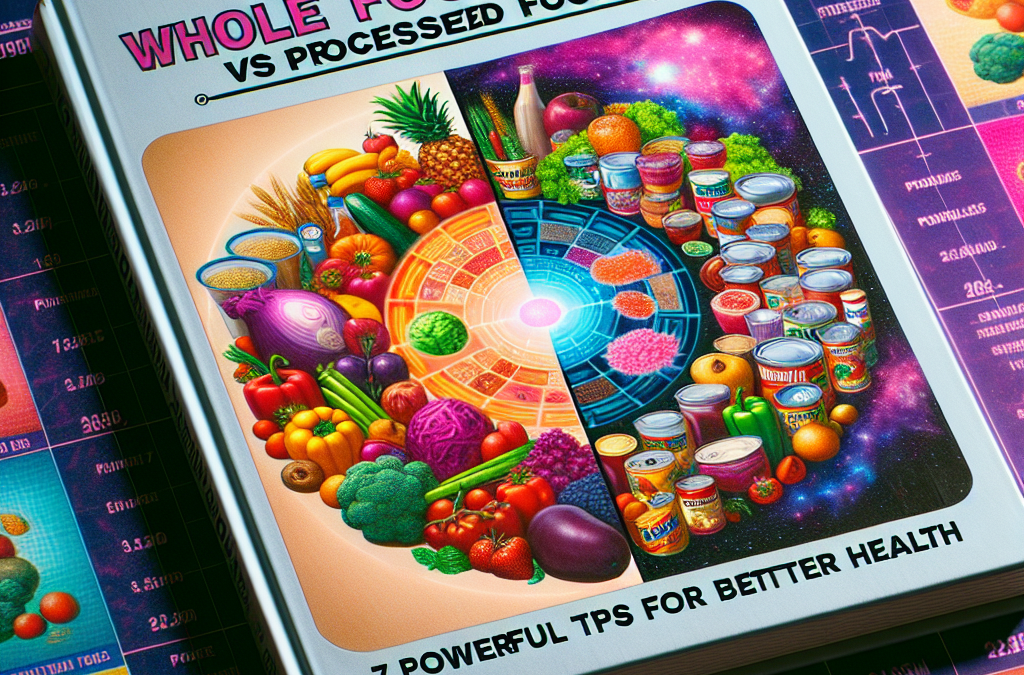
Whole foods support healthy digestion over time by delivering essential nutrients, fiber, and probiotics that foster gut health. Foods such as fruits, vegetables, whole grains, and fermented items not only provide dietary fiber that aids in regular bowel movements but also encourage a balanced microbiome, improve nutrient absorption, and alleviate digestive discomfort.
Incorporating whole foods into your diet can significantly impact how your digestive system functions. For instance, fiber-rich foods help regulate bowel movements and prevent constipation, while fermented foods introduce beneficial probiotics that support gut flora. However, many people overlook the importance of gradual dietary changes; introducing too many new foods at once can lead to discomfort or digestive issues. Understanding how to integrate these foods effectively is crucial for sustainable digestive health.
Moreover, it’s essential to prioritize diversity in your diet to maximize digestive benefits. Relying solely on a few types of whole foods may lead to nutrient gaps. Instead, aim for a colorful plate that includes various fruits and vegetables, whole grains, nuts, and seeds. This approach not only enhances nutrient intake but also keeps your digestive system engaged and functioning optimally.

Nutritional Components of Whole Foods
Whole foods are rich in essential nutrients that support various bodily functions, including digestion. These foods are minimally processed and retain their natural integrity, ensuring that they provide vitamins, minerals, and antioxidants crucial for gut health. Nutrients such as magnesium, potassium, and B vitamins play significant roles in digestive processes and overall health.
For example, magnesium is vital for muscle function, including the muscles in the digestive tract. A deficiency in this mineral can lead to issues such as constipation. By consuming whole foods like leafy greens, nuts, and whole grains, you can ensure adequate magnesium intake. However, many people may not realize that relying heavily on processed foods can lead to nutrient deficiencies, which ultimately compromise digestive health.
Moreover, antioxidants found in whole foods help combat oxidative stress, which can damage gut cells. Prioritizing a diet rich in whole foods can enhance your body’s ability to protect and repair the digestive system. Consider incorporating a variety of colorful fruits and vegetables to maximize your antioxidant intake.
The Role of Fiber in Digestion
Fiber is a key component of whole foods that significantly impacts digestion. It aids in the regulation of bowel movements, helps maintain a healthy weight, and lowers the risk of chronic diseases. There are two types of dietary fiber: soluble and insoluble, both of which play different yet complementary roles in digestive health.
Soluble fiber, found in foods like oats, beans, and apples, dissolves in water to form a gel-like substance. This type of fiber can help lower cholesterol and regulate blood sugar levels. Insoluble fiber, found in whole grains, nuts, and vegetables, adds bulk to stool and promotes regularity. Many individuals underestimate the importance of fiber, often consuming insufficient amounts, which can lead to digestive issues like constipation or bloating.
To optimize your digestive health, aim to include a mix of both soluble and insoluble fibers in your diet. Gradually increasing your fiber intake while ensuring adequate hydration can help prevent digestive discomfort and promote a healthy gut environment. Additionally, being aware of how your body responds to different fiber sources can guide you in making informed dietary choices.
Probiotics and Gut Health
Probiotics, the beneficial bacteria found in certain foods, are crucial for maintaining a healthy gut microbiome. Whole foods like yogurt, kefir, sauerkraut, and kimchi are excellent sources of probiotics. These microorganisms help balance gut flora, enhance digestion, and boost the immune system.
Incorporating probiotic-rich foods into your diet can help improve gut health and reduce symptoms of digestive disorders such as irritable bowel syndrome (IBS). However, it is important to note that not all fermented foods contain live probiotics; some may be pasteurized, which kills the beneficial bacteria. Therefore, choosing unpasteurized options is essential for reaping the full benefits.
Moreover, the diversity of your gut microbiome is crucial for optimal health. A varied diet that includes different sources of probiotics can promote a more resilient gut environment. Be cautious of relying solely on supplements, as whole foods provide additional nutrients and fiber that support overall digestive health.
Huge Discount on the Best Certified Organic Whole Food Supplement!
Practical Tips for Incorporating Whole Foods
Adopting a whole foods-based diet can seem daunting, but there are practical steps you can take to make the transition smoother. Start by gradually replacing processed foods with whole food alternatives. For instance, swap white rice for brown rice or quinoa, and choose whole grain bread instead of white bread.
Meal prepping can also be an effective strategy for incorporating more whole foods into your diet. Preparing meals in advance allows you to prioritize whole ingredients and ensures you have healthy options readily available. Furthermore, experimenting with new recipes can make whole food meals more enjoyable and encourage you to explore various flavors and textures.
Lastly, keep in mind that balance is key. While it’s essential to focus on whole foods, occasional indulgences can be part of a healthy diet. Understanding how to integrate whole foods without feeling restricted can lead to sustainable dietary changes that support long-term digestive health.
Further Reading
Authoritative Sources
- Dietary Fiber and Health
ncbi.nlm.nih.govThis article provides comprehensive insights into the role of dietary fiber in health and digestion
- Healthy Diet
who.intThe World Health Organization outlines the importance of a healthy diet in maintaining well-being, including digestive health
- Probiotics and Prebiotics
eatright.orgThis resource explains the differences between probiotics and prebiotics and their benefits for gut health
Frequently Asked Questions
What are whole foods?
Whole foods are minimally processed foods that retain their natural state, including fruits, vegetables, whole grains, nuts, and seeds.
How do whole foods improve digestion?
Whole foods enhance digestion by providing essential nutrients, fiber, and probiotics that support gut health and regular bowel movements.
What types of fiber are beneficial for digestion?
Both soluble and insoluble fibers are beneficial; soluble fiber helps regulate blood sugar, while insoluble fiber adds bulk to stool and promotes regularity.
Can probiotics be found in supplements?
Yes, probiotics can be found in supplements, but whole foods like yogurt and fermented products often provide additional nutrients and benefits.
How can I start incorporating more whole foods into my diet?
Begin by gradually replacing processed foods with whole food alternatives, meal prepping, and experimenting with new recipes for variety.
Conclusion
Incorporating whole foods into your diet is a powerful way to support healthy digestion over time. Prioritize foods rich in fiber, probiotics, and essential nutrients to enhance your gut health. Remember to introduce changes gradually and maintain a balance that allows for occasional indulgences. By focusing on diversity and sustainability in your dietary choices, you can create a robust foundation for long-term digestive wellness.
Huge Discount on the Best Certified Organic Whole Food Supplement!
Related Content
- The Best Whole Foods for Sustainable Energy: Top Choices for Lasting Vitality
- Revitalize Your Gut: Uncovering How Whole Foods Support Digestive Repair
- The Hidden Benefits of Eating Whole Foods Daily: Key Nutritional Advantages for Optimal Health
- How Whole Foods Help You Feel Better Fast: Key Ingredients for Rapid Recovery
- Why Whole Foods Improve Appetite Control: Key Mechanisms and Practical Strategies