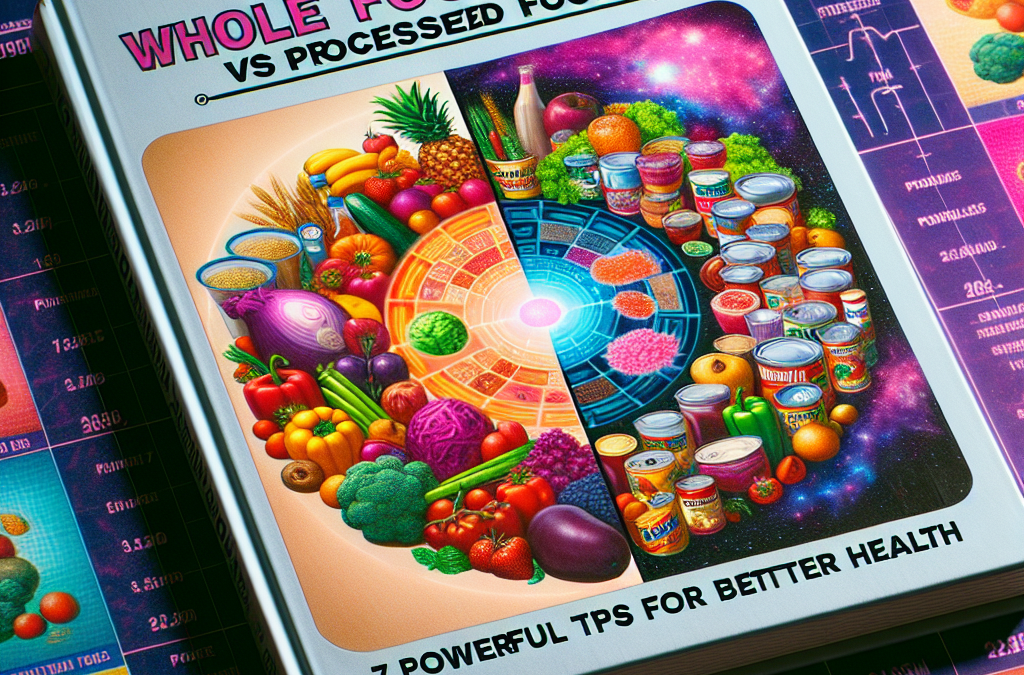
Whole foods, such as fruits, vegetables, whole grains, lean proteins, and healthy fats, support healthy weight loss by providing essential nutrients while being lower in calories. Their high fiber content promotes satiety, reduces cravings, and helps maintain energy levels, making them ideal for sustainable weight management.
Incorporating whole foods into your diet can be a game-changer for weight loss. They not only provide the necessary vitamins and minerals to support overall health but also help regulate hunger hormones, which can lead to reduced calorie intake. Many people mistakenly believe that weight loss requires extreme calorie restriction or fad diets, but focusing on nutrient-dense whole foods can create a more sustainable and healthier approach to weight management.
However, it’s important to prioritize variety within your whole food choices. Many individuals tend to lean heavily on a limited selection of foods, which can lead to nutritional deficiencies over time. Additionally, some may overlook portion sizes, thinking that because whole foods are healthy, they can be consumed in unlimited quantities. Understanding the balance and moderation of even healthy foods is crucial for effective weight loss.
The Role of Fiber in Weight Loss
Fiber plays a crucial role in supporting healthy weight loss by enhancing feelings of fullness and reducing overall calorie intake. Foods high in fiber, such as fruits, vegetables, legumes, and whole grains, take longer to digest, which helps to keep hunger at bay. This delayed digestion not only aids in weight management but also promotes digestive health and regularity.
Many individuals overlook the importance of fiber, often opting for low-fiber diets that can lead to increased cravings and overeating. Including a variety of fiber-rich foods in your meals helps stabilize blood sugar levels and can minimize the risk of weight regain after a successful weight loss journey. Prioritizing fiber intake is essential for anyone looking to achieve sustainable results.
It’s also important to gradually increase fiber intake to avoid digestive discomfort. Starting with small amounts and slowly incorporating more fiber-rich foods can help your body adjust. Additionally, drinking plenty of water is essential when increasing fiber consumption to support proper digestion.
Choosing Nutrient-Dense Foods
Nutrient density refers to the amount of essential nutrients a food provides relative to its calorie content. Whole foods are generally more nutrient-dense than processed foods, making them better choices for those aiming to lose weight. For example, a cup of spinach contains far fewer calories than a cup of potato chips while providing essential vitamins and minerals.
When selecting foods, aim for items that are rich in vitamins, minerals, and antioxidants while low in added sugars and unhealthy fats. This approach not only supports weight loss but also encourages overall health. One common pitfall is relying on low-calorie processed foods that may lack nutrients, which can lead to cravings and overeating later.
To maximize nutrient intake, focus on incorporating a rainbow of fruits and vegetables into your meals. Each color represents different beneficial compounds, so a diverse plate can help ensure you are getting a wide range of nutrients. This not only supports weight loss but also enhances overall health.
Common Mistakes in Whole Food Diets
Many individuals make the mistake of assuming that all whole foods are inherently low in calories. While whole foods are often healthier than their processed counterparts, portion control remains essential. Overeating even healthy foods can lead to an excess calorie intake, hindering weight loss efforts.
Another common mistake is focusing too heavily on specific food groups while neglecting others. For example, some may overemphasize fruits while under-consuming vegetables, leading to an imbalance in nutrient intake. A well-rounded diet that includes a variety of whole foods is vital for optimal health and effective weight management.
Finally, it’s crucial to be mindful of added ingredients in seemingly healthy foods. Some products marketed as whole foods may contain added sugars, oils, or preservatives that can detract from their health benefits. Always read labels and prioritize whole, unprocessed options as much as possible.
Practical Tips for Incorporating Whole Foods
Incorporating whole foods into your diet doesn’t have to be overwhelming. Start by gradually replacing processed snacks with whole food alternatives, such as fresh fruits, nuts, or yogurt. Meal prepping can also be a helpful strategy to ensure you have healthy options readily available, reducing the temptation to reach for convenient processed foods.
Huge Discount on the Best Certified Organic Whole Food Supplement!
Experimenting with new recipes that focus on whole foods can also keep your meals exciting and satisfying. Consider exploring different cuisines that emphasize fresh ingredients, such as Mediterranean or Asian dishes, which often highlight vegetables, lean proteins, and whole grains.
Additionally, shopping the perimeter of the grocery store can often lead you to whole food options, as this is where fresh produce, meats, and dairy are typically located. Limiting your time in the aisles can help you avoid processed foods and make healthier choices more accessible.
Further Reading
Authoritative Sources
- ChooseMyPlate.gov
choosemyplate.govThis resource offers guidance on creating balanced meals with whole foods for optimal health
- Eat Right
eatright.orgAn authoritative source on nutrition, providing evidence-based information on healthy eating practices
- Nutrition.gov
nutrition.govA government website with resources on nutrition and healthy eating habits
- CDC Nutrition
cdc.govThis site provides information on nutrition and weight management strategies supported by research
Frequently Asked Questions
Can whole foods help with weight loss?
Yes, whole foods are nutrient-dense and lower in calories, which can promote weight loss by increasing satiety and reducing cravings.
What are some examples of whole foods?
Fruits, vegetables, whole grains, lean meats, fish, nuts, and seeds are all considered whole foods.
How can I incorporate more whole foods into my diet?
Start by replacing processed snacks with whole food alternatives and meal prepping to have healthy options readily available.
Are all whole foods low in calories?
No, while whole foods are generally healthier, portion control is still important as some whole foods can be calorie-dense.
What common mistakes should I avoid with whole foods?
Avoid focusing too heavily on specific food groups and ensure variety in your diet to prevent nutritional deficiencies.
Conclusion
In summary, whole foods play a vital role in supporting healthy weight loss through their nutrient density and ability to promote satiety. By choosing a variety of whole foods, managing portion sizes, and avoiding common pitfalls, individuals can create a sustainable weight loss strategy that not only aids in losing weight but also enhances overall health. Prioritizing whole foods in your diet can lead to long-term success and well-being, making it a worthwhile endeavor for anyone looking to improve their health.
Huge Discount on the Best Certified Organic Whole Food Supplement!
Related Content
- Unlock Natural Weight Loss: Discover How Whole Foods Help With Weight Loss Naturally
- How Whole Foods Reduce Sugar Cravings: Nutrient-Rich Choices for Lasting Satisfaction
- Why Whole Foods Improve Appetite Control: Key Mechanisms and Practical Strategies
- Maximizing Health: The Whole Food Advantage for Men Over 40
- How Whole Foods Support Natural Detox Pathways: Effective Foods for Enhanced Body Cleansing