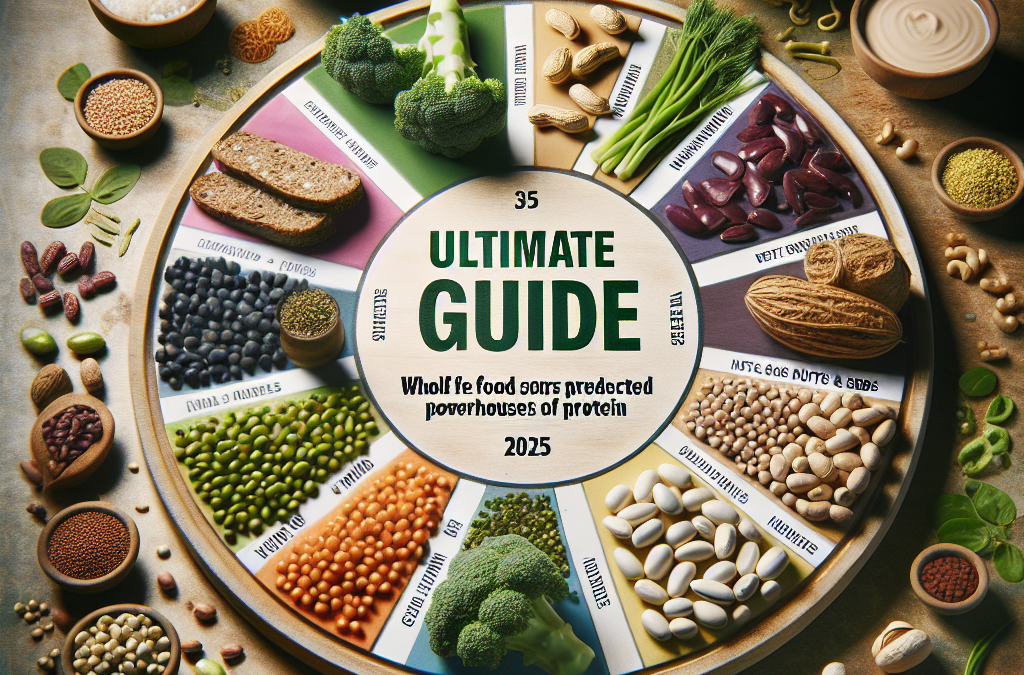
Whole Foods support muscle recovery by providing essential nutrients that enhance muscle repair and reduce inflammation. Key nutrients include proteins, healthy fats, vitamins, and minerals found in foods like lean meats, nuts, fruits, and vegetables, which work together to optimize recovery post-exercise.
Understanding the specific nutrients that contribute to muscle recovery is crucial for anyone engaged in physical activity. Proteins, for instance, are vital for repairing muscle fibers that undergo stress during workouts. Healthy fats, such as omega-3 fatty acids, help reduce inflammation and promote healing. Additionally, vitamins and minerals play a significant role in energy metabolism and muscle function, making it essential to prioritize whole, nutrient-dense foods in your diet.
The Role of Protein in Muscle Recovery
Protein is crucial for muscle recovery as it provides the amino acids necessary for repairing damaged muscle fibers. Consuming adequate protein post-exercise helps stimulate muscle protein synthesis, leading to better recovery outcomes.

To effectively utilize protein for muscle recovery, it is essential to choose high-quality sources. Lean meats, fish, eggs, and plant-based proteins like beans and legumes are excellent options. Timing is also important; consuming protein within 30 to 60 minutes post-workout can maximize its benefits. However, many individuals often underestimate their protein needs, leading to suboptimal recovery.
Importance of Healthy Fats
Healthy fats, particularly omega-3 fatty acids, are vital for reducing inflammation and supporting overall muscle recovery. These fats can help alleviate muscle soreness and enhance the body’s healing processes.
Incorporating healthy fats into your diet can be done through sources like fatty fish, nuts, seeds, and avocados. It’s essential to balance fat intake with other macronutrients to ensure a well-rounded recovery diet. Many people overlook the importance of fats, focusing solely on protein and carbohydrates, which can hinder recovery.
Vitamins and Minerals for Optimal Recovery
Vitamins and minerals play a significant role in energy metabolism and muscle function. Nutrients like vitamin C, vitamin D, calcium, and magnesium are particularly important for muscle recovery.
For instance, vitamin C supports collagen synthesis, which is crucial for muscle and joint health, while magnesium helps in muscle contraction and relaxation. A diet rich in fruits and vegetables typically provides these essential nutrients. However, many individuals may not consume enough variety, leading to potential deficiencies that can impair recovery.
Huge Discount on the Best Certified Organic Whole Food Supplement!
Choosing the Right Whole Foods
When selecting whole foods for muscle recovery, focus on nutrient-dense options that provide a balance of macronutrients and micronutrients. Foods such as quinoa, sweet potatoes, leafy greens, and berries offer a range of vitamins and minerals essential for recovery.
Additionally, planning meals around recovery needs can improve outcomes. For example, a post-workout meal combining protein, healthy fats, and carbohydrates can enhance recovery efficiency. Many people, however, may rely on processed foods that lack these essential nutrients, ultimately hindering their recovery process.
Further Reading
Authoritative Sources
- MedlinePlus
medlineplus.govConsumer-friendly medical and health information from the U.S. National Library of Medicine.
- National Institutes of Health
nih.govResearch-based health information and links to authoritative medical resources.
- Centers for Disease Control and Prevention
cdc.govOfficial public health guidance, prevention resources, and topic-specific recommendations.
- Mayo Clinic
mayoclinic.orgTrusted clinical guidance, symptom explainers, and treatment overviews.
- World Health Organization
who.intGlobal health guidance, fact sheets, and evidence-based public health information.
Frequently Asked Questions
What types of whole foods are best for muscle recovery?
Lean proteins, healthy fats, fruits, and vegetables are ideal for muscle recovery. Foods like chicken, fish, nuts, and leafy greens provide essential nutrients.
How long does it take for muscles to recover after exercise?
Muscle recovery can take anywhere from 24 to 72 hours, depending on the intensity of the workout and individual factors such as nutrition and rest.
Should I eat immediately after a workout?
Yes, consuming a meal or snack rich in protein and carbohydrates within 30 to 60 minutes post-workout can enhance muscle recovery.
Can I rely on supplements for muscle recovery?
While supplements can help, whole foods are preferred for overall health and recovery due to their complex nutrient profiles.
What role do carbohydrates play in muscle recovery?
Carbohydrates replenish glycogen stores depleted during exercise, providing energy for recovery and subsequent workouts.
Conclusion
Incorporating whole foods into your diet is essential for effective muscle recovery. Prioritize protein, healthy fats, and a variety of vitamins and minerals to optimize your recovery process. By focusing on nutrient-dense foods and understanding their roles, you can enhance your performance and overall well-being. Make informed choices about your diet to ensure you support your body’s recovery effectively.
Huge Discount on the Best Certified Organic Whole Food Supplement!
Related Content
- Top 10 Whole Food Fiber Sources for 2025: Boost Your Health Naturally
- Unlocking Fat Loss: The Best Whole Foods to Transform Your Diet
- Transform Your Diet: How Whole Foods Help Reduce Processed Sugar Intake Effectively
- Revive Your Liver: Natural Ways Whole Foods Can Enhance Functionality
- Unlocking Fat Loss: The Best Whole Foods to Transform Your Diet