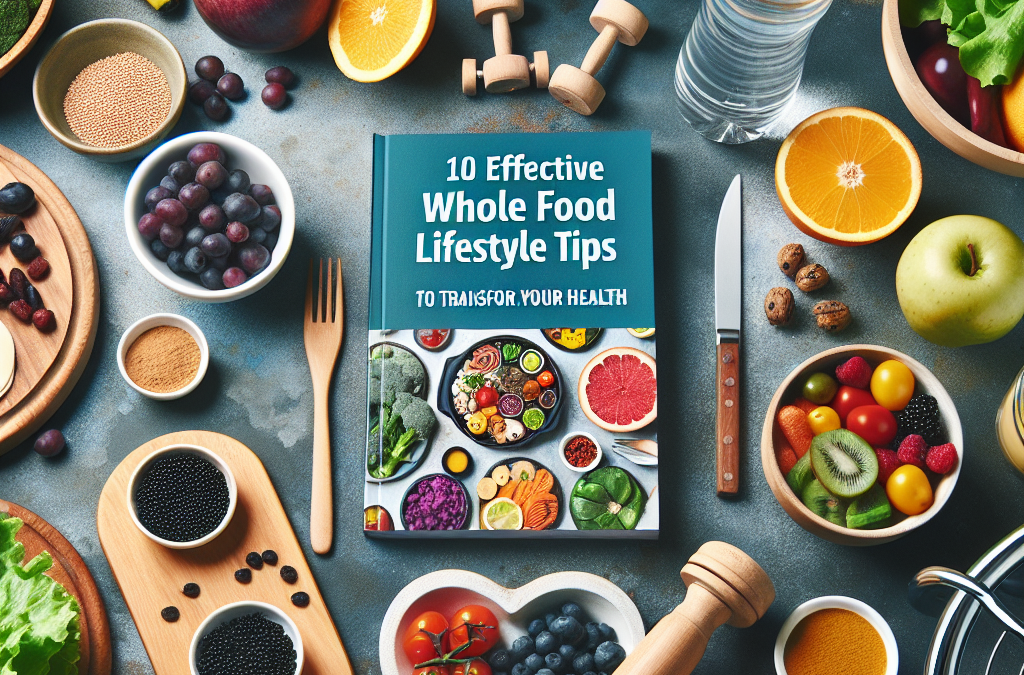
Whole foods support natural detox pathways by providing essential nutrients that enhance liver function, promote digestion, and facilitate the elimination of toxins. Foods rich in antioxidants, fiber, and specific vitamins and minerals help the body detoxify effectively, ensuring optimal health and wellness.
Understanding how these foods contribute to detoxification is crucial. The liver plays a central role in processing toxins, and whole foods can enhance its efficiency. For example, cruciferous vegetables like broccoli and Brussels sprouts contain compounds that stimulate liver enzymes, improving detoxification processes. Additionally, fiber from whole grains and fruits aids digestion and promotes the excretion of waste, further supporting detox pathways.
One common mistake is relying solely on detox diets or supplements without considering the long-term benefits of whole foods. Many detox programs can be restrictive and may lack essential nutrients, potentially leading to deficiencies. Instead, focusing on a balanced intake of whole foods can provide a sustainable approach to supporting your body’s natural detoxification processes.
The Role of Antioxidants in Detoxification
Antioxidants are crucial in supporting the body’s detox pathways by neutralizing free radicals and reducing oxidative stress. Foods like berries, dark chocolate, and leafy greens are packed with antioxidants, which help protect cells from damage during the detoxification process. Consuming a variety of these foods can significantly enhance the body’s ability to detoxify.
Incorporating antioxidant-rich foods into your diet not only aids detoxification but also promotes overall health. For instance, vitamin C, found in citrus fruits and bell peppers, plays a vital role in collagen production and immune function, which are essential during detoxification. By prioritizing these foods, you can optimize your body’s detox pathways while boosting your overall health.
Many people underestimate the impact of antioxidant-rich foods. A common oversight is consuming processed foods that lack these vital nutrients. To maximize detox benefits, prioritize whole, unprocessed foods that provide a wealth of antioxidants.
Fiber’s Impact on Digestive Health
Fiber is essential for maintaining digestive health and supporting detoxification. It helps regulate bowel movements, ensuring that waste and toxins are effectively eliminated from the body. Foods high in fiber, such as beans, lentils, whole grains, fruits, and vegetables, are vital for a healthy digestive system.
A high-fiber diet not only supports detoxification but also helps maintain a healthy weight and reduces the risk of chronic diseases. Soluble fiber, found in oats and chia seeds, can also help lower cholesterol levels, providing additional health benefits. Balancing soluble and insoluble fiber in your diet is key to optimizing digestion and detoxification.
Many individuals struggle to consume enough fiber daily. It’s important to gradually increase fiber intake to avoid digestive discomfort. Prioritizing whole foods and incorporating a variety of fiber sources can help meet daily requirements while supporting detox pathways.
Essential Vitamins and Minerals for Detox
Certain vitamins and minerals play a critical role in supporting the body’s detoxification processes. For example, B vitamins are essential for energy production and help convert toxins into less harmful substances. Foods rich in B vitamins, such as whole grains, eggs, and green leafy vegetables, should be included in your diet for effective detox support.
Additionally, minerals like magnesium and zinc are vital for enzyme function and detoxification. Foods such as nuts, seeds, and legumes are excellent sources of these minerals. Ensuring an adequate intake of these nutrients can significantly enhance your body’s detox capabilities.
One common mistake is neglecting these vital nutrients in favor of trendy detox diets. A well-rounded diet that includes a variety of whole foods ensures that you receive all the essential vitamins and minerals needed for optimal detoxification. Prioritize nutrient-dense foods to support your body’s natural processes.
Common Mistakes in Detoxification Practices
Many people make critical mistakes when attempting to detoxify their bodies. One significant error is relying on juice cleanses or extreme detox diets that may not provide sufficient nutrients. These practices can lead to nutrient deficiencies and negatively impact overall health.
Huge Discount on the Best Certified Organic Whole Food Supplement!
Instead of engaging in restrictive diets, focus on incorporating a variety of whole foods that support detoxification. Gradually increasing your intake of fruits, vegetables, whole grains, and lean proteins can create a sustainable approach to health. This balanced strategy not only aids detoxification but also promotes long-term wellness.
Another common pitfall is overlooking hydration. Drinking adequate water is essential for flushing out toxins and supporting kidney function. Ensure you drink enough fluids throughout the day to enhance your body’s natural detox pathways.
Further Reading
Authoritative Sources
- The Role of Antioxidants in Detoxification
ncbi.nlm.nih.govThis source provides a comprehensive overview of how antioxidants support the body's detoxification processes
- Dietary Fiber and Health
ncbi.nlm.nih.govResearch discussing the importance of dietary fiber for digestive health and detoxification
- Vitamin B6 and its Role in Health
ods.od.nih.govAn authoritative resource on the significance of B vitamins in metabolic processes
- Magnesium: Fact Sheet for Health Professionals
ods.od.nih.govThis fact sheet outlines the health benefits of magnesium, including its role in detoxification
Frequently Asked Questions
What whole foods are best for detoxification?
Foods rich in antioxidants, fiber, and essential vitamins, such as leafy greens, berries, nuts, seeds, and whole grains, are best for detoxification.
How can I support my liver health through diet?
Incorporate cruciferous vegetables, garlic, and foods high in omega-3 fatty acids to support liver health and enhance detoxification.
Is detoxing necessary for everyone?
While detoxification is a natural process, supporting it through a balanced diet of whole foods can improve overall health and wellness.
What common mistakes should I avoid while detoxing?
Avoid restrictive diets, neglecting hydration, and relying solely on supplements instead of whole foods during detoxification.
How much water should I drink for detoxification?
Aim for at least 8-10 cups of water daily to support hydration and enhance the body’s natural detox pathways.
Conclusion
In conclusion, whole foods play a pivotal role in supporting natural detox pathways. By incorporating a variety of nutrient-dense foods rich in antioxidants, fiber, vitamins, and minerals, you can enhance your body’s ability to detoxify effectively. Focus on a balanced diet, avoid common pitfalls like restrictive diets, and prioritize hydration to support your overall health. Making these dietary choices will not only aid in detoxification but also contribute to your long-term wellness.
Huge Discount on the Best Certified Organic Whole Food Supplement!
Related Content
- Discover the Ultimate Whole Foods That Supercharge Detox Support Naturally
- How Whole Foods Support Sustainable Weight Loss: Key Strategies and Effective Choices
- The Ultimate Guide to Whole Food Organic Nutrition: 7 Effective Strategies for 2025
- The Hidden Benefits of Eating Whole Foods Daily: Key Nutritional Advantages for Optimal Health
- How Whole Foods Improve Liver Function Naturally: Key Foods and Their Impact on Detoxification