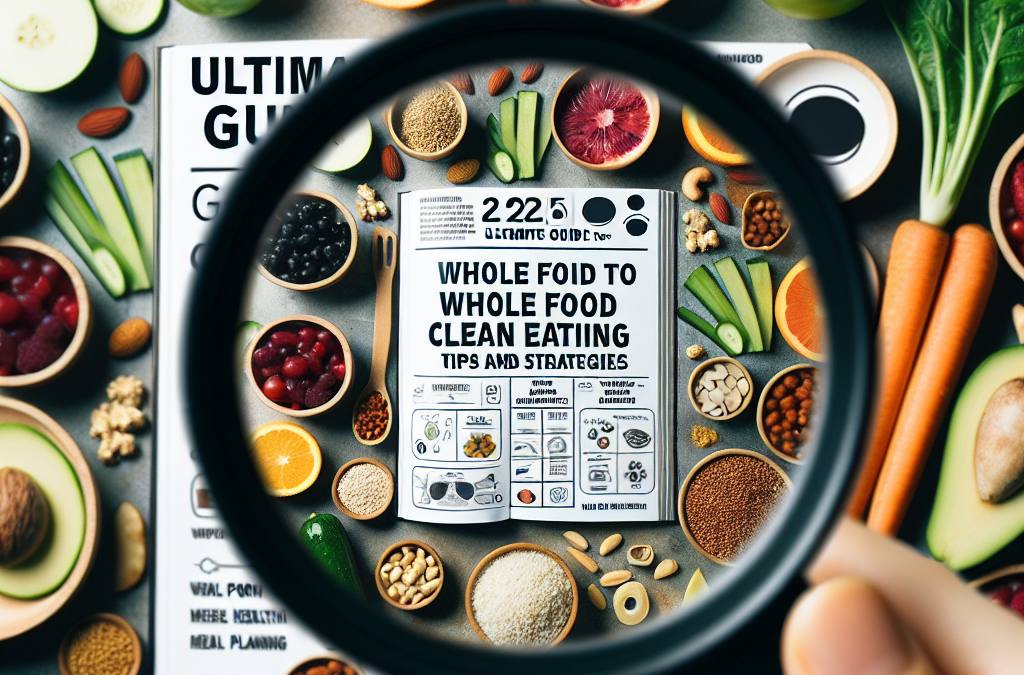
Whole foods support sustainable weight loss by providing nutrient-dense options that enhance satiety, balance blood sugar levels, and reduce cravings. They promote a healthier metabolism and overall well-being, making it easier to maintain weight loss over time.
Choosing whole foods helps mitigate many common pitfalls in weight loss efforts. For example, processed foods can lead to spikes in blood sugar, triggering cravings and overeating. Whole foods, on the other hand, typically have a lower glycemic index, promoting stable energy levels and decreasing hunger. This is crucial for anyone looking to achieve long-term weight loss success.
The Role of Whole Foods in Weight Management
Whole foods play a critical role in weight management due to their high nutrient density and low energy density. Foods such as fruits, vegetables, whole grains, nuts, and seeds provide essential vitamins and minerals while being lower in calories compared to processed foods. This allows individuals to consume larger portions without exceeding calorie limits, making it easier to feel full.
Incorporating a variety of whole foods into your diet not only supports weight loss but also improves overall health. Whole foods are rich in fiber, which aids digestion and promotes a feeling of fullness. Additionally, they often contain healthy fats and proteins that contribute to satiety, making it less likely for individuals to overeat. Prioritizing these foods can lead to more sustainable weight loss results.
Practical Tips for Incorporating Whole Foods
To effectively incorporate whole foods into your diet, start by focusing on fresh, seasonal produce. Aim to fill half your plate with fruits and vegetables at each meal. Whole grains, such as quinoa and brown rice, can replace refined grains, providing more fiber and nutrients.
Meal prepping can also facilitate the inclusion of whole foods. By preparing meals in advance, you can ensure that healthy options are readily available, reducing the temptation to opt for processed snacks. Additionally, experimenting with new recipes can make whole foods more appealing and enjoyable.
Common Mistakes to Avoid
A common mistake when transitioning to a whole food diet is not planning meals effectively. Without a plan, individuals may find themselves reverting to processed foods for convenience. It’s crucial to have a strategy that includes shopping lists and meal ideas tailored to whole foods.
Another pitfall is assuming that all foods labeled as ‘natural’ or ‘healthy’ are whole foods. Many products still contain added sugars and preservatives. Reading labels carefully and prioritizing unprocessed options is essential to truly benefit from whole foods.
Real-World Examples of Success
Many individuals have successfully lost weight and improved their health by adopting a whole food diet. For instance, a case study of a participant in a community wellness program highlighted how replacing processed snacks with whole fruits and nuts led to a 15-pound weight loss within three months. This individual reported increased energy levels and reduced cravings, showcasing the real-world benefits of whole foods.
Huge Discount on the Best Certified Organic Whole Food Supplement!
These success stories illustrate that the shift towards whole foods not only aids in weight loss but also fosters a healthier relationship with food. By focusing on whole food options, individuals can create a more satisfying and sustainable dietary pattern.
Further Reading
Authoritative Sources
- Whole Foods and Their Role in Weight Management
ncbi.nlm.nih.govThis study explores the impact of whole foods on weight management and overall health
- The Benefits of Whole Foods
eatright.orgA comprehensive overview of why whole foods are beneficial for weight loss and health
Frequently Asked Questions
What are whole foods?
Whole foods are unprocessed or minimally processed foods that are free from additives, such as fruits, vegetables, whole grains, nuts, and seeds.
How do whole foods help with weight loss?
Whole foods are nutrient-dense and low in calories, which helps promote satiety and reduces overall calorie intake.
Can I still lose weight eating whole foods?
Yes, many people successfully lose weight by focusing on whole foods, as they provide essential nutrients without excess calories.
Are all natural foods considered whole foods?
No, not all natural foods are whole foods. Some processed items labeled as ‘natural’ may still contain added sugars and preservatives.
What are some examples of whole foods?
Examples include fresh fruits and vegetables, legumes, whole grains, nuts, seeds, and unprocessed meats or fish.
Huge Discount on the Best Certified Organic Whole Food Supplement!
Related Content
- How Whole Foods Support Natural Detox Pathways: Effective Foods for Enhanced Body Cleansing
- Maximizing Efficiency: Discover The Whole Food Diet Benefits for Busy Professionals
- Empower Your Wellness: The Role of Whole Foods in Supporting Natural Detox Pathways
- Elevate Your Cardiovascular Health with The Top Whole Foods for Heart Health Support
- The Ultimate Guide to 10 Effective Organic Whole Food Breakfast Ideas for 2025