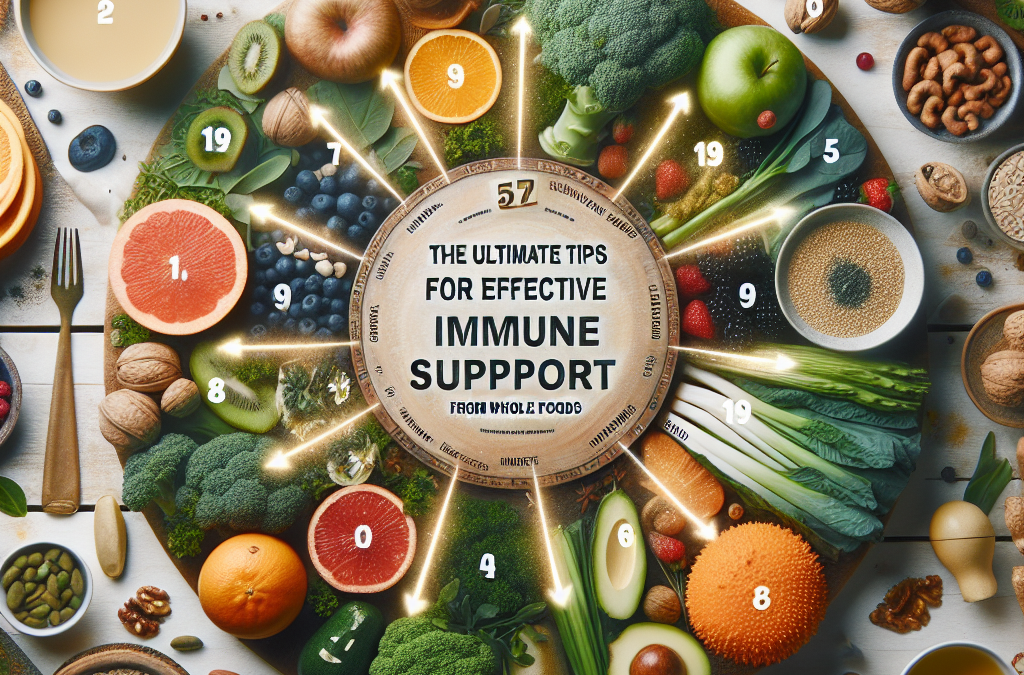
Whole foods are integral to sustainable weight loss because they offer high nutritional value without excessive calories. Unlike processed foods, which may contain added sugars and unhealthy fats, whole foods like fruits, vegetables, whole grains, and lean proteins are nutrient-dense, helping to keep you full and satisfied.
When focusing on sustainable weight loss, it’s crucial to understand the role of whole foods in enhancing satiety and stabilizing blood sugar levels. Foods high in fiber, such as legumes, whole grains, and vegetables, slow digestion and promote a feeling of fullness, which can prevent overeating. Additionally, whole foods tend to have a lower glycemic index, which helps maintain steady blood sugar levels and reduces cravings, making it easier to manage your weight.
A common mistake people make is relying on fad diets that eliminate entire food groups or focus on calorie restriction. Instead, prioritizing whole foods allows for a more balanced diet, reducing the risk of nutrient deficiencies. Moreover, incorporating a variety of whole foods ensures that your meals are not only healthy but also enjoyable, making it easier to stick to your weight loss goals over the long term.

Understanding Whole Foods and Weight Loss
Whole foods are minimally processed and free from artificial additives. They include fruits, vegetables, whole grains, nuts, seeds, and lean proteins. These foods are not only lower in calories but also rich in essential nutrients, making them ideal for anyone looking to lose weight sustainably. By focusing on whole foods, you can create a caloric deficit without feeling deprived, as these foods are more filling and satisfying than their processed counterparts.
Moreover, whole foods can influence your body’s metabolism positively. Foods high in fiber require more energy to digest, which can boost your overall calorie expenditure. Additionally, whole foods often contain healthy fats and proteins that promote muscle maintenance during weight loss, ensuring that the weight you lose comes from fat rather than lean muscle mass.
It’s essential to prioritize whole foods over processed options, as many packaged foods are engineered to be hyper-palatable, making them easy to overconsume. By choosing whole foods, you can regain control over your eating habits and make more mindful decisions about your diet.
Key Whole Foods for Weight Management
Incorporating a variety of whole foods into your diet can significantly enhance your weight loss efforts. Some of the best options include:
- Fruits and Vegetables: These are high in fiber and low in calories, making them perfect for filling up without overindulging.
- Whole Grains: Foods like brown rice, quinoa, and oats provide sustained energy and help maintain blood sugar levels.
- Lean Proteins: Sources such as chicken, fish, beans, and legumes are crucial for muscle maintenance and can increase feelings of fullness.
- Nuts and Seeds: Though calorie-dense, they are packed with nutrients and healthy fats, which can help curb hunger when eaten in moderation.
By including these key food groups in your meals, you can create balanced plates that not only support weight loss but also promote overall health. It’s essential to focus on variety and moderation to avoid dietary boredom and ensure you get a wide range of nutrients.
Practical Strategies for Incorporating Whole Foods
To effectively incorporate whole foods into your diet, consider these practical strategies:
- Meal Prep: Preparing meals in advance can help you stay committed to your whole food diet. Cook large batches of whole grains and roast a variety of vegetables to have on hand.
- Make Simple Swaps: Replace processed snacks with whole food options like fruits, nuts, or yogurt to satisfy cravings without adding empty calories.
- Focus on Color: Aim to include a rainbow of fruits and vegetables on your plate. This not only makes meals visually appealing but also ensures a diverse nutrient intake.
By implementing these strategies, you can make whole foods a staple in your diet while enjoying the process. The key is consistency; over time, these habits will lead to sustainable weight loss and improved health.
Avoiding Common Pitfalls in Whole Food Diets
While whole foods are beneficial, there are some common pitfalls to avoid. One major mistake is assuming that all whole foods are low in calories. For instance, nuts and avocados, while healthy, are high in calories and can lead to weight gain if consumed in excess. It’s essential to practice portion control even with whole foods.
Another pitfall is neglecting to diversify your diet. Relying too heavily on a limited range of whole foods can result in nutrient deficiencies and make dieting feel monotonous. It’s crucial to explore different whole foods and recipes to keep meals exciting and nutritionally balanced.
Huge Discount on the Best Certified Organic Whole Food Supplement!
Lastly, be cautious of labeling foods as “healthy” based solely on their whole food status. Always check for added sugars, sodium, and unhealthy fats that can sneak into seemingly healthy options. Reading labels and being mindful of ingredient lists is vital for maintaining a healthy diet.
Further Reading
Authoritative Sources
- Academy of Nutrition and Dietetics
eatright.orgThis resource provides evidence-based information on nutrition and healthy eating, making it useful for understanding the benefits of whole foods
- ChooseMyPlate.gov
choosemyplate.govOffers guidelines for building a healthy plate with whole foods and understanding portion sizes
- Harvard T.H. Chan School of Public Health
hsph.harvard.eduProvides detailed insights into healthy eating patterns and the role of whole foods in a balanced diet
- Nutrition.gov
nutrition.govA government resource that offers reliable information on nutrition, including the benefits of whole foods
Frequently Asked Questions
What are whole foods?
Whole foods are natural foods that are minimally processed and free from artificial ingredients. They include fruits, vegetables, whole grains, nuts, seeds, and lean proteins.
How do whole foods aid in weight loss?
Whole foods are nutrient-dense and low in calories, which helps to reduce caloric intake while providing essential nutrients. They also promote satiety and stabilize blood sugar levels.
Can I eat too many whole foods?
Yes, even whole foods can contribute to weight gain if consumed in excessive quantities. It’s important to practice portion control, especially with calorie-dense foods like nuts and avocados.
What are some easy ways to include whole foods in my diet?
Meal prep, making simple swaps for snacks, and incorporating a variety of colorful fruits and vegetables are effective strategies to include more whole foods in your diet.
Are all whole foods healthy?
No, not all whole foods are automatically healthy. It’s essential to check for added sugars, sodium, and unhealthy fats in products that may be labeled as whole foods.
Conclusion
Whole foods play a crucial role in achieving sustainable weight loss by providing essential nutrients while helping to control hunger and stabilize blood sugar levels. To effectively incorporate whole foods into your diet, focus on variety, portion control, and meal preparation. Avoid common pitfalls such as overconsumption and monotony in your food choices. By prioritizing whole foods and maintaining a balanced approach, you can successfully reach and maintain your weight loss goals, leading to a healthier lifestyle.
Huge Discount on the Best Certified Organic Whole Food Supplement!
Related Content
- Building Better Brain Health
- Why Whole Foods Improve Energy Without Caffeine: The Best Nutrient-Dense Choices for Sustained Vitality
- How Whole Foods Support Sustainable Weight Loss: Key Strategies and Effective Choices
- The Ultimate Guide to Whole Food Plant Nutrition: 10 Effective Strategies for 2025
- Whole Foods and Blood Sugar: The Natural Path to Stabilizing Your Levels