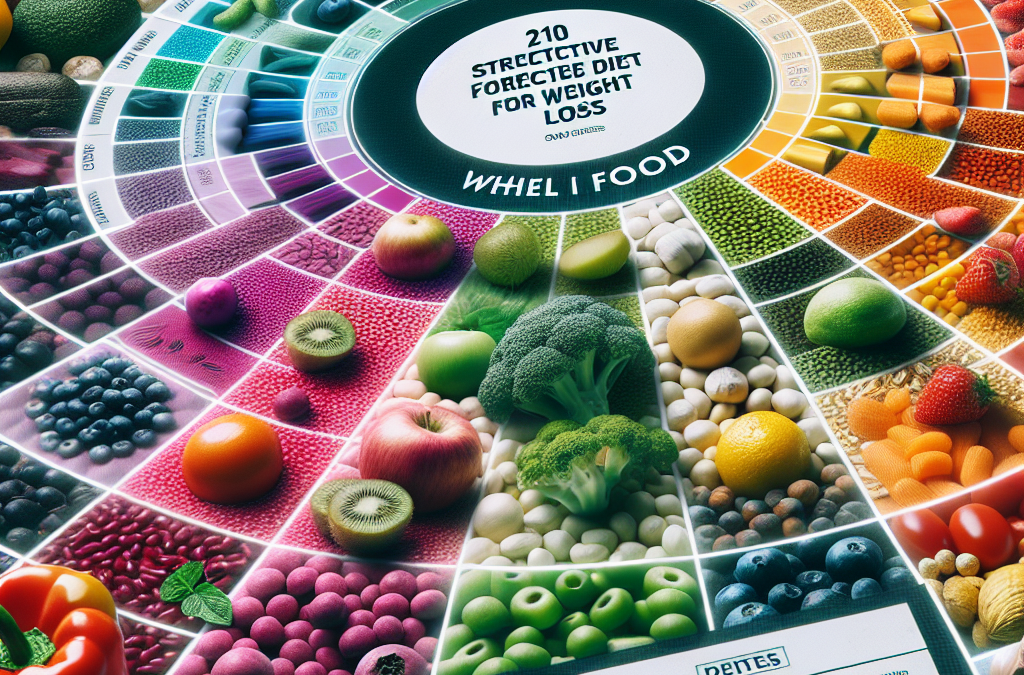
Organic whole foods that support consistent blood sugar include a variety of nutrient-dense options such as nuts, seeds, whole grains, legumes, and low-glycemic fruits. These foods are beneficial because they help stabilize energy levels by slowing down the absorption of glucose into the bloodstream.
Choosing the right organic whole foods is essential for maintaining balanced blood sugar levels. Many people overlook the importance of glycemic index when selecting foods, which refers to how quickly a food raises blood sugar. Incorporating foods with a low glycemic index can significantly improve blood sugar management. Furthermore, understanding the balance of macronutrients—carbohydrates, proteins, and fats—is crucial for creating meals that support overall health.
Another common mistake is relying solely on processed health foods that are marketed as ‘sugar-free’ or ‘low-carb.’ Often, these options can contain hidden sugars or unhealthy ingredients that may disrupt blood sugar stability. Instead, focusing on whole, unprocessed organic foods will provide the necessary nutrients without the added sugar and unhealthy fats.

Understanding Glycemic Index and Its Importance
The glycemic index (GI) is a ranking of carbohydrates in food based on their immediate effect on blood glucose levels. Foods with a low GI are digested and absorbed more slowly, leading to a gradual rise in blood sugar rather than a spike. Understanding GI is essential for those looking to maintain steady energy levels throughout the day. Low-GI foods tend to promote satiety, which can help prevent overeating and aid in weight management.
Incorporating low-GI foods into your diet can lead to better blood sugar management, particularly for individuals with insulin resistance or those at risk for type 2 diabetes. Examples of low-GI foods include whole grains, legumes, and most fruits and vegetables. By prioritizing these foods, you can effectively manage your blood sugar levels while enjoying a diverse and satisfying diet.
It’s important to note that the glycemic index can be influenced by factors such as food preparation and ripeness. For example, cooking pasta al dente can lower its GI compared to overcooking it. Therefore, learning how to prepare foods in ways that maintain their low GI can be beneficial.
Top Organic Whole Foods for Blood Sugar Control
Several organic whole foods are particularly effective at supporting consistent blood sugar levels. These include:
- Nuts and Seeds: Almonds, walnuts, chia seeds, and flaxseeds are excellent sources of healthy fats, fiber, and protein, which help slow down glucose absorption.
- Whole Grains: Quinoa, barley, and brown rice are rich in fiber and have a low glycemic index, making them ideal for stable energy levels.
- Legumes: Lentils, chickpeas, and black beans provide protein and fiber, promoting a gradual release of glucose into the bloodstream.
- Low-Glycemic Fruits: Berries, cherries, and apples are nutrient-dense options that can satisfy sweet cravings without causing blood sugar spikes.
Incorporating these foods regularly into your meals can enhance your overall nutrient intake while supporting stable blood sugar levels. For instance, starting your day with a bowl of oatmeal topped with berries and nuts can provide sustained energy throughout the morning.
When selecting organic whole foods, look for those that are minimally processed and free of additives. This ensures that you are consuming the highest quality nutrients and avoiding hidden sugars that can lead to fluctuations in blood sugar.
Meal Planning with Organic Whole Foods
Effective meal planning is crucial for maintaining consistent blood sugar levels. When planning meals, aim for a balance of macronutrients by incorporating proteins, healthy fats, and complex carbohydrates. For example, a meal could consist of grilled chicken (protein), quinoa (complex carbohydrate), and a side of steamed broccoli (fiber and nutrients).
Consider preparing meals in advance to avoid the temptation of processed foods. Batch cooking grains, legumes, and proteins can save time during the week and ensure you have healthy options readily available. Additionally, incorporating a variety of colors on your plate can help provide a range of nutrients and keep meals interesting.
Be mindful of portion sizes as well. Even healthy foods can contribute to weight gain if consumed in excess. Using smaller plates and measuring out servings can help maintain appropriate portion sizes, aiding in blood sugar control.
Huge Discount on the Best Certified Organic Whole Food Supplement!
Common Mistakes When Choosing Foods
Many individuals make mistakes when selecting foods that can negatively impact blood sugar management. One common pitfall is assuming that all organic foods are automatically healthy. While organic foods are often free from synthetic pesticides and fertilizers, they can still be high in sugar or unhealthy fats.
Another mistake is neglecting to read food labels. Many packaged foods labeled as ‘healthy’ can contain added sugars that can disrupt blood sugar levels. Always check the ingredient list for hidden sugars and opt for whole, unprocessed foods whenever possible.
Finally, failing to consider how food combinations affect blood sugar can lead to poor choices. For example, pairing a high-GI food with a source of protein or fat can mitigate its impact on blood sugar levels. Understanding how to combine foods effectively can enhance overall blood sugar management.
Further Reading
Authoritative Sources
- American Diabetes Association: Nutrition
diabetes.orgThis resource offers comprehensive nutrition guidelines and recipes for managing diabetes through dietary choices
- Dietary Approaches to Prevent and Manage Type 2 Diabetes
ncbi.nlm.nih.govA research article discussing the role of diet in diabetes prevention and management, emphasizing whole foods
- Harvard T.H. Chan School of Public Health: Healthy Eating Plate
hsph.harvard.eduThis guide provides visual recommendations for balanced meals and nutritional choices
Frequently Asked Questions
What are the best organic whole foods for blood sugar control?
Some of the best organic whole foods for blood sugar control include nuts, seeds, whole grains, legumes, and low-glycemic fruits.
How does the glycemic index affect blood sugar levels?
The glycemic index (GI) measures how quickly carbohydrates in food raise blood sugar levels. Foods with a low GI lead to a slower, more gradual increase in blood sugar.
Can I eat fruit if I have blood sugar issues?
Yes, you can eat fruit, but it’s best to choose low-glycemic options such as berries, cherries, and apples to minimize blood sugar spikes.
What are common mistakes to avoid when managing blood sugar?
Common mistakes include assuming all organic foods are healthy, neglecting food labels, and not considering food combinations that affect blood sugar levels.
How can meal planning help with blood sugar control?
Meal planning helps by ensuring balanced meals with proteins, healthy fats, and complex carbohydrates, reducing the temptation for unhealthy, processed foods.
Conclusion
Incorporating organic whole foods that support consistent blood sugar is essential for maintaining stable energy levels and overall health. Focus on low-glycemic options like nuts, seeds, whole grains, and legumes while planning balanced meals. Avoid common mistakes such as overlooking food labels and assuming all organic foods are healthy. By prioritizing whole, unprocessed foods and being mindful of portion sizes and food combinations, you can effectively manage your blood sugar levels and improve your well-being.
Huge Discount on the Best Certified Organic Whole Food Supplement!
Related Content
- The Surprising Benefits of a Whole Food Lifestyle: Practical Steps for Enhanced Well-Being
- How Whole Foods Help Strengthen Immunity Fast: Essential Nutrients and Dietary Choices
- The Surprising Impact of Whole Foods on Appetite Regulation
- Navigating Gut Health: How Whole Foods Help With Digestive Issues Effectively
- Why Whole Foods Improve Long-Term Wellness: Key Nutrients and Their Impact on Health