
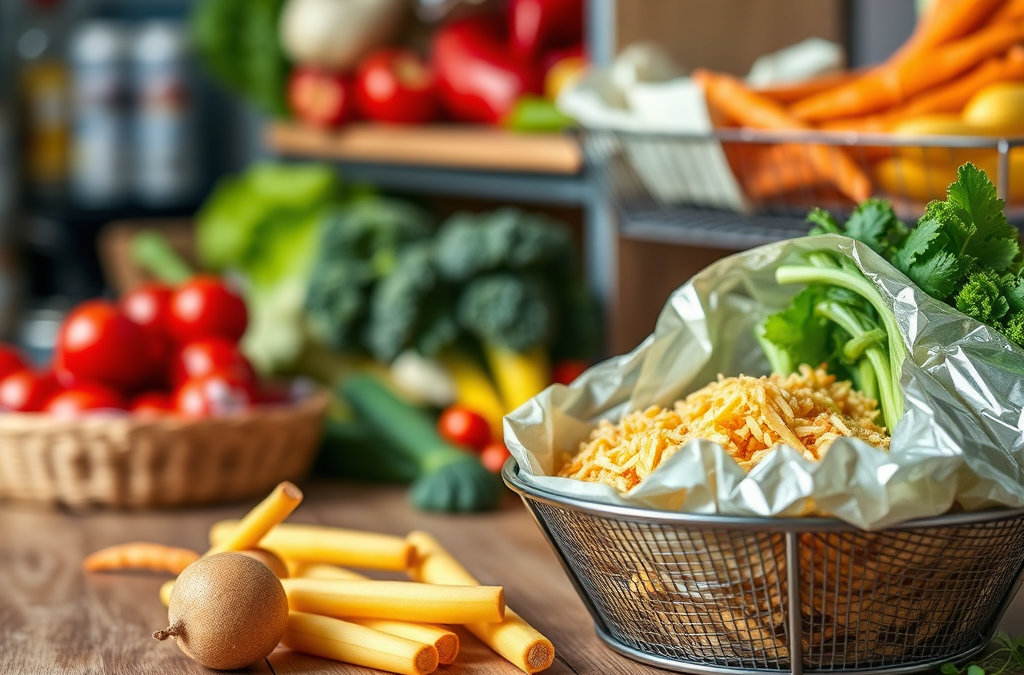
Safety concerns with unprocessed whole foods primarily revolve around contamination risks and improper handling practices. Contaminants such as bacteria, pesticides, and pathogens can be present on fresh produce, making it essential to wash fruits and vegetables thoroughly before consumption. To reduce the risk of foodborne illnesses, consumers should also practice proper storage techniques, such as keeping produce at appropriate temperatures and avoiding cross-contamination with raw meats. Additionally, selecting items free from bruises or blemishes can help prevent pathogens from entering the food. By understanding these risks and implementing safe handling practices, individuals can enjoy the health benefits of whole foods while minimizing potential dangers.
Understanding Contamination Risks
Unprocessed whole foods, while often praised for their health benefits, can pose significant contamination risks if not handled correctly. Contaminants such as bacteria, pesticides, and pathogens can be present on the surface of fruits and vegetables. For instance, leafy greens like spinach and lettuce have been linked to outbreaks of E. coli and Salmonella due to improper handling and washing practices. Understanding these risks is crucial for anyone looking to incorporate more whole foods into their diet.
To minimize contamination, consumers should be aware of the sources of these risks. Bacteria can originate from soil, water, or even during handling at grocery stores. Pesticide residues, while regulated, can still be found on produce unless adequately washed. Ensuring that produce is thoroughly rinsed under running water and, if necessary, scrubbed with a brush can significantly reduce these risks. Proper storage techniques, such as keeping produce at the correct temperatures and avoiding cross-contamination with raw meats, are also essential.
Proper Handling and Storage Techniques
Handling and storage practices are vital in preserving the safety and quality of unprocessed whole foods. When purchasing fresh produce, it is essential to select items that are free from bruises and blemishes, as these can be entry points for pathogens. Once at home, washing hands before preparing food and using clean utensils can further minimize the risk of contamination.
For storage, it is crucial to keep fruits and vegetables separate from raw meats to avoid cross-contamination. Additionally, certain produce items require specific storage conditions; for instance, apples should be stored in a cool, dark place to extend freshness, while leafy greens benefit from being kept in a crisper drawer. Understanding these storage requirements can help maintain the nutritional value and safety of whole foods.
Common Misconceptions About Whole Foods
There are several misconceptions regarding unprocessed whole foods that can lead to safety concerns. One prevalent belief is that all unprocessed foods are automatically safer and healthier than processed options. However, this is not always true. For example, organic produce can still harbor harmful bacteria if not properly washed. Additionally, some individuals may assume that because a food is unprocessed, it does not need to be stored or handled with care.
Such assumptions can lead to dangerous situations. It is essential to recognize that unprocessed does not equate to risk-free. Consumers must remain vigilant about food safety practices, regardless of whether a food is processed or whole. Awareness of these misconceptions can empower individuals to make more informed choices about their diets.
Practical Tips for Safe Consumption
To ensure the safe consumption of unprocessed whole foods, several practical tips can be implemented. First, always wash produce thoroughly under running water, even if you plan to peel it. This practice helps remove dirt and bacteria that may be present on the surface. Second, consider using a vinegar solution for washing fruits and vegetables, as it can help eliminate pesticide residues and further reduce bacteria.
Additionally, it is advisable to consume whole foods within a reasonable timeframe to prevent spoilage. Items like berries and leafy greens have a shorter shelf life compared to sturdier produce like carrots and potatoes. Keeping a checklist of safe handling practices and storage conditions can aid in maintaining food safety and maximizing the health benefits of unprocessed whole foods.
Frequently Asked Questions
What are the main safety concerns with unprocessed whole foods?
The main safety concerns include contamination from bacteria, improper handling, and pesticide residues that can pose health risks if not addressed.
How can I safely wash fruits and vegetables?
Wash fruits and vegetables under running water, using a brush for firm produce, and consider a vinegar solution for additional cleaning.
Do organic whole foods require special handling?
Yes, while organic foods may have fewer pesticides, they still require proper washing and handling to reduce contamination risks.
What is the best way to store unprocessed whole foods?
Store whole foods in a cool, dry place, keep them separate from raw meats, and follow specific storage guidelines for different types of produce.
How can I tell if my produce is spoiled?
Signs of spoilage include changes in color, texture, and smell, as well as the presence of mold or excessive softness.
Further Reading
Huge Discount on the Best Certified Organic Whole Food Supplement!
Further Reading
Authoritative Sources
- Library of Congress Research Guides
guides.loc.govResearch guides that help readers locate reliable background sources on a wide range of subjects.
- USA.gov Official Information and Services
usa.govOfficial U.S. government information and public resources for practical reference.
- Google Scholar
scholar.google.comAcademic search resource for finding research literature and source material.

