by Daphne Everett | Mar 25, 2026 | Organic Whole Food
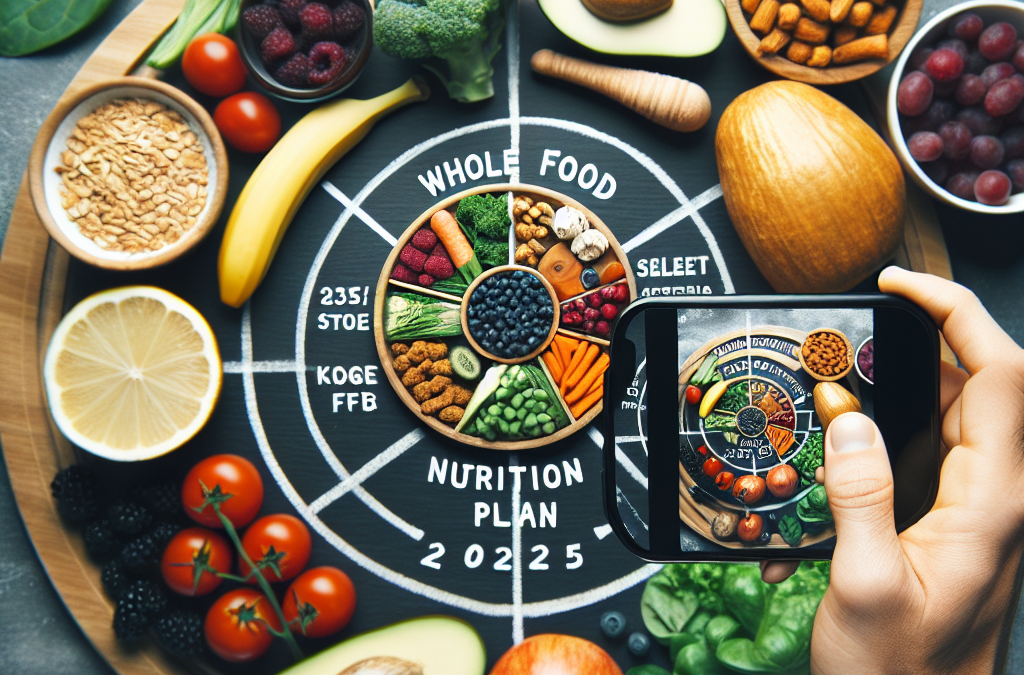
Avoiding overeating on a whole food diet requires a strategic approach that emphasizes nutrient-dense foods and effective portion control. Whole foods, which include fruits, vegetables, whole grains, and legumes, are typically more filling than processed foods,...

by Daphne Everett | Mar 25, 2026 | Organic Whole Food
Staying consistent with a whole food diet long term involves adopting practical strategies such as meal planning, understanding portion control, and being mindful of food choices. Common pitfalls include a lack of preparation, emotional eating, and neglecting to...
by Daphne Everett | Mar 25, 2026 | Organic Whole Food
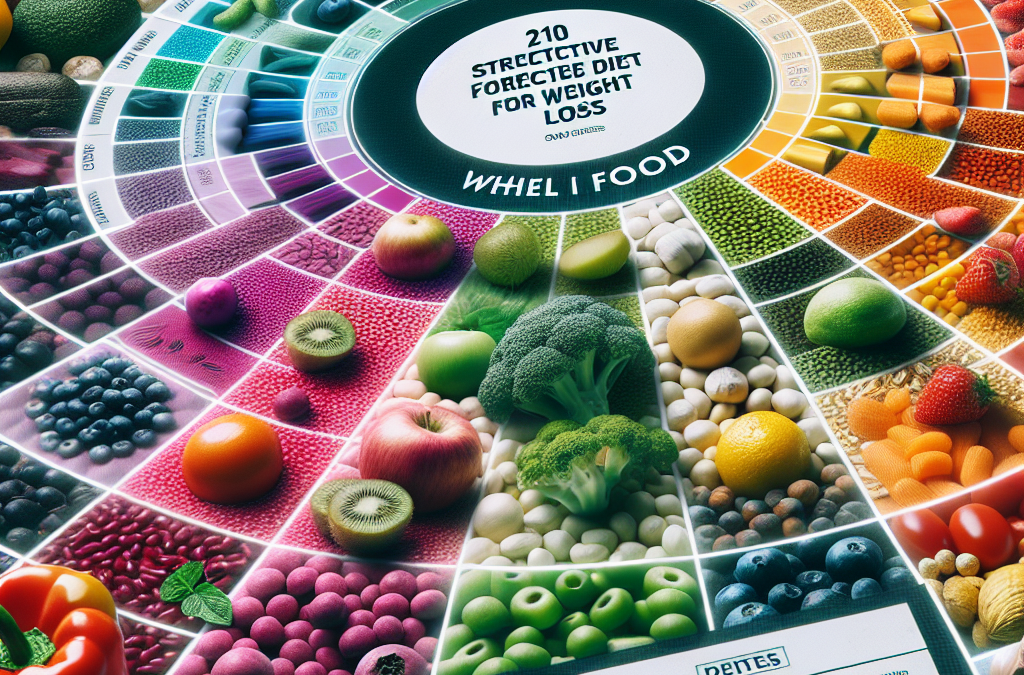
Balancing macros on a whole food diet involves distributing your intake of proteins, fats, and carbohydrates from unprocessed food sources. This approach maximizes nutrient density while supporting overall health and wellness. Understanding the right balance is...

by Daphne Everett | Mar 25, 2026 | Organic Whole Food
Balancing protein on a whole food diet involves incorporating a variety of protein sources from whole foods such as legumes, nuts, seeds, whole grains, and animal products. This approach ensures adequate protein intake while maximizing nutrient density and minimizing...

by Daphne Everett | Mar 25, 2026 | Organic Whole Food
Hunger spikes on a whole food diet can be attributed to various factors, including nutritional imbalances, meal timing, and food composition. Foods high in fiber and protein can help stabilize blood sugar levels, while inadequate calorie intake or excessive reliance...