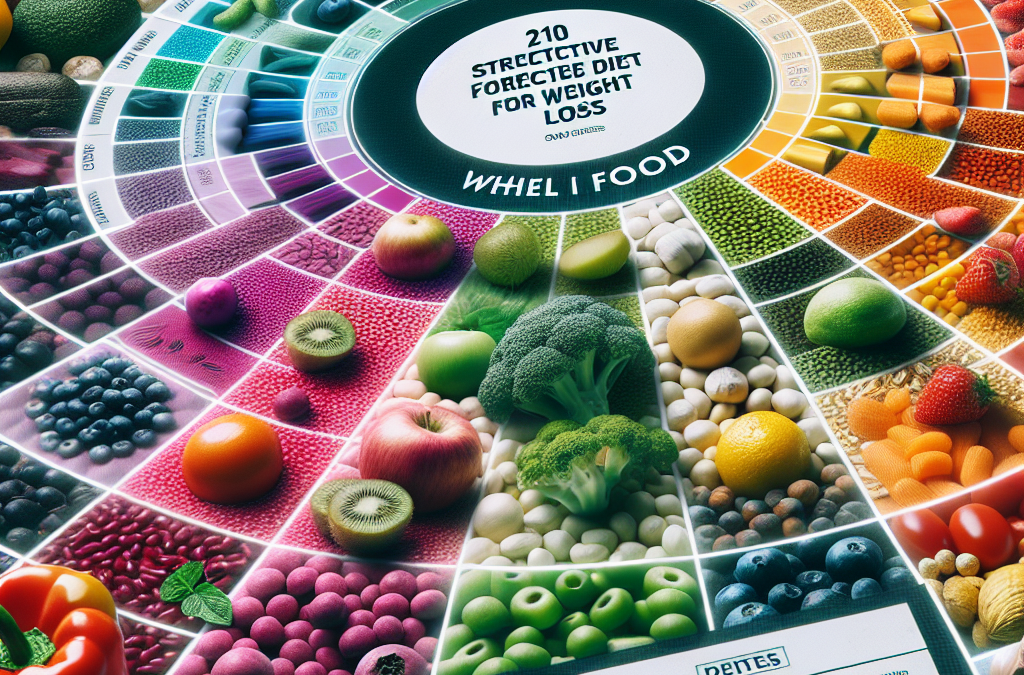
The best whole foods for anti-inflammatory benefits include turmeric, fatty fish, berries, leafy greens, and nuts. These foods are rich in antioxidants, omega-3 fatty acids, and essential vitamins that help combat inflammation in the body.
Understanding the role of these foods is crucial, as chronic inflammation is linked to numerous health conditions, including heart disease, diabetes, and arthritis. By choosing the right whole foods, you can not only manage inflammation but also improve your overall health. For instance, omega-3 fatty acids found in fish like salmon are known to directly reduce inflammation markers in the body. Similarly, antioxidants in berries help neutralize free radicals that can cause oxidative stress, further contributing to inflammation.
Moreover, it is important to recognize common pitfalls such as relying solely on supplements instead of whole foods. Whole foods provide a synergistic effect of nutrients that supplements cannot replicate. Prioritizing a balanced diet rich in these foods can lead to better long-term health outcomes. Aim to include a variety of these foods in your meals to maximize their anti-inflammatory effects.
Turmeric: The Golden Spice
Turmeric is renowned for its active compound, curcumin, which has powerful anti-inflammatory properties. It has been shown to inhibit inflammatory pathways in the body, making it a staple for anyone looking to reduce inflammation naturally. Regular consumption can lead to significant health improvements.
Including turmeric in your meals can be as simple as adding it to soups, stews, or smoothies. However, it is important to note that curcumin is not easily absorbed in the body. Pairing turmeric with black pepper enhances its bioavailability, making it more effective. Additionally, consider using it in conjunction with healthy fats, like olive oil, to improve absorption further.
One common mistake is to underestimate the power of turmeric due to its mild flavor. However, its benefits are substantial, and incorporating it regularly can lead to noticeable improvements in inflammatory markers. Aim to consume it daily to reap its full benefits.
Fatty Fish: Omega-3 Powerhouses
Fatty fish, such as salmon, sardines, and mackerel, are rich sources of omega-3 fatty acids, which are essential for reducing inflammation. These healthy fats play a critical role in heart health and can lower blood pressure and cholesterol levels.
When choosing fish, opt for wild-caught varieties when possible, as they often have higher omega-3 content compared to farmed fish. Incorporating fatty fish into your diet at least two times a week can significantly lower inflammation levels in the body. Grilling or baking fish retains its healthy properties without adding unnecessary fats.
A common pitfall is neglecting the importance of portion size and preparation methods. Overcooking fish can diminish its omega-3 content. Therefore, aim for moderate portions and simple cooking methods to maintain its health benefits.
Berries: Antioxidant-Rich Fruits
Berries, including blueberries, strawberries, and blackberries, are packed with antioxidants that help fight inflammation. These fruits are not only delicious but also versatile, making them an excellent addition to breakfast, snacks, or desserts.
The high levels of anthocyanins in berries are particularly effective in reducing inflammatory markers. Incorporating a variety of berries into your diet can enhance your antioxidant intake. Consider adding them to smoothies, salads, or oatmeal for a nutritious boost.
Many people overlook the benefits of frozen berries, which often retain their nutritional value and can be more convenient. Prioritize including a mix of fresh and frozen berries to diversify your nutrient intake throughout the year.
Huge Discount on the Best Certified Organic Whole Food Supplement!
Leafy Greens: Nutrient-Dense Vegetables
Leafy greens, such as spinach, kale, and Swiss chard, are essential for their anti-inflammatory benefits. They are rich in vitamins, minerals, and fiber, making them incredibly beneficial for overall health.
To maximize the benefits of leafy greens, incorporate them into salads, smoothies, or as side dishes. Steaming or lightly sautéing can enhance their digestibility while maintaining their nutrient profile. Additionally, combining them with healthy fats, like avocado or olive oil, can further boost nutrient absorption.
A common mistake is to consume leafy greens only in limited quantities. Aim to fill half your plate with vegetables at each meal to fully benefit from their anti-inflammatory properties. Regular consumption is key to achieving optimal health.
Nuts: Healthy Fats and Proteins
Nuts, such as walnuts, almonds, and pistachios, are excellent sources of healthy fats, fiber, and protein. They are known to reduce inflammation and improve heart health due to their high content of monounsaturated fats and omega-3 fatty acids.
Incorporating a variety of nuts into your diet can provide a range of nutrients. Consider using them as snacks, toppings for salads, or blended into smoothies. However, be mindful of portion sizes, as nuts are calorie-dense and can contribute to weight gain if consumed excessively.
A key consideration is the type of nuts you choose. Opt for raw or dry-roasted nuts without added sugars or oils to ensure you are maximizing their health benefits. Regular consumption of nuts can be a simple yet effective way to combat inflammation.
Further Reading
Authoritative Sources
- MedlinePlus
medlineplus.govConsumer-friendly medical and health information from the U.S. National Library of Medicine.
- National Institutes of Health
nih.govResearch-based health information and links to authoritative medical resources.
- Centers for Disease Control and Prevention
cdc.govOfficial public health guidance, prevention resources, and topic-specific recommendations.
- Mayo Clinic
mayoclinic.orgTrusted clinical guidance, symptom explainers, and treatment overviews.
- World Health Organization
who.intGlobal health guidance, fact sheets, and evidence-based public health information.
Frequently Asked Questions
What are the top whole foods that reduce inflammation?
The top whole foods include turmeric, fatty fish, berries, leafy greens, and nuts, all known for their anti-inflammatory properties.
How does turmeric help with inflammation?
Turmeric contains curcumin, which has potent anti-inflammatory effects by inhibiting inflammatory pathways in the body.
Can I get omega-3 fatty acids from plant sources?
Yes, you can obtain omega-3 fatty acids from plant sources like flaxseeds, chia seeds, and walnuts, although they contain ALA, which is less potent than EPA and DHA found in fish.
How often should I eat fatty fish for anti-inflammatory benefits?
It is recommended to eat fatty fish at least two times a week to effectively reduce inflammation levels in the body.
Are frozen berries as nutritious as fresh ones?
Yes, frozen berries often retain their nutritional value and can be a convenient alternative to fresh berries when they are out of season.
Conclusion
Incorporating the best whole foods for anti-inflammatory benefits into your diet is a proactive step towards better health. Focus on a variety of foods like turmeric, fatty fish, berries, leafy greens, and nuts to combat inflammation effectively. Prioritize whole foods over supplements for optimal absorption and synergy of nutrients. Remember to maintain a balanced diet and be mindful of portion sizes to maximize the health benefits. By making these dietary changes, you can significantly improve your overall health and reduce the risk of chronic inflammation-related diseases.
Huge Discount on the Best Certified Organic Whole Food Supplement!
Related Content
- Discover the Secrets of How Whole Foods Help Lower Cholesterol Naturally and Transform Your Health
- Whole Foods for Reducing Acne and Improving Skin Health
- How Whole Foods Improve Skin Health: Essential Foods and Nutrients for Radiant Skin
- How Whole Foods Support Brain Health: Essential Nutrients and Their Impact
- The Whole Food Diet Benefits for Beginners: Essential Foods and Practical Tips