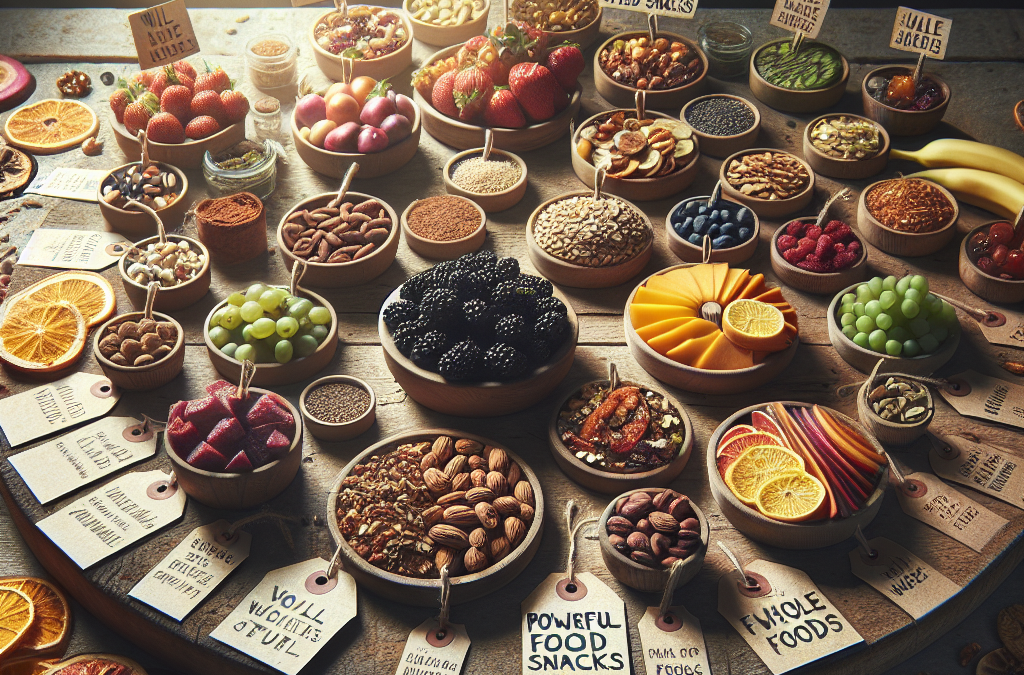
The best whole foods for anti-inflammatory benefits include leafy greens, berries, fatty fish, nuts, and olive oil. These foods are rich in antioxidants and omega-3 fatty acids, which help combat inflammation in the body.
Understanding the mechanisms behind inflammation is crucial for making dietary choices that support your health. Inflammation is a natural response of the body to injury or infection, but chronic inflammation can lead to various health issues, including heart disease, diabetes, and arthritis. By choosing the right foods, you can help manage inflammation and enhance your overall well-being.
Many individuals mistakenly believe that all fats are harmful or that they should avoid carbohydrates entirely. However, healthy fats from sources like olive oil and omega-3s from fish are essential for reducing inflammation. Prioritizing whole, nutrient-dense foods over processed options is key to achieving the anti-inflammatory benefits you’re seeking.
Leafy Greens: Nutrient Powerhouses
Leafy greens such as spinach, kale, and Swiss chard are some of the best whole foods for combating inflammation. They are packed with vitamins A, C, and K, as well as antioxidants that help reduce oxidative stress in the body.
Incorporating these greens into your meals can be simple. Consider adding them to smoothies, salads, or stir-fries. The key is to consume a variety of greens to maximize their health benefits and ensure you’re getting a broad spectrum of nutrients.
One common mistake is not varying the types of greens consumed. Each type offers unique benefits, so rotating between different greens can enhance your anti-inflammatory diet. Aim for at least one serving of leafy greens per day.
Berries: Antioxidant-Rich Choices
Berries, including blueberries, strawberries, and blackberries, are excellent choices for fighting inflammation due to their high levels of antioxidants, particularly anthocyanins.
These antioxidants help reduce inflammation by neutralizing free radicals in the body. Enjoy berries as a snack, in smoothies, or as a topping for yogurt or oatmeal to reap their benefits.
A frequent oversight is consuming berries in processed forms, such as jams or sugary desserts. Fresh or frozen berries are the best options to retain their health benefits. Aim for a handful of berries several times a week for optimal results.
Fatty Fish: Omega-3 Sources
Fatty fish like salmon, mackerel, and sardines are known for their high omega-3 fatty acid content, which is crucial for reducing inflammation.
Regular consumption of fatty fish can lead to lower levels of inflammatory markers in the body. Aim for at least two servings of fatty fish per week, incorporating them into meals such as salads, pasta dishes, or grilled entrees.
Many people overlook the importance of cooking methods. Grilling or baking fish is preferable to frying, which can add unhealthy fats and negate the benefits. Prioritize fresh, sustainably sourced fish whenever possible.
Nuts and Seeds: Healthy Fats
Nuts and seeds, such as walnuts, almonds, chia seeds, and flaxseeds, are rich in healthy fats, fiber, and protein, making them excellent choices for an anti-inflammatory diet.
These foods offer a good source of omega-3s and other nutrients that contribute to lowering inflammation. They can be easily added to smoothies, salads, or enjoyed as snacks.
Huge Discount on the Best Certified Organic Whole Food Supplement!
A common mistake is overconsumption due to their high-calorie content. While healthy, moderation is key. A small handful per day is sufficient to gain their benefits without excessive calorie intake.
Olive Oil: The Heart-Healthy Fat
Extra virgin olive oil is a staple in the Mediterranean diet and is celebrated for its anti-inflammatory properties. It contains oleocanthal, which has effects similar to ibuprofen in reducing inflammation.
Using olive oil as your primary cooking fat or salad dressing can provide significant health benefits. It’s best used raw or for low-heat cooking to maintain its beneficial properties.
A frequent oversight is using low-quality olive oils that may be blended with cheaper oils. Always choose high-quality extra virgin olive oil for the best results. Aiming for a few tablespoons daily can enhance your anti-inflammatory efforts.
Further Reading
Authoritative Sources
- Anti-Inflammatory Foods
ncbi.nlm.nih.govThis resource provides scientific insights into the role of various foods in managing inflammation
- Healthline on Anti-Inflammatory Foods
healthline.comHealthline offers a comprehensive overview of foods that can help reduce inflammation
- Mayo Clinic: Anti-Inflammatory Diet
mayoclinic.orgThe Mayo Clinic discusses dietary strategies to combat inflammation effectively
Frequently Asked Questions
What are the best whole foods to reduce inflammation?
The best whole foods for reducing inflammation include leafy greens, berries, fatty fish, nuts, and olive oil.
How often should I eat fatty fish for anti-inflammatory benefits?
Aim to eat fatty fish at least twice a week to gain significant anti-inflammatory benefits.
Can nuts help with inflammation?
Yes, nuts like walnuts and almonds are rich in healthy fats and can help reduce inflammation.
Is olive oil good for inflammation?
Extra virgin olive oil is beneficial for inflammation due to its high content of oleocanthal, which has anti-inflammatory properties.
What mistakes should I avoid when choosing anti-inflammatory foods?
Common mistakes include choosing processed foods, not varying your food choices, and consuming low-quality oils.
Conclusion
Incorporating the best whole foods for anti-inflammatory benefits into your diet can significantly enhance your health. Prioritize leafy greens, berries, fatty fish, nuts, and high-quality olive oil to reduce inflammation naturally. Remember to maintain variety and moderation in your choices to maximize their benefits. Start by integrating these foods into your meals this week, and monitor how your body responds. Small, consistent changes can lead to substantial improvements in your overall health and well-being.
Huge Discount on the Best Certified Organic Whole Food Supplement!
Related Content
- Unlocking Natural Wellness: How Whole Foods Support Mental Health Naturally
- Why Whole Foods Improve Focus and Productivity: Key Nutritional Benefits and Practical Choices
- The Best Whole Foods for Natural Anti-Aging: Top Nutrient-Dense Choices for Youthful Skin
- The Best Whole Foods for Natural Detox: Top Choices for Cleansing Your Body
- Revitalize Your Body: Discover How Whole Foods Help Reduce Water Retention Naturally