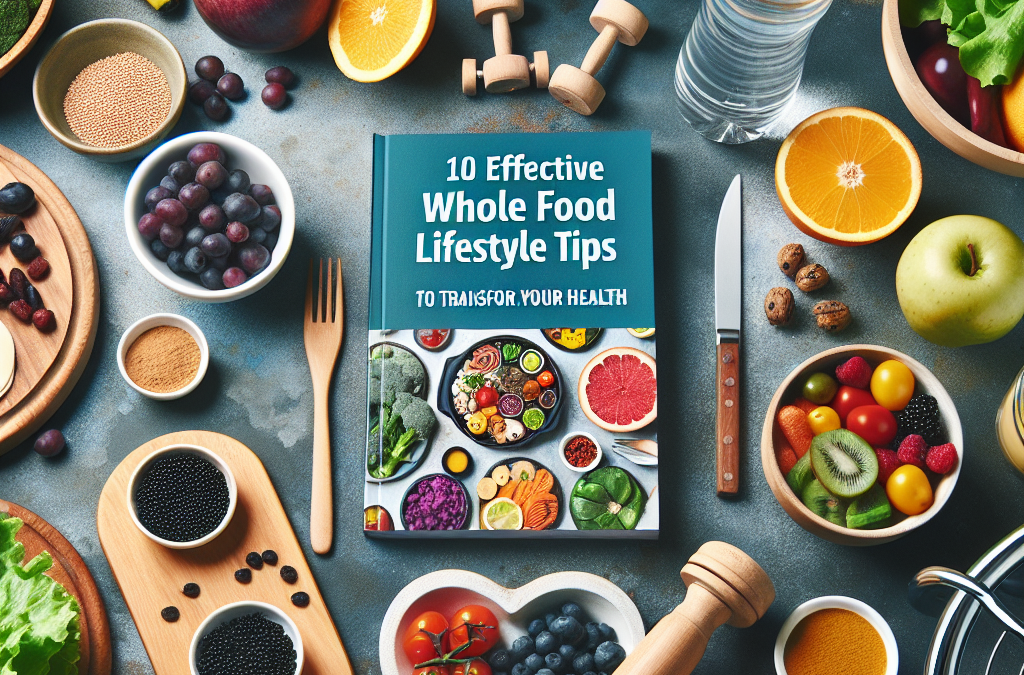
The best whole foods for fat loss support include a variety of nutrient-dense options that help regulate appetite and enhance metabolic health. Foods such as leafy greens, lean proteins like chicken and fish, healthy fats from avocados and nuts, and high-fiber carbohydrates such as legumes and whole grains are excellent choices.
Understanding how these foods work can significantly impact your weight loss journey. For instance, incorporating plenty of vegetables can help you reduce calorie intake while still providing the volume needed for satiety. Lean proteins, on the other hand, are essential for muscle maintenance during weight loss, and healthy fats can support hormonal balance and metabolic processes. Prioritizing these food groups can lead to more effective fat loss strategies.
Lean Proteins for Sustained Energy
Lean proteins are crucial for anyone looking to lose fat effectively. Foods like chicken breast, turkey, fish, and plant-based proteins such as beans and lentils provide the necessary amino acids to support muscle repair and growth. This is particularly important during weight loss, as preserving muscle mass can help maintain metabolic rate.
Incorporating lean protein into each meal can enhance feelings of fullness, reducing the likelihood of overeating. For example, pairing a serving of grilled chicken with a salad packed with vegetables can create a satisfying meal that keeps hunger at bay. Additionally, be aware of portion sizes; while protein is beneficial, excessive consumption can lead to unwanted calorie intake.
Healthy Fats That Support Metabolism
Healthy fats play a significant role in fat loss by supporting metabolic processes and hormone production. Foods like avocados, olive oil, and nuts provide essential fatty acids that help in nutrient absorption and can enhance feelings of satisfaction after meals.
However, it’s important to consume fats in moderation, as they are calorie-dense. For instance, adding a small handful of nuts to a salad can provide flavor and texture without overwhelming calorie counts. Understanding the balance of macronutrients is key; a diet too high in fats can counteract weight loss efforts, so aim for a balanced intake.
High-Fiber Carbohydrates for Satiety
High-fiber carbohydrates, such as whole grains, legumes, fruits, and vegetables, are essential for maintaining satiety and promoting digestive health. Fiber slows down digestion, which helps you feel full longer and stabilizes blood sugar levels.
Including a variety of high-fiber foods in your diet can help mitigate cravings for unhealthy snacks. For example, a breakfast of oatmeal topped with berries and a sprinkle of nuts can provide sustained energy throughout the morning. Additionally, be cautious of processed carbohydrates which can lead to quick spikes in blood sugar and subsequent crashes, making you feel hungry sooner.
Hydration and Its Role in Fat Loss
Hydration is often overlooked in discussions about fat loss, yet it plays a vital role in overall health and weight management. Drinking enough water can help control hunger and support metabolic processes. Sometimes, feelings of hunger are actually signs of dehydration.
To ensure adequate hydration, aim to drink water consistently throughout the day. Consider drinking a glass of water before meals to help control portion sizes. Herbal teas and water-rich foods like cucumbers and watermelon can also contribute to hydration levels.
Huge Discount on the Best Certified Organic Whole Food Supplement!
Further Reading
Authoritative Sources
- Whole Foods Diet: What You Need to Know
healthline.comThis resource provides comprehensive insights into the benefits of whole foods for weight loss and overall health
- The Role of Dietary Protein in Weight Loss
ncbi.nlm.nih.govAn academic overview of how protein impacts weight loss and muscle preservation
- Nutrition: The Key to Health
cdc.govThe CDC's guidelines on nutrition and its importance for maintaining health and supporting weight loss
Frequently Asked Questions
What are whole foods?
Whole foods are foods that are minimally processed and free from artificial ingredients or additives. They include fruits, vegetables, whole grains, nuts, and seeds.
Can whole foods help with weight loss?
Yes, whole foods are nutrient-dense, which can help regulate appetite and provide essential nutrients while reducing calorie intake.
What types of whole foods should I include in my diet for fat loss?
Focus on lean proteins, healthy fats, high-fiber carbohydrates, and plenty of fruits and vegetables to support fat loss.
How much protein do I need for weight loss?
Aim for about 0.8 to 1.0 grams of protein per kilogram of body weight to support muscle maintenance and satiety during weight loss.
What role does hydration play in weight loss?
Staying hydrated can help control hunger and support metabolic processes, making it easier to manage weight effectively.
Conclusion
Incorporating the best whole foods for fat loss support into your diet can significantly enhance your weight loss efforts. Prioritizing lean proteins, healthy fats, and high-fiber carbohydrates not only aids in appetite control but also ensures your body receives the essential nutrients it needs. Stay mindful of hydration and make informed choices to create a sustainable eating pattern. By focusing on these whole foods, you can achieve your fat loss goals more effectively while maintaining overall health.
Huge Discount on the Best Certified Organic Whole Food Supplement!
Related Content
- Transform Your Waistline: Why Whole Foods Help Reduce Belly Fat Effectively
- Revitalize Your Body: Discover How Whole Foods Help Reduce Water Retention Naturally
- Boost Your Immunity: Exploring How Whole Foods Support Immune System Strength
- Ditching Cravings: The Surprising Role of Whole Foods in Your Diet
- Maximizing Efficiency: Discover The Whole Food Diet Benefits for Busy Professionals