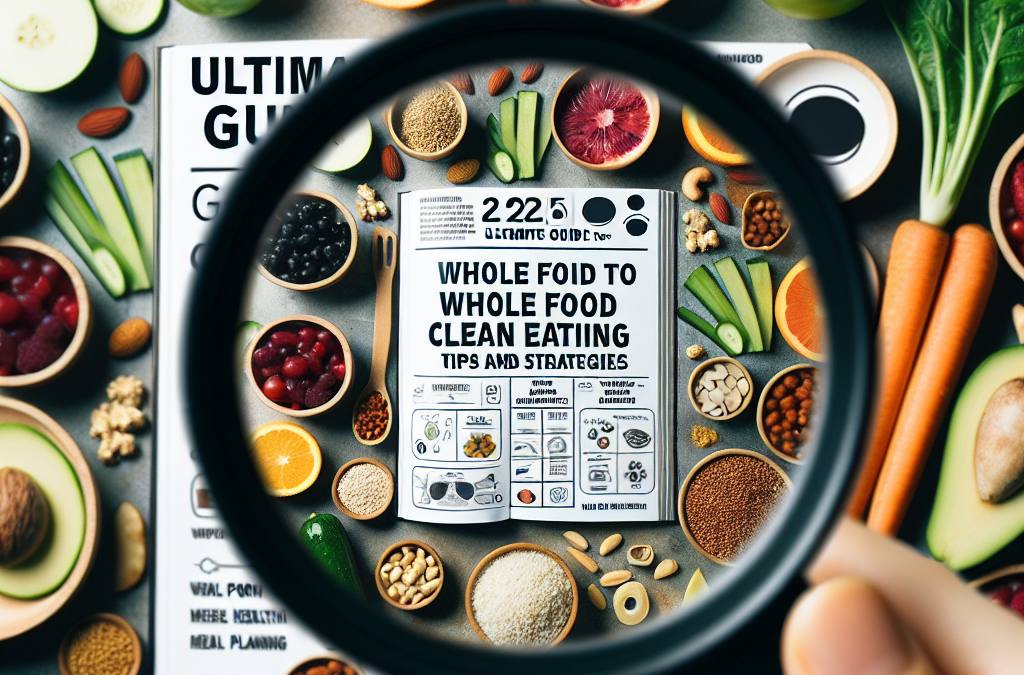
The best whole foods for fat loss support encompass a variety of nutrient-rich options that not only aid in weight management but also enhance overall health. Foods such as leafy greens, lean proteins, whole grains, and healthy fats provide essential nutrients while promoting satiety and boosting metabolism.
Understanding the role of whole foods in fat loss is crucial. Many people overlook the importance of nutrient density and satiety in their diet, often opting for processed foods that may seem convenient but are less effective for weight management. By focusing on whole foods, you can avoid the pitfalls of empty calories and ensure that your body receives the nutrients it needs to thrive while supporting your fat loss goals.
One common mistake is not considering the balance of macronutrients in your meals. It’s essential to include a mix of proteins, fats, and carbohydrates to optimize fat loss. For instance, pairing a source of protein with healthy fats can enhance satiety, reducing the likelihood of overeating later. Prioritizing whole foods that deliver a combination of these macronutrients can help you stay on track with your fat loss journey.
Leafy Greens: Nutrient Powerhouses
Leafy greens such as spinach, kale, and Swiss chard are among the best whole foods for fat loss support due to their low caloric density and high nutrient content. These vegetables are rich in vitamins A, C, and K, as well as fiber, which can aid in digestion and help you feel full longer.
Incorporating leafy greens into your meals can significantly enhance your nutrient intake without adding many calories. For example, a salad loaded with a variety of leafy greens can serve as a base for a nutrient-rich meal, providing volume without excessive calories. Additionally, the fiber content helps regulate blood sugar levels, which is crucial for maintaining energy and avoiding cravings.
A common pitfall when consuming leafy greens is using high-calorie dressings or toppings that negate their health benefits. Opt for light dressings made from vinegar and olive oil, or simply squeeze lemon juice to keep your meals healthy. Prioritize whole food combinations that maximize nutrient intake while minimizing added calories.
Lean Proteins: Building Blocks for Weight Loss
Lean proteins such as chicken breast, turkey, and fish are vital for fat loss support. They not only provide the essential amino acids necessary for muscle repair and growth but also promote satiety, helping to curb hunger and reduce overall calorie intake.
Incorporating lean proteins into your diet can be straightforward. For instance, grilled chicken can be paired with vegetables or added to salads, providing a fulfilling meal that satisfies hunger. Additionally, protein has a higher thermic effect than fats or carbohydrates, meaning your body burns more calories digesting it.
However, it’s essential to be mindful of portion sizes and cooking methods. Frying proteins can add unnecessary calories and unhealthy fats. Instead, consider grilling, baking, or steaming to maintain their health benefits. Focus on high-quality sources of protein that fit your dietary preferences while supporting your fat loss goals.
Whole Grains: Sustained Energy Sources
Whole grains such as quinoa, brown rice, and oats are excellent sources of complex carbohydrates that provide sustained energy and fiber. Unlike refined grains, whole grains help stabilize blood sugar levels, which can reduce cravings and support fat loss.
Incorporating whole grains into your meals can enhance satisfaction and energy levels. For example, starting your day with oatmeal topped with fresh fruits can provide a nourishing breakfast that keeps you fuller for longer. Whole grains also contribute to digestive health, which is crucial for overall well-being.
A common mistake is underestimating portion sizes of whole grains, leading to excessive calorie intake. It’s important to measure portions and balance them with lean proteins and healthy fats for optimal results. Aim to fill half your plate with vegetables and allocate a quarter for whole grains to maintain a healthy balance.
Huge Discount on the Best Certified Organic Whole Food Supplement!
Healthy Fats: Essential for Satiety
Healthy fats, such as those found in avocados, nuts, and olive oil, play a crucial role in fat loss support by promoting satiety and providing essential fatty acids. These fats can enhance the absorption of fat-soluble vitamins and support overall hormonal balance.
Including healthy fats in your diet can make meals more satisfying. For example, adding avocado to a salad not only enhances flavor but also provides healthy monounsaturated fats that can help keep you full. Nuts can serve as a great snack option that provides a balance of protein and healthy fats.
However, it’s essential to control portions, as fats are calorie-dense. One common mistake is consuming large quantities of nuts or oils without realizing their caloric impact. Aim for a small handful of nuts or a tablespoon of olive oil to keep your fat intake balanced while enjoying their health benefits.
Further Reading
Authoritative Sources
- The Role of Whole Foods in Weight Management
ncbi.nlm.nih.govThis resource provides insights into the benefits of whole foods for weight management and metabolic health
- Healthy Eating for Weight Loss
eatright.orgA comprehensive overview of healthy eating strategies for effective weight loss
Frequently Asked Questions
What are the best whole foods for fat loss?
The best whole foods for fat loss include leafy greens, lean proteins, whole grains, and healthy fats, which collectively enhance metabolism and promote satiety.
How do whole foods help with weight management?
Whole foods are nutrient-dense and low in calories, helping to reduce overall caloric intake while providing essential nutrients for optimal health.
Can I eat carbs while trying to lose weight?
Yes, focusing on whole grains and complex carbohydrates can provide sustained energy and help with weight loss when consumed in moderation.
What role do healthy fats play in fat loss?
Healthy fats promote satiety, support nutrient absorption, and can help regulate hormones related to appetite and metabolism.
How can I incorporate more whole foods into my diet?
Start by replacing processed foods with whole food options, such as choosing fruits, vegetables, and whole grains, and planning meals around these foods.
Conclusion
Incorporating the best whole foods for fat loss support into your diet is essential for achieving sustainable weight loss. Focus on nutrient-dense options like leafy greens, lean proteins, whole grains, and healthy fats to enhance metabolism and promote satiety. Remember to balance your meals and avoid common pitfalls like excessive calorie-dense dressings and portion sizes. By prioritizing these whole foods, you can create a healthy eating pattern that not only supports your fat loss goals but also contributes to overall wellness.
Huge Discount on the Best Certified Organic Whole Food Supplement!
Related Content
- The Top Whole Foods for Heart Health Support: Essential Foods for Cardiovascular Wellness
- Why Whole Foods Improve Energy Without Caffeine: The Best Nutrient-Dense Choices for Sustained Vitality
- Why Whole Foods Improve Insulin Sensitivity: Key Nutritional Components and Their Effects
- The Complete Guide to Whole Food Benefits for Beginners: Essential Foods for Optimal Nutrition
- Why Whole Foods Help Reduce Brain Fog: Key Nutritional Components and Strategies