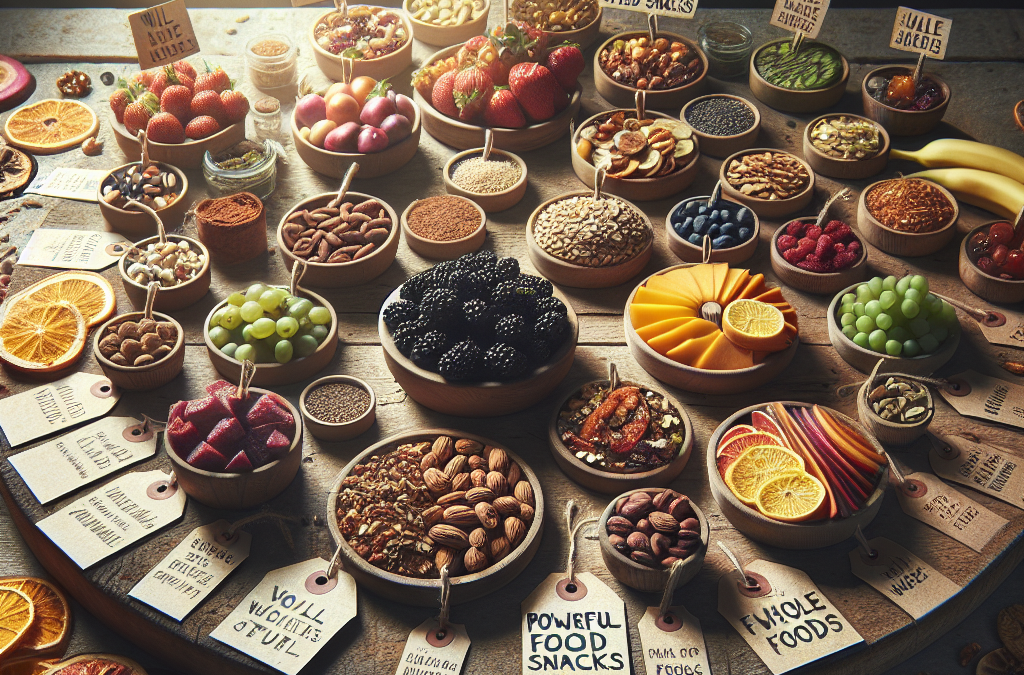
The best whole foods for natural detox include a variety of nutrient-dense options that help cleanse the body and support overall health. Key ingredients such as leafy greens, cruciferous vegetables, berries, citrus fruits, and nuts play a significant role in detoxification.
Incorporating these foods into your diet can significantly improve your detox efforts, but it’s essential to consider how they fit into your overall nutritional strategy. For instance, while these foods are beneficial, they should be part of a balanced diet that includes adequate hydration and fiber intake to maximize detoxification. Additionally, some people may experience digestive discomfort when introducing certain foods too quickly, so it’s crucial to listen to your body and make gradual changes.
Moreover, a common mistake in detox diets is focusing solely on specific foods while neglecting other lifestyle factors that contribute to overall wellness. Regular physical activity, adequate sleep, and stress management are equally important in achieving effective detoxification. Therefore, as you incorporate these whole foods, also prioritize other healthy habits that support your body’s natural detox processes.
Leafy Greens: The Detox Powerhouses
Leafy greens such as kale, spinach, and Swiss chard are essential for detoxification due to their high chlorophyll content. Chlorophyll helps bind to toxins and facilitates their removal from the body. Eating a variety of leafy greens can also enhance nutrient intake, providing essential vitamins and minerals that support overall health.
When incorporating leafy greens into your diet, consider how to prepare them for maximum absorption of nutrients. Steaming or sautéing can make certain nutrients more bioavailable, while raw preparations in salads can provide enzymes that aid digestion. However, be mindful of portion sizes, as consuming too much at once can overwhelm the digestive system.
Additionally, many people overlook the importance of variety in their leafy green choices. Rotating different types of greens can ensure a broader spectrum of nutrients and prevent boredom in your meals, making it easier to maintain a healthy eating pattern.
Cruciferous Vegetables: Liver Supporters
Cruciferous vegetables such as broccoli, cauliflower, and Brussels sprouts are known for their liver-supporting properties. They contain glucosinolates, which are compounds that help activate detoxification enzymes in the liver. Regular consumption of these vegetables can enhance the body’s ability to process and eliminate toxins.
To maximize the benefits of cruciferous vegetables, consider cooking methods that preserve their nutrient content. Light steaming or roasting can enhance their flavors while maintaining their nutritional integrity. However, avoid overcooking, as this can lead to nutrient loss and diminish their health benefits.
Another common oversight is the importance of pairing these vegetables with healthy fats to aid in the absorption of fat-soluble vitamins. Adding a drizzle of olive oil or a sprinkle of nuts can increase their nutritional value and enhance your detox efforts.
Berries: Antioxidant-Rich Options
Berries such as blueberries, strawberries, and raspberries are rich in antioxidants, which play a crucial role in combating oxidative stress and supporting detoxification. Their high fiber content also aids digestion and promotes regular bowel movements, which are essential for toxin elimination.
Incorporating a variety of berries into your diet can provide a wide range of health benefits. Fresh or frozen, they can be added to smoothies, yogurt, or enjoyed as a snack. Be wary of added sugars in processed berry products, as they can counteract the health benefits.
Furthermore, many people underestimate the power of seasonal berries. Choosing locally sourced, in-season berries can enhance freshness and flavor while supporting local agriculture. This practice not only benefits your health but also contributes to environmental sustainability.
Citrus Fruits: Vitamin C Boosters
Citrus fruits, including oranges, lemons, and grapefruits, are excellent sources of vitamin C, a powerful antioxidant that supports detoxification processes. Vitamin C helps regenerate other antioxidants in the body and plays a role in collagen production, which is vital for skin health.
To incorporate citrus fruits into your diet, consider adding fresh juice to water, using them in salad dressings, or enjoying whole fruits as snacks. However, be cautious of consuming too much citrus juice, as high acidity can lead to digestive discomfort for some individuals.
Huge Discount on the Best Certified Organic Whole Food Supplement!
Moreover, while citrus fruits are beneficial, many overlook the importance of variety. Different citrus fruits offer unique flavors and nutrient profiles, so rotating between them can enhance your dietary diversity and keep meals interesting.
Nuts and Seeds: Healthy Fats for Detox
Nuts and seeds are rich in healthy fats, fiber, and various nutrients that support detoxification. They provide essential fatty acids that help reduce inflammation and support overall health. Almonds, walnuts, chia seeds, and flaxseeds are particularly beneficial.
When including nuts and seeds in your diet, portion control is key. While they are nutrient-dense, they are also high in calories, and excessive consumption can lead to unwanted weight gain. A small handful as a snack or a sprinkle on salads can provide the benefits without overdoing it.
Additionally, many individuals overlook the value of soaking nuts and seeds before consumption. Soaking can enhance digestibility and nutrient absorption, making them even more beneficial for your detox efforts. This simple step can transform your approach to healthy snacking.
Further Reading
For those looking to dive deeper into the world of detoxification and whole foods, consider exploring reputable sources that offer a wealth of information on nutrition and health.
Authoritative Sources
- National Institutes of Health
ncbi.nlm.nih.govnih.govA reliable source for research articles and publications on nutrition and health
- Academy of Nutrition and Dietetics
eatright.orgProvides evidence-based information on nutrition and dietary practices
- Centers for Disease Control and Prevention
cdc.govOffers guidelines on healthy eating and nutrition for overall well-being
Frequently Asked Questions
What foods are best for detoxing?
The best foods for detoxing include leafy greens, cruciferous vegetables, berries, citrus fruits, and nuts, as they support liver function and enhance toxin elimination.
How often should I detox with whole foods?
Detoxing with whole foods can be done periodically, such as once a season, or incorporated into a regular healthy eating plan for ongoing benefits.
Can I detox with just juices?
While juice detoxes can provide some benefits, they may lack essential nutrients found in whole foods; a balanced approach is recommended.
Are there any side effects of detoxing?
Some people may experience mild side effects like fatigue or digestive changes during detox; it’s important to listen to your body and adjust accordingly.
How can I support my detox process?
To support your detox process, stay hydrated, prioritize whole foods, and maintain a balanced lifestyle that includes exercise and adequate sleep.
Conclusion
Incorporating the best whole foods for natural detox is an effective way to enhance your body’s ability to eliminate toxins. Focus on a diverse array of leafy greens, cruciferous vegetables, berries, citrus fruits, and nuts to maximize the benefits of your detox plan. Remember to maintain a balanced approach, integrating these foods into a healthy lifestyle that includes regular physical activity and stress management. By prioritizing whole foods and holistic wellness, you can support your body’s natural detoxification processes and achieve better overall health.
Huge Discount on the Best Certified Organic Whole Food Supplement!
Related Content
- Nourishing Your Microbiome: How Whole Foods Help Balance Gut Bacteria for Optimal Health
- The Ultimate Guide to an Organic Whole Food Diet Meal Plan (2025) for Optimal Health
- How Whole Foods Support Heart Health: Essential Nutrients and Dietary Choices
- How Whole Foods Support Digestive Repair: Key Nutrients and Effective Choices
- Transform Your Life: How Whole Foods Help Manage Blood Pressure Naturally