
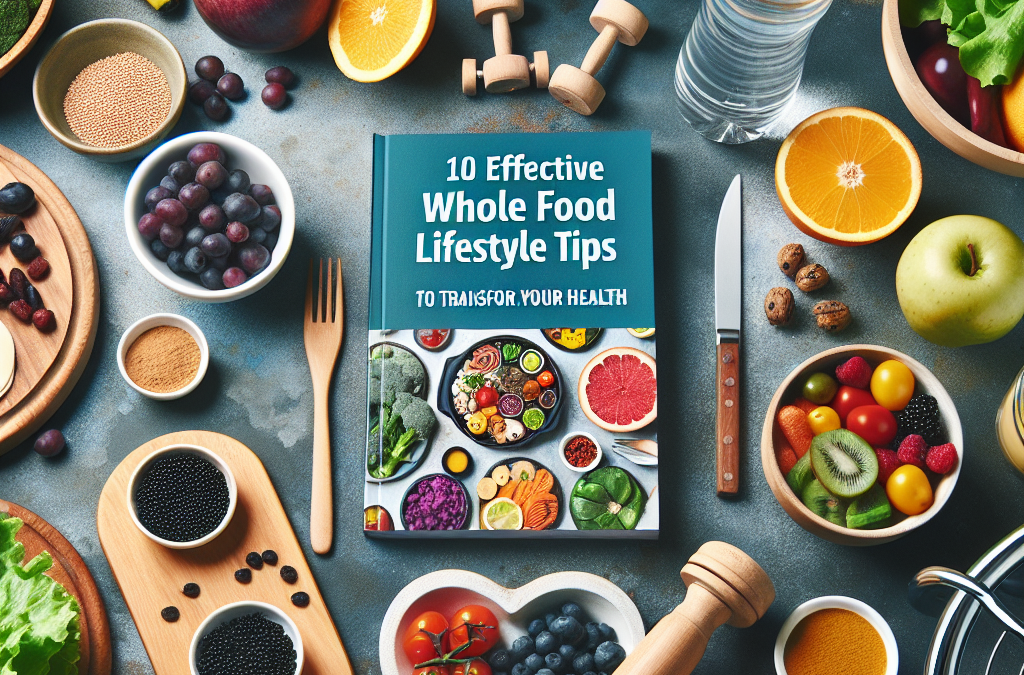
Whole food benefits for beginners are profound and multifaceted, impacting everything from digestive health to energy levels. By emphasizing the inclusion of whole foods—such as fresh fruits, leafy greens, whole grains, and lean proteins—beginners can experience substantial health improvements.
Understanding the real-world implications of transitioning to whole foods is crucial. Many beginners mistakenly believe that simply adding fruits and vegetables to their diet is sufficient. In reality, it’s essential to minimize processed foods and prioritize nutrient-dense options. This shift can lead to improved digestion, better weight management, and reduced risk of chronic diseases. Furthermore, beginners should be aware of the potential challenges, such as cravings for processed snacks and the initial learning curve in meal preparation.
Common pitfalls include relying too heavily on packaged so-called “health foods” that may still contain additives or high sugar levels. It’s vital to read labels and choose foods that are as close to their natural state as possible. Beginners should also focus on variety, ensuring they consume a spectrum of nutrients from different food sources to avoid nutritional deficiencies.

Understanding Whole Foods
Whole foods are those that are minimally processed and free from artificial ingredients. This category primarily includes fresh fruits, vegetables, whole grains, nuts, seeds, and lean proteins. The primary value of whole foods lies in their unprocessed nature, which retains essential nutrients and fiber that are often stripped away in processed foods. This nutrient density is crucial for beginners aiming to enhance their health.
For beginners, understanding the difference between whole foods and processed foods is paramount. Processed foods often contain unhealthy fats, excessive sugars, and preservatives that can lead to various health issues. By choosing whole foods, individuals not only nourish their bodies but also support sustainable eating practices that have long-term health benefits.
Beginners should prioritize shopping the perimeter of grocery stores, where whole foods are typically located. This strategy helps avoid the temptation of processed foods found in the aisles. Learning to read ingredient labels is another valuable skill; the fewer ingredients listed, the better. Beginners should also consider local farmers’ markets for fresh, seasonal produce.
Key Nutrient Sources
Incorporating a variety of whole foods ensures a well-rounded intake of essential nutrients. Key sources include fruits, vegetables, whole grains, legumes, nuts, and seeds. Each of these food groups provides unique health benefits that contribute to overall wellness. For instance, leafy greens are rich in vitamins A and K, while berries are high in antioxidants.
For beginners, it’s essential to understand how these foods contribute to health. Whole grains provide fiber, which aids digestion and helps maintain stable blood sugar levels. Legumes are an excellent source of plant-based protein and can help in muscle repair and growth. Nuts and seeds offer healthy fats that are vital for brain health and hormone regulation.
To maximize nutrient intake, beginners should aim for variety. Eating a rainbow of fruits and vegetables not only enhances health but also makes meals more enjoyable. Additionally, incorporating different cooking methods, such as steaming or roasting, can bring out unique flavors and preserve nutrients.
Building Balanced Meals
Creating balanced meals is crucial for beginners transitioning to a whole food diet. A balanced plate should include a source of protein, healthy fats, and a variety of colorful vegetables. This combination ensures that the body receives a comprehensive range of nutrients necessary for optimal function.
Beginners often overlook the importance of portion control and meal timing. Eating smaller, balanced meals throughout the day can help maintain energy levels and prevent overeating. It’s also essential to listen to hunger cues and eat mindfully, which can improve digestion and satisfaction.
Meal prepping can be an effective strategy for beginners to ensure they have healthy options readily available. Planning meals for the week ahead can reduce the temptation to resort to processed foods when time is limited. Additionally, having pre-chopped vegetables and cooked grains on hand can facilitate quicker meal assembly.
Common Mistakes to Avoid
Transitioning to a whole food diet is a rewarding journey, but it’s not without its challenges. One common mistake beginners make is overcomplicating their meals. Simplicity is key; focusing on whole ingredients can lead to delicious and nutritious meals without the need for elaborate recipes.
Huge Discount on the Best Certified Organic Whole Food Supplement!
Another pitfall is neglecting hydration. Whole foods often have a higher fiber content, which requires adequate water intake to aid digestion. Beginners should aim to drink plenty of water throughout the day, especially when increasing fiber intake from whole foods.
Additionally, beginners sometimes fall back into old eating habits when faced with cravings or stress. It’s important to develop strategies to cope with cravings, such as finding healthy alternatives or engaging in mindful eating practices. Maintaining a support system, whether through friends, family, or online communities, can also provide motivation and accountability.
Further Reading
Authoritative Sources
- Choose My Plate
choosemyplate.govThis resource provides guidelines for building balanced meals and understanding food groups
- Academy of Nutrition and Dietetics
eatright.orgA comprehensive source for nutrition information and resources for healthy eating
- Fruits & Veggies More Matters
fruitsandveggies.orgThis site emphasizes the importance of fruits and vegetables in the diet and offers practical tips for incorporating them
- Whole Grains Council
wholegrainscouncil.orgExplore the benefits of whole grains and find resources for including them in your diet
Frequently Asked Questions
What are whole foods?
Whole foods are natural, minimally processed foods that do not contain artificial ingredients or preservatives, such as fruits, vegetables, whole grains, and lean proteins.
How can I start eating more whole foods?
Begin by incorporating more fruits and vegetables into your meals, choosing whole grains over refined grains, and opting for lean proteins while avoiding processed snacks.
What are the benefits of a whole food diet?
A whole food diet can lead to improved digestion, increased energy, better weight management, and a reduced risk of chronic diseases.
Are there any downsides to switching to whole foods?
Some individuals may experience cravings for processed foods initially, and transitioning can require time and effort in meal planning and preparation.
How can I make whole foods more appealing?
Experiment with different cooking methods, spices, and herbs to enhance the flavor of whole foods. Creating colorful plates can also make meals visually appealing.
Conclusion
In conclusion, embracing a whole food diet offers numerous benefits for beginners, including improved health and well-being. Prioritizing whole, nutrient-dense foods while minimizing processed options can lead to significant improvements in energy, digestion, and overall health. To succeed in this transition, focus on simplicity, variety, and meal preparation. Over time, these practices will help solidify healthy eating habits that can last a lifetime. Start small, be mindful of your choices, and enjoy the journey towards better health.
Huge Discount on the Best Certified Organic Whole Food Supplement!
Related Content
- How Whole Foods Help Reduce Processed Sugar Intake: Practical Steps for Healthier Choices
- Harnessing Nature’s Bounty: Why Whole Foods Help Control Hunger Hormones Effectively
- The Whole Food Diet Benefits for Beginners: Essential Foods and Practical Tips
- How Whole Foods Support Brain Health: Essential Nutrients and Their Impact
- How Whole Foods Improve Nutrient Density in Your Diet: Essential Foods and Their Benefits


