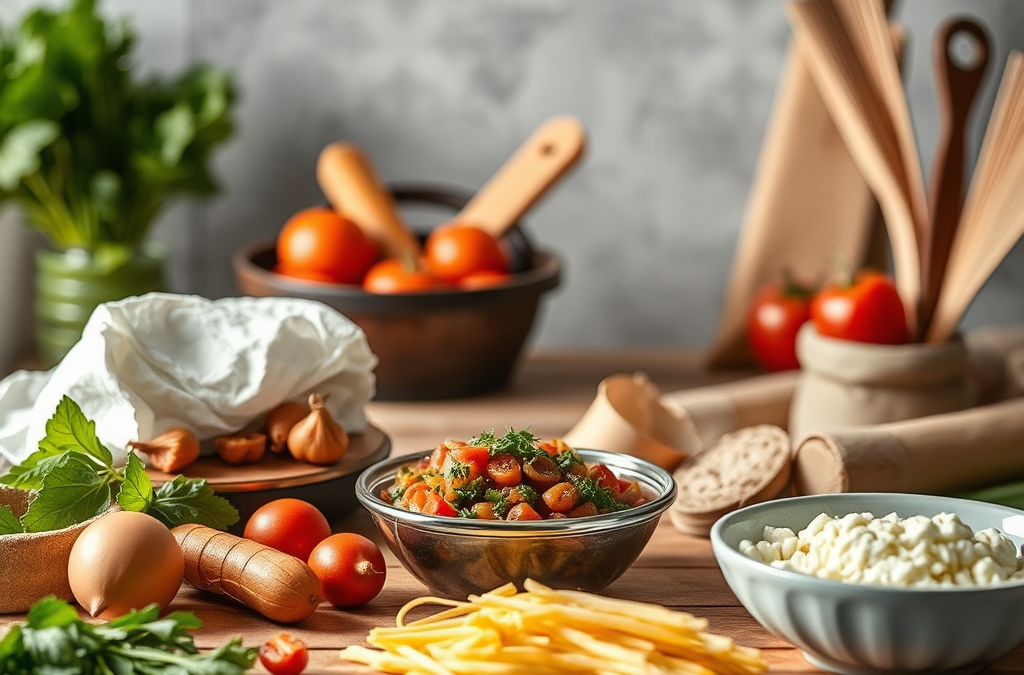
Food preparation significantly influences the benefits derived from whole foods, as various cooking methods can either enhance or reduce nutrient availability. For instance, steaming vegetables is a superior method for retaining essential vitamins compared to boiling, which often leads to nutrient loss. Additionally, the way food is cut can affect nutrient absorption; chopping increases surface area, promoting better digestion, but excessive processing may lead to nutrient degradation. To maximize health benefits, individuals should consider using cooking techniques that preserve nutrients while also enhancing flavor, such as roasting or grilling, which can create beneficial compounds. Understanding these impacts empowers consumers to make informed choices that optimize their nutritional intake.
Understanding Food Preparation Techniques
Food preparation techniques significantly influence the nutritional quality of whole foods. Methods such as boiling, steaming, roasting, or sautéing can alter the bioavailability of vitamins and minerals. For instance, boiling vegetables may lead to nutrient loss, especially water-soluble vitamins like B and C, while steaming can help retain these nutrients. Understanding these techniques equips consumers to make informed decisions that enhance their dietary intake.
In addition to cooking methods, the way food is cut or processed can also impact its nutritional profile. For example, chopping vegetables increases the surface area, which may enhance nutrient absorption during digestion. However, excessive chopping or processing can lead to oxidation and nutrient degradation. A balanced approach to food preparation can maximize the health benefits of whole foods.
Nutritional Impact of Cooking Methods
Different cooking methods can have varying effects on the nutrient content of whole foods. For example, methods like grilling or roasting can create beneficial compounds like antioxidants, while frying can produce harmful trans fats and decrease overall nutrient density. Steaming is often considered one of the healthiest cooking methods, as it helps retain vitamins and minerals better than boiling.
Furthermore, the Maillard reaction, which occurs during high-heat cooking methods like grilling, can enhance flavor but may also reduce some nutrients. It’s essential to balance these cooking techniques to enjoy the taste while preserving nutritional integrity. Understanding the impact of these methods helps individuals choose the best preparation techniques for their dietary needs.
Raw vs. Cooked: What Works Best?
Eating raw foods has gained popularity due to the belief that it maximizes nutrient intake. While raw fruits and vegetables can provide enzymes and certain vitamins, cooking can enhance the bioavailability of other nutrients. For example, cooking tomatoes increases the availability of lycopene, a powerful antioxidant. This highlights the importance of a balanced approach that includes both raw and cooked foods in the diet.
Moreover, some foods require cooking to eliminate harmful bacteria or toxins. For instance, legumes and certain cruciferous vegetables contain compounds that can interfere with nutrient absorption when raw. Thus, understanding when to consume foods raw and when to cook them is crucial for maximizing health benefits.
Practical Tips for Optimizing Food Preparation
To optimize the benefits of whole foods, consider the following practical tips for food preparation:
- Choose Cooking Methods Wisely: Favor steaming, grilling, or roasting over frying to preserve nutrients.
- Minimize Cooking Time: Reduce cooking time to retain maximum nutrients, particularly with vegetables.
- Incorporate Both Raw and Cooked Foods: Include a variety of raw and cooked foods in your diet to maximize nutrient intake.
- Use Fresh Ingredients: Fresh, seasonal ingredients often have higher nutrient levels than processed or stored foods.
Applying these tips can enhance the nutritional benefits of whole foods and contribute to a healthier diet.
Frequently Asked Questions
What is the best cooking method to retain nutrients?
Steaming is generally the best method to retain nutrients, as it cooks food quickly without submerging it in water.
Does cooking destroy all nutrients in food?
No, cooking can enhance the bioavailability of some nutrients while reducing others. It's about finding the right balance.
Are raw vegetables better than cooked?
Both raw and cooked vegetables have their advantages; raw foods provide enzymes, while cooking can increase the availability of some nutrients.
How does food preparation affect flavor?
Food preparation methods can enhance flavor through techniques like roasting, which caramelizes sugars and creates complex flavors.
Can overcooking food be harmful?
Yes, overcooking can lead to nutrient loss and the formation of harmful compounds, so it's essential to monitor cooking times.
Conclusion
Understanding the impact of food preparation on whole food benefits is crucial for optimizing nutritional intake. By selecting appropriate cooking methods, balancing raw and cooked foods, and applying practical tips, individuals can enhance their dietary habits. Prioritizing these strategies can lead to improved health outcomes and a more enjoyable eating experience.
Huge Discount on the Best Certified Organic Whole Food Supplement!
Further Reading
Authoritative Sources
- NIH Office of Dietary Supplements
ods.od.nih.govEvidence-based information on vitamins, minerals, supplements, and nutrition-related questions.
- USDA FoodData Central
fdc.nal.usda.govUSDA nutrient data for foods and ingredients used in nutrition decisions.
- Harvard T.H. Chan School of Public Health Nutrition Source
hsph.harvard.eduPublic health nutrition guidance and educational resources.

