
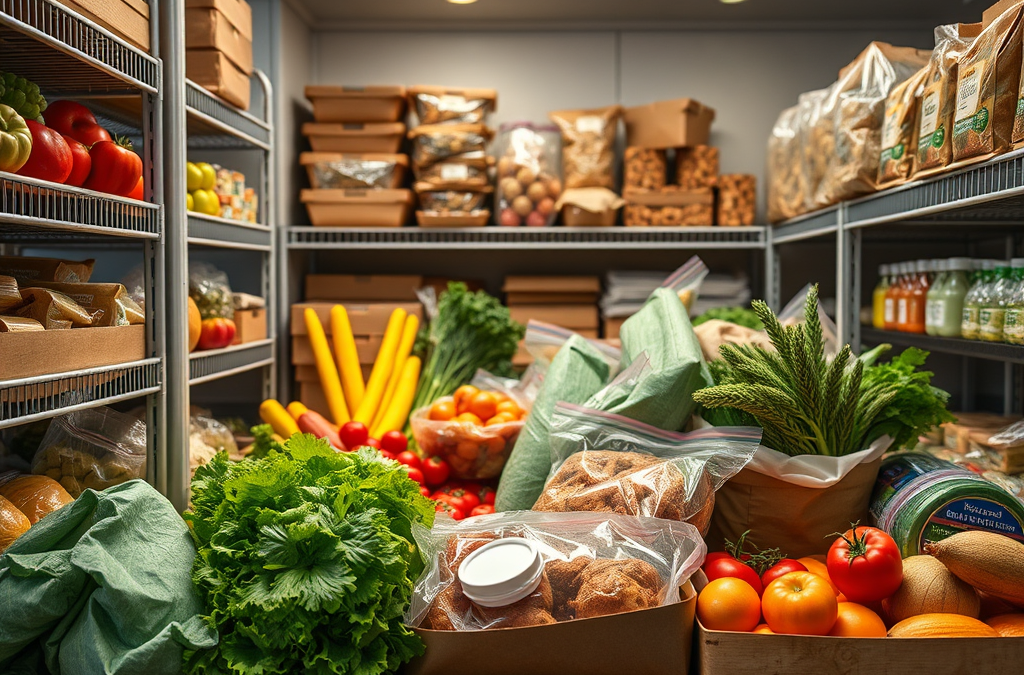
The impact of food storage on whole food quality is significant, as improper storage can lead to nutrient loss, spoilage, and reduced flavor. Factors such as temperature, humidity, and light exposure play crucial roles in maintaining the integrity of whole foods. For instance, storing fruits and vegetables at the correct temperature can preserve their vitamins and minerals, while airtight containers can prevent moisture and pests from degrading quality. Understanding these storage practices is essential for maximizing the health benefits of whole foods.
Understanding Food Storage Conditions
The quality of whole foods is heavily influenced by the conditions under which they are stored. Temperature, humidity, and light exposure are critical factors that can either preserve or diminish food quality. For example, many fruits and vegetables thrive in cool, dark environments, while grains and legumes benefit from dry storage. Understanding the optimal conditions for different food types helps in maintaining their nutritional value and extending shelf life.
Temperature plays a key role in food storage; most whole foods are best kept at temperatures between 32°F and 40°F (0°C to 4°C). For instance, refrigeration slows down the growth of bacteria and molds, which can otherwise spoil food quickly. On the other hand, room temperature is suitable for certain foods, such as potatoes and onions, which can degrade in cold environments.
Humidity also affects food quality. High humidity can lead to mold growth, while low humidity can cause foods to dry out. Using humidity-controlled storage solutions can help maintain the ideal moisture level for various foods, ensuring they remain fresh and palatable. Light exposure can degrade vitamins and alter flavor, particularly in sensitive foods like oils and certain produce. Storing these items in opaque containers or dark places can prevent nutrient loss.
Common Mistakes in Food Storage
Many consumers make critical errors when storing whole foods, which can lead to significant quality degradation. One common mistake is storing foods improperly, such as placing ethylene-producing fruits like apples next to sensitive vegetables like lettuce. This can cause the vegetables to spoil faster due to the ethylene gas emitted by the apples.
Another frequent error is not using airtight containers for items like grains, nuts, and seeds. Exposure to air can lead to oxidation, resulting in rancid flavors and loss of nutrients. It’s also important to consider the lifespan of different foods; many people overlook the expiration dates or the best-by dates, leading to consumption of spoiled items.
Additionally, overloading the refrigerator can restrict air circulation, preventing even cooling and causing some foods to spoil faster. Lastly, failing to regularly check for and remove spoiled items can lead to cross-contamination and further spoilage of other foods stored nearby. Keeping an organized storage system and regularly auditing food supplies can help avoid these pitfalls.
Long-Term Storage Techniques
For those looking to extend the shelf life of whole foods, understanding long-term storage techniques is essential. One effective method is freezing, which can preserve the nutritional quality of vegetables and fruits for months. Blanching vegetables before freezing helps to maintain their color, texture, and flavor by inactivating enzymes that can lead to spoilage.
Canning is another popular long-term storage method that allows for preserving foods while maintaining their quality. This process involves sealing food in jars and heating them to destroy harmful bacteria. Home canning can be a rewarding way to store seasonal produce while ensuring its safety and flavor.
Drying foods, whether through dehydration or air drying, is also a viable option for long-term storage. This method reduces moisture content, which inhibits bacterial growth. Dried fruits, herbs, and meats can be stored for long periods without refrigeration, making them convenient and practical.
Vacuum sealing is another technique that can greatly enhance the longevity of whole foods. By removing air from storage bags, vacuum sealing minimizes oxidation and prevents freezer burn, thus preserving flavor and nutrients. It is particularly effective for bulk items that are not used frequently.
The Role of Packaging in Food Quality
Packaging plays a crucial role in maintaining the quality of whole foods. The choice of packaging material can impact how well food is protected from environmental factors like moisture, light, and air. For instance, glass containers are often preferred for storing oils and sauces since they are impermeable and do not leach chemicals into the food.
Plastic containers, while lightweight and convenient, can sometimes absorb odors or flavors, affecting the quality of the stored food. It’s important to choose food-safe plastics that are BPA-free and designed for long-term storage. Additionally, using vacuum-sealed bags can protect foods from moisture and air exposure, extending their freshness.
Huge Discount on the Best Certified Organic Whole Food Supplement!
Labeling packages with dates and contents is also essential for effective food storage management. This practice allows for easy identification of items and helps ensure that older foods are consumed first, reducing waste and spoilage.
For readers interested in exploring more about the impact of food storage on whole food quality, consider visiting resources provided by reputable organizations such as the USDA or local agricultural extensions that offer detailed guidelines on food preservation techniques.
Frequently Asked Questions
What is the best way to store fruits and vegetables?
Fruits and vegetables should be stored separately, with most requiring a cool, dark place. Refrigeration is ideal for many vegetables, while some fruits do best at room temperature.
How does temperature affect food quality?
Temperature significantly impacts food quality by influencing spoilage rates. Higher temperatures can accelerate bacterial growth, while lower temperatures can slow down enzymatic processes that lead to decay.
Can I freeze all types of food?
Not all foods freeze well. Foods with high water content, such as lettuce, do not freeze well, while most vegetables and fruits retain their quality after freezing.
What are the signs of spoiled food?
Signs of spoiled food include off smells, discoloration, and changes in texture. It’s important to inspect foods regularly to avoid consuming spoiled items.
How can I prevent food waste during storage?
To prevent food waste, regularly check your food supplies, use airtight containers, and practice the FIFO (first in, first out) method to ensure older items are used first.
Conclusion
Understanding the impact of food storage on whole food quality is vital for maintaining nutritional value and preventing spoilage. By implementing proper storage techniques, being aware of common mistakes, and utilizing effective packaging, individuals can significantly enhance the longevity and quality of their food. Prioritizing these practices will not only save money but also contribute to healthier eating habits and reduced food waste.
Huge Discount on the Best Certified Organic Whole Food Supplement!
Further Reading
Authoritative Sources
- NIH Office of Dietary Supplements
ods.od.nih.govEvidence-based information on vitamins, minerals, supplements, and nutrition-related questions.
- USDA FoodData Central
fdc.nal.usda.govUSDA nutrient data for foods and ingredients used in nutrition decisions.
- Harvard T.H. Chan School of Public Health Nutrition Source
hsph.harvard.eduPublic health nutrition guidance and educational resources.

