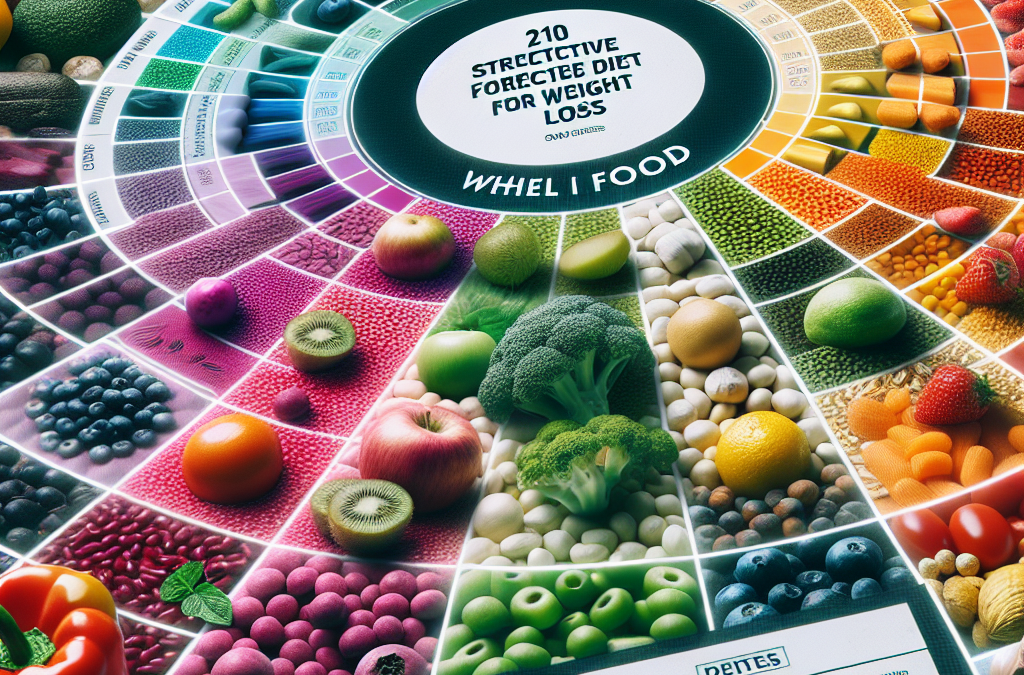
The most powerful whole foods for detox support include a variety of nutrient-dense options like leafy greens, cruciferous vegetables, berries, and citrus fruits. These foods are rich in antioxidants, vitamins, and minerals, each playing a crucial role in the body's natural detoxification processes.
Understanding how these foods contribute to detoxification is essential. Leafy greens like kale and spinach contain chlorophyll, which helps cleanse the blood and liver. Cruciferous vegetables such as broccoli and Brussels sprouts have compounds that promote liver enzyme activity, supporting the detoxification process. Berries, loaded with antioxidants, combat oxidative stress, while citrus fruits enhance digestion and hydration, facilitating the removal of waste.
A common mistake people make is relying solely on detox diets or juices, neglecting the importance of whole foods. While short-term detoxes can be beneficial, they should be complemented with a balanced diet rich in whole foods for sustainable results. Prioritizing these foods not only aids detoxification but also improves overall health, energy levels, and vitality.
Leafy Greens: Nature’s Detoxifiers
Leafy greens, such as kale, spinach, and Swiss chard, are among the most effective whole foods for detox support. These vegetables are high in fiber, which aids in digestion and helps eliminate waste from the body. Additionally, they are rich in vitamins A, C, and K, as well as minerals like magnesium and iron.
Incorporating leafy greens into your meals can significantly improve your detoxification efforts. For example, adding a handful of spinach to your morning smoothie or including kale in your salads can enhance nutrient intake and support liver function. However, one should be cautious about overconsumption of certain greens, like spinach, due to oxalate levels that may affect calcium absorption.
When prioritizing leafy greens, consider choosing organic options to minimize pesticide exposure. Additionally, varying your greens can provide a broader spectrum of nutrients, enhancing the overall detox experience.
Cruciferous Vegetables: Boosting Liver Function
Cruciferous vegetables, including broccoli, cauliflower, and Brussels sprouts, are vital for detox support due to their unique compounds that stimulate liver enzymes. These vegetables contain glucosinolates, which break down into active compounds that enhance detoxification pathways in the liver.
Including cruciferous vegetables in your diet can significantly bolster your body’s ability to eliminate toxins. Roasting Brussels sprouts or steaming broccoli can preserve their nutrients while making them more palatable. However, overcooking can lead to nutrient loss, so it’s essential to find the right cooking methods.
It’s also worth noting that some individuals may experience gas or bloating from cruciferous vegetables. If this occurs, gradually increasing intake and pairing them with digestive aids, such as ginger or lemon, can help mitigate discomfort.
Berries: Antioxidant Powerhouses
Berries, particularly blueberries, raspberries, and strawberries, are packed with antioxidants that combat oxidative stress and inflammation, both of which can hinder detoxification. These fruits are low in calories yet high in fiber, making them an excellent choice for those looking to improve their detox support while maintaining a healthy weight.
To maximize the benefits of berries, consider adding them to your breakfast cereals, smoothies, or salads. They can also be enjoyed as a healthy snack. However, it’s advisable to wash them thoroughly to remove any pesticide residues, especially if not buying organic.
Moreover, the health benefits of berries extend beyond detoxification; they have been linked to improved heart health and cognitive function. Therefore, making berries a regular part of your diet can provide both detox support and overall health benefits.
Citrus Fruits: Enhancing Digestion
Citrus fruits, including lemons, limes, oranges, and grapefruits, are excellent for detox support due to their high vitamin C content and ability to enhance digestion. Vitamin C is essential for the production of glutathione, a potent antioxidant that plays a critical role in detoxification.
Huge Discount on the Best Certified Organic Whole Food Supplement!
Incorporating citrus fruits into your meals can be as simple as squeezing lemon juice over your salads or enjoying a grapefruit in the morning. Their high water content also aids in hydration, which is crucial for effective detoxification. However, individuals with citrus allergies or sensitivities should avoid these fruits.
Additionally, citrus fruits can help regulate blood sugar levels and promote satiety, making them a great choice for those looking to maintain a healthy weight while supporting detoxification.
Further Reading
Authoritative Sources
- The Role of Diet in Detoxification
ncbi.nlm.nih.govThis article explores how various dietary components influence detoxification processes in the body
- Best Foods for Detox
healthline.comHealthline provides a comprehensive overview of foods that can support detoxification and their health benefits
- Mayo Clinic on Detox Diets
mayoclinic.orgThe Mayo Clinic discusses the effectiveness and safety of detox diets, providing evidence-based insights
- WebMD: What is a Detox Diet?
webmd.comWebMD outlines the principles of detox diets and the role of whole foods in supporting health
Frequently Asked Questions
What are the best whole foods for detox support?
The best whole foods for detox support include leafy greens, cruciferous vegetables, berries, and citrus fruits, all rich in nutrients that enhance the body’s natural detoxification processes.
How often should I include detox foods in my diet?
Incorporating detox foods into your daily diet is ideal. Aim for a variety of these foods at each meal to maximize their health benefits.
Can detox foods help with weight loss?
Yes, detox foods can aid in weight loss by promoting digestion, reducing cravings, and providing essential nutrients without excess calories.
Are there any risks associated with detox diets?
While whole foods are safe, extreme detox diets can lead to nutrient deficiencies and negative health outcomes. Focus on balanced eating instead.
How long should a detox diet last?
A detox diet should ideally last no longer than a week. Incorporating detox foods into a balanced diet is a sustainable approach.
Conclusion
Incorporating the most powerful whole foods for detox support—leafy greens, cruciferous vegetables, berries, and citrus fruits—into your diet can significantly enhance your body’s natural detoxification processes. These foods provide essential nutrients that help eliminate toxins and improve overall health. To maximize the benefits, prioritize a balanced diet that includes a variety of these foods daily, while being mindful of cooking methods and potential sensitivities. By focusing on whole foods rather than extreme detox diets, you can foster sustainable health and well-being.
Huge Discount on the Best Certified Organic Whole Food Supplement!
Related Content
- How Whole Foods Support Gut Health Fast: Key Foods and Practices for Immediate Benefits
- The Real Impact of Whole Foods on Metabolic Health: Key Benefits and Practical Applications
- How Whole Foods Improve Mood Naturally: Foods That Elevate Mental Well-Being
- Why Whole Foods Improve Overall Health Markers: Key Nutritional Elements and Their Impact
- The Complete Guide to Whole Food Benefits for Beginners: Essential Foods for Health and Vitality