
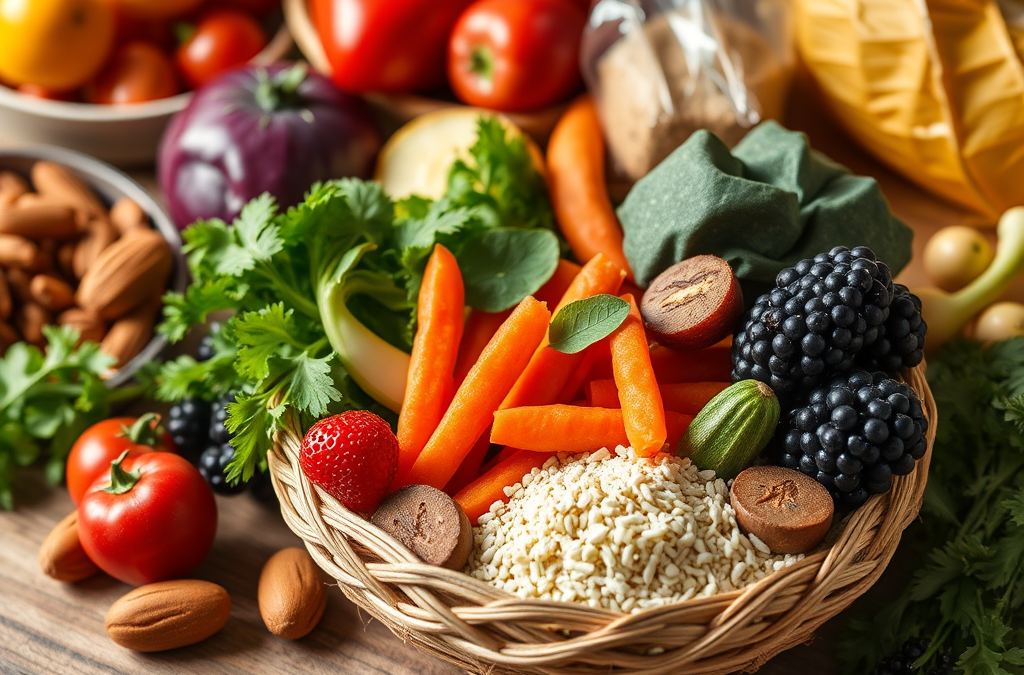
Whole foods have a profound impact on mood changes due to their rich nutrient content. Key nutrients like omega-3 fatty acids, B vitamins, and antioxidants support brain health and can alleviate symptoms of anxiety and depression. For instance, incorporating fatty fish, leafy greens, and colorful fruits into your meals can enhance neurotransmitter production, which is essential for regulating emotions. A practical approach is to focus on a diverse diet that includes these foods regularly, promoting better mood stability and overall mental well-being. By making conscious dietary choices, individuals can significantly improve their emotional health.
Key Nutrients in Whole Foods That Influence Mood
Whole foods are packed with essential nutrients that play a crucial role in regulating mood. Nutrients such as omega-3 fatty acids, B vitamins, vitamin D, and magnesium are particularly influential. Omega-3 fatty acids, found in fatty fish, flaxseeds, and walnuts, are known to support brain health and reduce inflammation, which is linked to mood disorders.
B vitamins, especially B6, B12, and folate, are essential for neurotransmitter synthesis and can help prevent mood swings and depression. Foods rich in these vitamins include leafy greens, legumes, and whole grains. Vitamin D, often obtained from sun exposure and fortified foods, has been associated with mood regulation; low levels of vitamin D have been linked to increased rates of depression.
How Whole Foods Affect Brain Chemistry
The brain relies on a steady supply of nutrients to produce neurotransmitters, which are chemicals that transmit signals in the brain and influence mood. Whole foods provide a complex array of these nutrients, which work synergistically to promote optimal brain function. For example, amino acids from protein-rich whole foods are vital for synthesizing neurotransmitters like serotonin and dopamine, which regulate mood and emotional responses.
Moreover, antioxidants found in fruits and vegetables combat oxidative stress in the brain, which can lead to cognitive decline and mood disorders. Consuming a diet high in antioxidants, such as berries, nuts, and dark leafy greens, can help protect brain cells and support overall mental health.
Practical Ways to Incorporate Whole Foods for Better Mood
To leverage the mood-enhancing benefits of whole foods, aim to incorporate a variety of nutrient-dense options into your daily diet. Start by including a colorful array of fruits and vegetables, which provide essential vitamins and minerals. Aim for at least five servings a day to ensure a wide range of nutrients.
Consider adding fatty fish like salmon or sardines to your meals a couple of times a week to boost your omega-3 intake. Whole grains such as quinoa, brown rice, and oats can provide sustained energy and support stable blood sugar levels, which is critical for mood regulation. Additionally, nuts and seeds can serve as healthy snacks that provide both protein and healthy fats.
Common Misconceptions About Whole Foods and Mood
Many people mistakenly believe that processed foods are just as beneficial as whole foods mood enhancement. However, processed foods often contain added sugars, unhealthy fats, and preservatives that can negatively impact mental health. These ingredients can lead to blood sugar spikes and crashes, resulting in mood swings.
Another misconception is that simply taking supplements can replace the need for whole foods. While supplements can help fill nutrient gaps, they cannot replicate the complex interactions of nutrients found in whole foods. Whole foods provide a holistic benefit that supports not just mood but overall health.
Frequently Asked Questions
What types of whole foods are best for improving mood?
Fruits, vegetables, whole grains, nuts, seeds, and fatty fish are excellent choices that can support mood improvement.
Can processed foods affect my mood negatively?
Yes, processed foods high in sugars and unhealthy fats can lead to mood swings and increased anxiety.
How quickly can dietary changes impact mood?
Some individuals may notice mood improvements within weeks of adopting a healthier diet, particularly with whole foods.
Are there specific foods to avoid for better mental health?
It's best to limit intake of sugary snacks, refined carbohydrates, and highly processed foods for better mental health.
How can I ensure I'm getting enough nutrients for mood support?
Focus on a diverse diet rich in whole foods, and consider consulting a nutritionist for personalized advice.
Conclusion
Understanding the relationship between whole foods and mood changes is essential for promoting mental well-being. By prioritizing nutrient-dense whole foods like fruits, vegetables, whole grains, and healthy fats, you can create a diet that supports your mental health. Recognizing the impact of nutrition on mood can lead to healthier choices that enhance your overall quality of life.
Huge Discount on the Best Certified Organic Whole Food Supplement!
Further Reading
Authoritative Sources
- Library of Congress Research Guides
guides.loc.govResearch guides that help readers locate reliable background sources on a wide range of subjects.
- USA.gov Official Information and Services
usa.govOfficial U.S. government information and public resources for practical reference.
- Google Scholar
scholar.google.comAcademic search resource for finding research literature and source material.

