
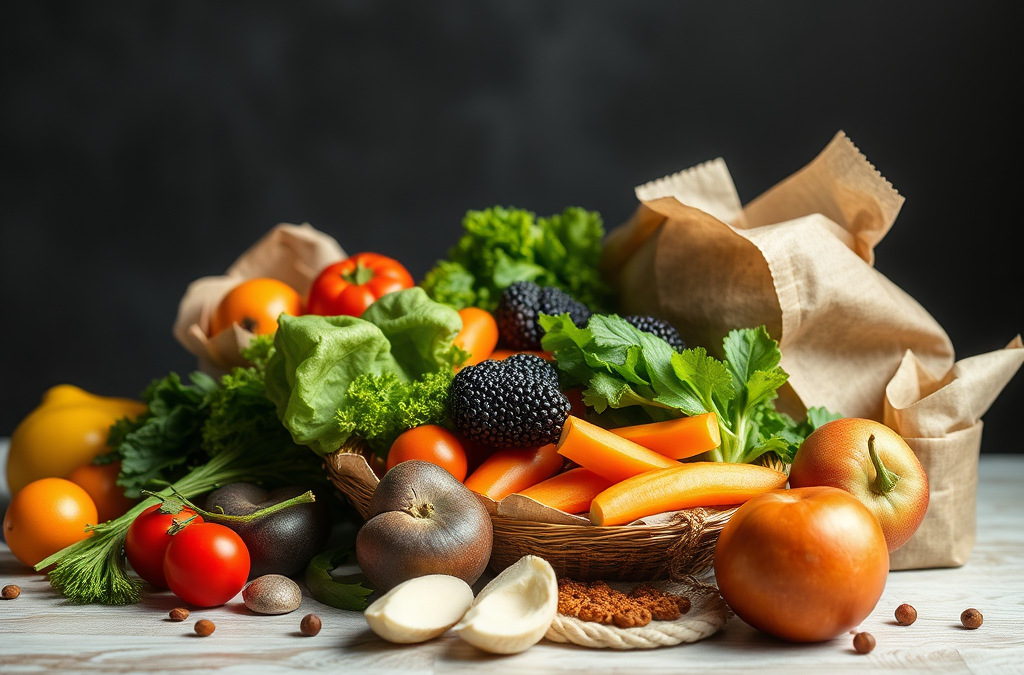
Whole foods are essential for effective weight management as they are nutrient-dense and promote feelings of fullness. By incorporating a variety of whole foods like fruits, vegetables, whole grains, and lean proteins into your diet, you can reduce cravings and maintain stable energy levels. These foods are typically lower in calories and higher in fiber, which aids digestion and helps you feel satisfied longer. To achieve sustainable weight management, prioritize whole foods over processed options, which often contain unhealthy additives that can lead to overeating and weight gain. Making this shift not only supports weight loss but also enhances overall health and well-being.
Understanding Whole Foods and Their Benefits
Whole foods are minimally processed foods that retain their natural nutrients and fiber, such as fruits, vegetables, nuts, seeds, whole grains, and lean proteins. The role of whole foods in weight management is significant because they are generally lower in calories and higher in nutrient density compared to processed options. This nutrient density means that whole foods provide more vitamins, minerals, and antioxidants per calorie, which supports overall health and can aid in weight loss.
One of the primary benefits of whole foods is their ability to promote satiety. Foods rich in fiber, such as legumes and whole grains, take longer to digest, helping you feel full for longer periods. Additionally, whole foods often have a lower glycemic index, leading to more stable blood sugar levels, which can help prevent the cravings and energy spikes associated with processed foods. Incorporating a variety of whole foods into your diet ensures that you are getting a wide range of nutrients that support metabolic health and weight management.
Whole Foods vs. Processed Foods: The Weight Management Impact
The stark difference between whole foods and processed foods plays a crucial role in weight management. Processed foods often contain high levels of added sugars, unhealthy fats, and preservatives that can lead to weight gain and poor health outcomes. These foods are designed to be hyper-palatable, encouraging overconsumption and leading to a cycle of unhealthy eating habits. In contrast, whole foods provide the necessary nutrients without the empty calories that processed foods typically offer.
Research shows that diets high in whole foods can lead to lower body mass indexes (BMIs) and reduced body fat percentages. For instance, a diet rich in fruits and vegetables has been linked to a decreased risk of obesity. Furthermore, whole foods often require more preparation and mindful eating, which can foster a healthier relationship with food and encourage conscious eating habits, ultimately supporting weight management goals.
Practical Strategies for Incorporating Whole Foods
To effectively incorporate whole foods into your diet for weight management, start by planning your meals around these nutrient-dense options. Aim to fill half your plate with vegetables and fruits at each meal. This not only increases your intake of fiber and essential nutrients but also reduces the space available for calorie-dense processed foods.
Another strategy is to prepare meals at home using whole ingredients. This allows you to control what goes into your meals and helps avoid hidden sugars and unhealthy fats often found in restaurant dishes. Batch cooking and meal prepping can save time during the week and make it easier to stick to your whole food goals. Additionally, consider keeping healthy snacks, such as nuts or fruit, readily available to help curb cravings and prevent reaching for processed options.
Common Pitfalls in Whole Food Diets
While whole foods offer numerous benefits for weight management, there are common pitfalls to be aware of. One misconception is that all whole foods are low in calories; for example, nuts and seeds, while nutritious, are calorie-dense and should be consumed in moderation. It’s important to practice portion control even with healthy options.
Another common mistake is relying solely on one type of whole food, which can lead to nutrient deficiencies. A balanced approach that includes a variety of foods from all food groups is essential for optimal health. It’s also crucial to be mindful of hidden sugars in foods labeled as “natural” or “healthy,” as these can sabotage your weight management efforts. By being aware of these pitfalls and maintaining a balanced, varied diet of whole foods, you can effectively support your weight management journey.
Frequently Asked Questions
What are whole foods?
Whole foods are minimally processed foods that retain their natural nutrients, such as fruits, vegetables, whole grains, nuts, and lean proteins.
How do whole foods help with weight management?
Whole foods promote satiety, provide essential nutrients, and support stable blood sugar levels, which can help control cravings and reduce calorie intake.
Can I eat too many whole foods?
Yes, even whole foods can contribute to weight gain if consumed in excess, especially calorie-dense options like nuts and seeds.
What are some examples of whole foods?
Examples of whole foods include fresh fruits and vegetables, legumes, whole grains, lean meats, fish, eggs, nuts, and seeds.
How can I start incorporating whole foods into my diet?
Start by planning meals around whole foods, preparing meals at home, and keeping healthy snacks on hand to reduce reliance on processed options.
Conclusion
Incorporating whole foods into your diet is a powerful strategy for effective weight management. By focusing on nutrient-dense options, you not only enhance your overall health but also create a sustainable approach to maintaining a healthy weight. Prioritize variety in your meals, practice portion control, and remain mindful of hidden sugars in foods. With these strategies, you can successfully navigate your weight management journey while enjoying the benefits of whole foods.
Huge Discount on the Best Certified Organic Whole Food Supplement!
Further Reading
Authoritative Sources
- Library of Congress Research Guides
guides.loc.govResearch guides that help readers locate reliable background sources on a wide range of subjects.
- USA.gov Official Information and Services
usa.govOfficial U.S. government information and public resources for practical reference.
- Google Scholar
scholar.google.comAcademic search resource for finding research literature and source material.

