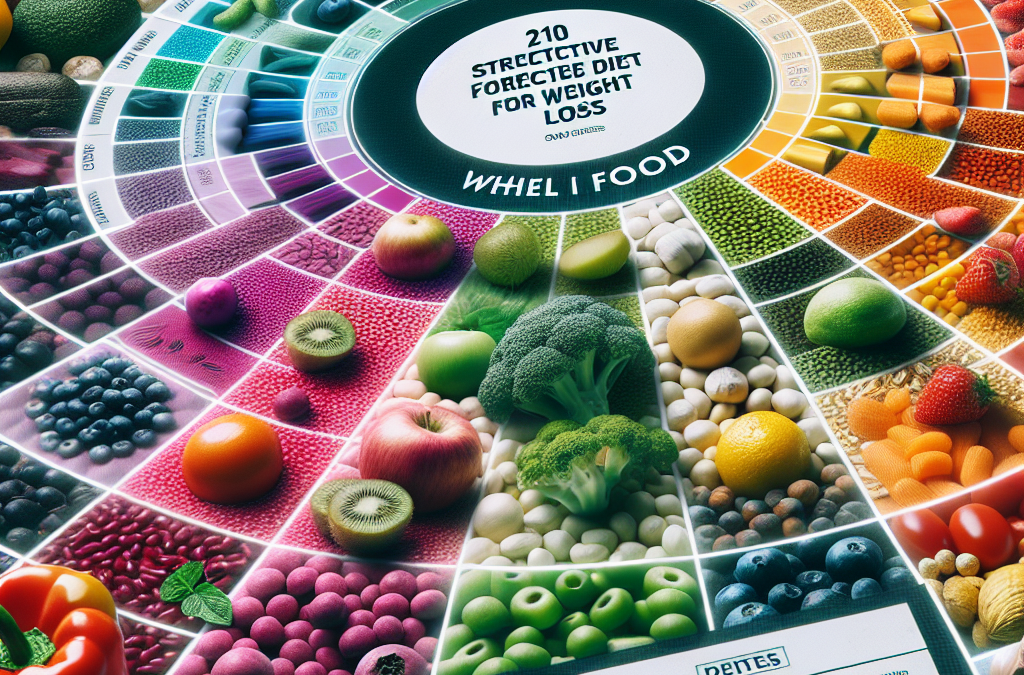
Whole foods can significantly reduce chronic inflammation through their rich nutrient profiles. Foods like fruits, vegetables, nuts, seeds, and fatty fish contain antioxidants and omega-3 fatty acids, which help mitigate inflammatory processes in the body.
Understanding how specific whole foods interact with inflammation is vital for making informed dietary choices. Chronic inflammation is often linked to various health issues, including heart disease, diabetes, and autoimmune disorders. For instance, diets high in refined sugars and processed foods can exacerbate inflammation, while whole foods provide compounds that promote healing and balance.
Key Whole Foods That Fight Inflammation
Several whole foods are particularly effective at combating chronic inflammation. Foods rich in antioxidants, such as berries, leafy greens, and nuts, can help neutralize free radicals that contribute to inflammation. Fatty fish like salmon and mackerel are also excellent sources of omega-3 fatty acids, which are known to reduce inflammatory markers in the body.
Incorporating these foods into your meals can make a noticeable difference. For example, a simple salad with spinach, walnuts, and blueberries provides a powerhouse of nutrients that combat inflammation. Additionally, spices like turmeric contain curcumin, a compound with strong anti-inflammatory properties. Making these foods staples in your diet can help maintain a balanced inflammatory response.
Understanding the Mechanism of Inflammation
Chronic inflammation occurs when the body’s immune response is activated over an extended period, often due to lifestyle factors or environmental triggers. This prolonged state can lead to tissue damage and various diseases. Whole foods contribute to reducing this inflammatory response through their nutrient density.
For instance, antioxidants found in fruits and vegetables help protect cells from oxidative stress, which is a significant contributor to inflammation. Understanding how these foods interact with your body’s systems can empower you to make dietary choices that promote long-term health.
Common Dietary Mistakes
Many people unknowingly consume foods that exacerbate inflammation. Processed foods high in trans fats, sugars, and artificial additives can lead to increased inflammatory markers. Additionally, excessive consumption of red and processed meats is linked to higher levels of inflammation.
To combat these issues, it’s essential to read labels carefully and prioritize whole foods over processed options. For example, swapping out sugary snacks for whole fruits or choosing whole grains instead of refined grains can significantly impact your inflammation levels.
Practical Tips for Incorporating Whole Foods
Incorporating whole foods into your diet doesn’t have to be complicated. Start by planning your meals around whole food options, such as whole grains, legumes, and seasonal vegetables. Meal prepping can also help ensure that you have healthy options readily available.
Another effective strategy is to experiment with new recipes that feature whole foods as the main ingredient. For instance, try making a quinoa salad with roasted vegetables and a lemon-tahini dressing. This approach not only enhances flavor but also ensures you are consistently consuming foods that help reduce inflammation.
Huge Discount on the Best Certified Organic Whole Food Supplement!
Further Reading
Authoritative Sources
- Dietary Inflammatory Index and Chronic Disease
ncbi.nlm.nih.govThis study explores the relationship between diet and inflammation, providing insights on how food choices impact chronic diseases
- The Anti-Inflammatory Diet
health.harvard.eduHarvard Health provides a comprehensive overview of the anti-inflammatory diet, emphasizing foods that help reduce inflammation
- Anti-inflammatory Effects of Fruits and Vegetables
ncbi.nlm.nih.govThis article reviews the anti-inflammatory properties of various fruits and vegetables, highlighting their health benefits
Frequently Asked Questions
What are whole foods?
Whole foods are minimally processed foods that are free from additives and artificial ingredients, such as fresh fruits, vegetables, whole grains, nuts, and seeds.
How do whole foods reduce inflammation?
Whole foods contain nutrients and antioxidants that help combat oxidative stress and inflammation, promoting better overall health.
Can I still eat processed foods?
While occasional processed foods are fine, a diet high in whole foods is recommended for managing inflammation effectively.
What are the best foods for reducing inflammation?
Foods like fatty fish, berries, leafy greens, nuts, and olive oil are among the best for reducing inflammation.
How long does it take to see results from a whole foods diet?
Many people notice improvements in inflammation levels within a few weeks of adopting a whole foods diet, but individual results may vary.
Conclusion
Incorporating whole foods into your diet is a powerful strategy for managing chronic inflammation. By prioritizing foods rich in nutrients and antioxidants, you can support your body’s natural defenses and reduce the risk of inflammation-related diseases. Start by making small changes, such as adding more fruits and vegetables to your meals, and gradually transition to a diet centered around whole foods. This proactive approach will not only benefit your health but also enhance your overall well-being.
Huge Discount on the Best Certified Organic Whole Food Supplement!
Related Content
- Unlock the Power of Whole Food and Nutrient Density in 2025 (5 Key Benefits)
- The Cognitive Clarity Connection: Why Whole Foods Help Reduce Brain Fog
- Optimize Your Gut: Mastering How Whole Foods Improve Digestion Quickly
- Maximizing Health: The Whole Food Advantage for Men Over 40
- 10 Best Whole Food Dinner Recipes for Healthy Eating in 2025