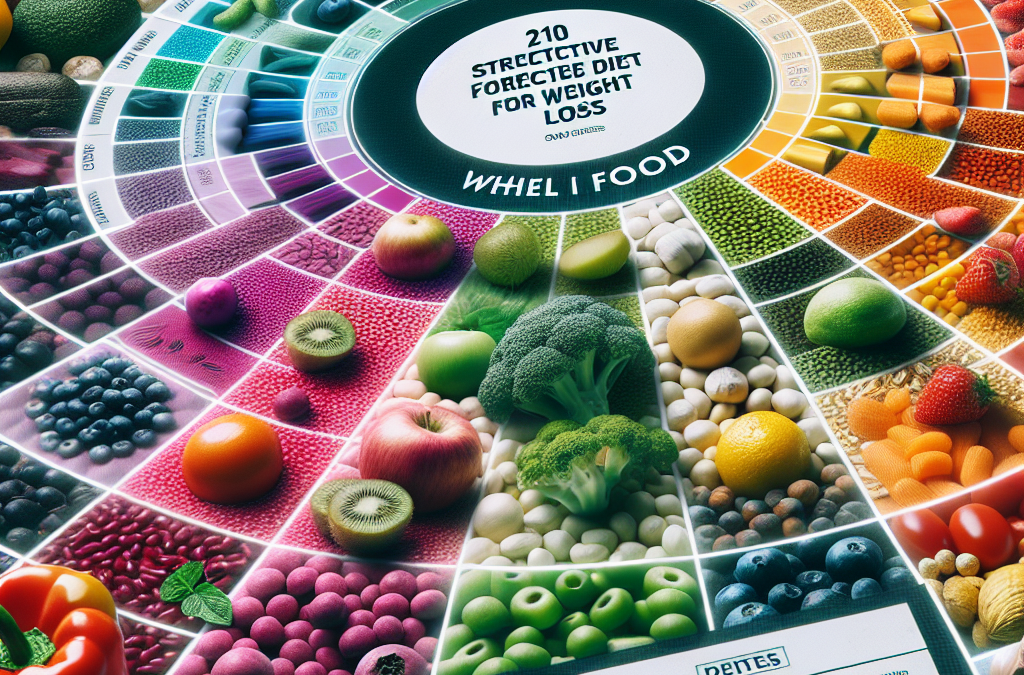
The Whole Food Diet provides a range of benefits for beginners, including enhanced energy levels, improved digestion, and effective weight management. By prioritizing unprocessed foods such as fruits, vegetables, whole grains, and lean proteins, individuals can experience significant health improvements.
For those new to this dietary approach, understanding the practical implications is crucial. Many beginners mistakenly believe that transitioning to whole foods requires drastic changes or complex recipes. However, simple substitutions—like choosing brown rice over white rice or snacking on fresh fruit instead of packaged snacks—can make a substantial difference. Prioritizing whole foods not only supports physical health but also contributes to mental well-being by stabilizing blood sugar levels and reducing cravings for unhealthy options.
A common misconception among beginners is that whole foods are more expensive or time-consuming to prepare. While some organic options might come at a premium, many whole foods, like seasonal fruits and vegetables, can be quite affordable. Additionally, meal prepping can save both time and money, allowing for easy access to healthy options throughout the week. Understanding these practical aspects helps beginners embrace the Whole Food Diet without feeling overwhelmed.

Understanding Whole Foods
Whole foods are those that are unprocessed or minimally processed, retaining their natural nutrients. This includes fresh fruits and vegetables, whole grains, nuts, seeds, legumes, and lean meats. The foundation of the Whole Food Diet centers on consuming foods in their most natural state, which maximizes nutrient intake. By avoiding heavily processed items, individuals can significantly reduce their intake of unhealthy fats, sugars, and sodium.
Many beginners may struggle to identify what constitutes a whole food. A good rule of thumb is to shop the perimeter of the grocery store, where fresh produce and other whole foods are typically located. Understanding how to read labels can also help; if a product contains a long list of ingredients or additives, it’s likely not a whole food. Prioritizing whole foods over processed options can lead to a more balanced and nutritious diet.
It’s also important to consider the environmental impact of food choices. Whole foods often come from sustainable farming practices that support local economies and reduce carbon footprints. By choosing whole foods, individuals not only benefit their health but also contribute positively to the planet.
Key Benefits of the Whole Food Diet
The Whole Food Diet is associated with numerous health benefits. Research shows that individuals who consume whole foods tend to have lower rates of chronic diseases, such as obesity, diabetes, and heart disease. The high fiber content in whole foods aids digestion and helps maintain a healthy weight by promoting feelings of fullness.
Moreover, whole foods are rich in antioxidants, vitamins, and minerals that support overall health. For instance, fruits and vegetables are packed with phytonutrients that can enhance immune function and reduce inflammation. Beginners should prioritize incorporating a variety of colorful produce into their meals to ensure they are getting a broad spectrum of nutrients.
Another significant benefit is the positive impact on mental health. Studies suggest that diets rich in whole foods can improve mood and cognitive function. By avoiding processed foods high in sugar and unhealthy fats, individuals can stabilize their energy levels and reduce mood swings, leading to a better overall quality of life.
Practical Steps to Start the Whole Food Diet
Starting the Whole Food Diet doesn’t have to be daunting. Beginners can ease into this lifestyle by making gradual changes to their eating habits. A practical first step is to replace one processed meal per day with a whole food option, such as a salad or a homemade stir-fry. This approach allows individuals to adjust their taste preferences and discover new favorite recipes without feeling overwhelmed.
Meal planning can also be an effective strategy. By dedicating time each week to plan meals, individuals can ensure they have the right ingredients on hand and avoid the temptation of processed foods. Focusing on batch cooking can save time and provide convenient, healthy meals throughout the week.
Huge Discount on the Best Certified Organic Whole Food Supplement!
Additionally, it’s beneficial to connect with like-minded communities, whether online or in-person, to share recipes and support each other on the journey toward a whole food lifestyle. Engaging with others can provide motivation and help beginners stay accountable to their dietary goals.
Further Reading
Authoritative Sources
- Whole Foods: The Essential Guide
eatwholefoods.comThis resource offers a comprehensive overview of whole foods and their benefits, along with practical tips for incorporating them into daily meals
- Nutrition.gov: Whole Foods
nutrition.govA government resource providing guidelines and information on nutrition and the importance of whole foods in a balanced diet
- Harvard T.H. Chan School of Public Health: Healthy Eating Plate
hsph.harvard.eduThis page outlines the principles of healthy eating, emphasizing the role of whole foods in maintaining a balanced diet
Frequently Asked Questions
What are the main components of a Whole Food Diet?
A Whole Food Diet primarily consists of unprocessed or minimally processed foods, including fruits, vegetables, whole grains, nuts, seeds, and lean proteins.
Can I lose weight on a Whole Food Diet?
Yes, many individuals lose weight on a Whole Food Diet due to the high fiber content and nutrient density, which promote satiety and reduce cravings.
Is a Whole Food Diet expensive?
While some whole food options can be pricier, many affordable choices exist, especially seasonal fruits and vegetables.
How do I start a Whole Food Diet?
Begin by gradually replacing processed foods with whole food alternatives, planning meals, and focusing on seasonal ingredients.
Are there any downsides to a Whole Food Diet?
Some individuals may find it challenging to adjust their taste preferences initially or struggle with meal planning, but these can be overcome with practice.
Conclusion
Embracing the Whole Food Diet can lead to significant health improvements for beginners. By focusing on unprocessed foods, individuals can enhance their energy levels, improve digestion, and maintain a healthy weight. Prioritizing whole foods not only nourishes the body but also supports mental well-being. As you start this journey, remember to make gradual changes, plan your meals, and connect with others for support. These practical steps will help you successfully adopt a Whole Food Diet and reap its numerous benefits.
Huge Discount on the Best Certified Organic Whole Food Supplement!
Related Content
- Why Whole Foods Are Essential for Long-Term Health: Key Benefits and Practical Choices
- Why Whole Foods Reduce Processed Food Cravings: The Science Behind Nutrient Density
- How Whole Foods Support Healthy Aging: Nutrient-Dense Choices for Longevity
- Discovering the Secret: Why Whole Foods Improve Energy Without Caffeine
- How Whole Foods Improve Metabolism Naturally: Specific Foods and Their Impact