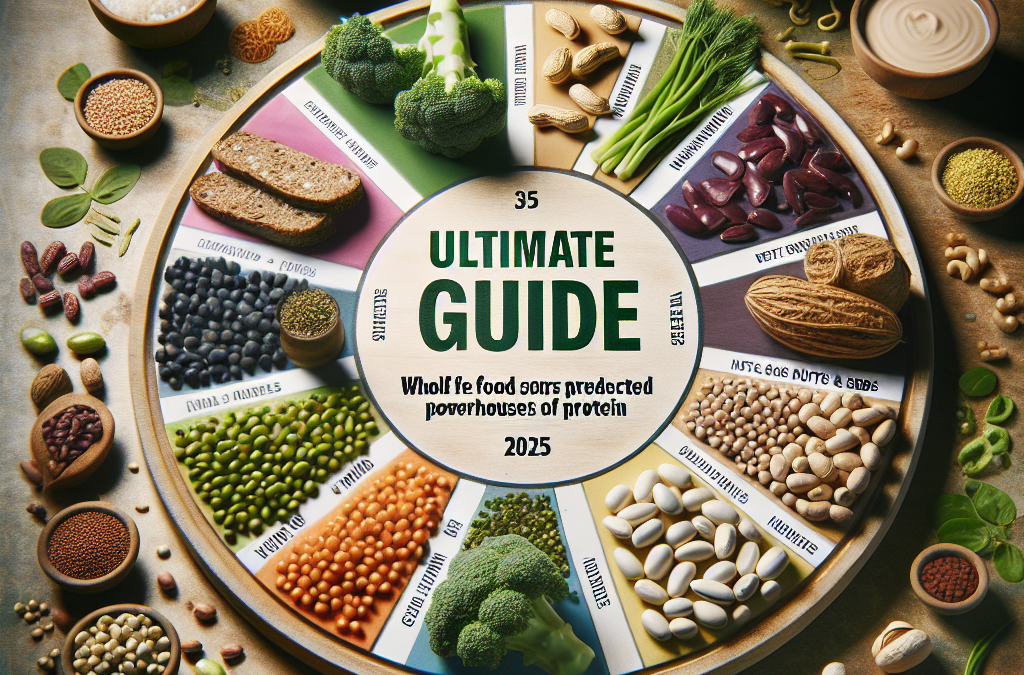
Beginners often misunderstand whole food eating by confusing it with simply consuming unprocessed foods, neglecting nutritional balance, and underestimating portion sizes. They may also misinterpret the principles, thinking it requires drastic lifestyle changes instead of gradual adjustments.
One common mistake is the belief that whole food eating is solely about the types of foods consumed, such as fruits, vegetables, and grains. While these foods are essential, it’s equally important to consider their nutritional balance. For instance, a diet overly focused on fruits may lead to excessive sugar intake. Beginners should prioritize a variety of food groups to ensure they receive a well-rounded intake of essential nutrients.
Additionally, many newcomers underestimate portion sizes, leading to imbalanced meals. Whole foods can be calorie-dense, and without proper portion control, individuals may find themselves consuming more calories than intended, counteracting their health goals. A gradual introduction to whole food principles, along with mindful eating practices, can help mitigate this issue.
The Misconception of Whole Foods
Many beginners perceive whole food eating as exclusively focusing on unprocessed foods, which can lead to misunderstandings about what constitutes a healthy diet. While it is true that whole foods—like fresh fruits, vegetables, whole grains, and legumes—are integral, the misconception lies in thinking that merely avoiding processed foods is sufficient. This approach can result in an unbalanced diet if not carefully planned.
To truly embrace whole food eating, it’s essential to recognize the importance of incorporating a variety of foods from different groups. This diversity ensures that the body receives necessary vitamins and minerals. For instance, relying heavily on one food group, such as fruits, may lead to deficiencies in other areas, such as protein or healthy fats.
Furthermore, beginners often overlook the fact that some whole foods can still be high in calories and sugars. Understanding that whole food eating is about balance, rather than restriction, can help individuals make informed choices about their diet.
Nutritional Balance: The Key to Success
Nutritional balance is critical in whole food eating, yet many beginners miss this point. It’s not just about eating whole foods; it’s about ensuring these foods provide a range of nutrients. A common pitfall is focusing primarily on macronutrients like carbohydrates, proteins, and fats without considering micronutrients like vitamins and minerals.
For instance, while whole grains are a fantastic source of energy, they should be paired with other food groups to enhance nutrient absorption. For example, adding healthy fats, such as avocado or nuts, can improve the absorption of fat-soluble vitamins found in vegetables. This holistic view of nutrition is vital for optimizing health.
Beginners should aim to create meals that include a variety of colors and types of foods, which not only makes meals more visually appealing but also ensures a wider spectrum of nutrients. This approach helps to prevent deficiencies and promotes overall well-being.
Portion Control in Whole Food Eating
Portion control is another area where beginners often falter. Many assume that because whole foods are healthier, they can consume them in unlimited quantities. However, even whole foods can contribute to excess calorie intake if portion sizes are not monitored. For example, nuts are nutritious but also calorie-dense, and overindulging can lead to unintended weight gain.
To effectively manage portion sizes, beginners can utilize practical strategies such as measuring servings or using smaller plates. This helps create a visual cue for appropriate portions and encourages mindful eating. Understanding hunger cues and eating slowly can also aid in recognizing when to stop eating.
Huge Discount on the Best Certified Organic Whole Food Supplement!
Moreover, it’s essential to remember that portion needs can vary based on individual factors such as age, gender, activity level, and overall health. Beginners should listen to their bodies and adjust their portions accordingly to maintain a balanced diet.
Practical Steps for Beginners
For those starting their journey into whole food eating, implementing practical steps can make the transition smoother. Begin by gradually incorporating more whole foods into your diet rather than attempting an overnight overhaul. This can help in adjusting taste preferences and developing new habits.
Shopping from the perimeter of grocery stores is a useful strategy. This area typically contains fresh produce, meats, and dairy, while processed foods are often found in the aisles. Additionally, planning meals and preparing snacks in advance can prevent the temptation to revert to convenience foods.
Finally, engaging with communities or resources focused on whole food eating can provide support and inspiration. Online forums, local groups, or cooking classes can offer valuable insights and help beginners stay motivated on their journey.
Further Reading
For readers interested in delving deeper into whole food eating, consider exploring official dietary guidelines or resources from recognized health organizations. These sources can provide evidence-based information and practical advice tailored to individual needs.
Further Reading
Authoritative Sources
- MedlinePlus
medlineplus.govConsumer-friendly medical and health information from the U.S. National Library of Medicine.
- National Institutes of Health
nih.govResearch-based health information and links to authoritative medical resources.
- Centers for Disease Control and Prevention
cdc.govOfficial public health guidance, prevention resources, and topic-specific recommendations.
- Mayo Clinic
mayoclinic.orgTrusted clinical guidance, symptom explainers, and treatment overviews.
- World Health Organization
who.intGlobal health guidance, fact sheets, and evidence-based public health information.
Frequently Asked Questions
What are whole foods?
Whole foods are natural, unprocessed foods that are free from artificial ingredients and additives, including fruits, vegetables, whole grains, nuts, and seeds.
How can beginners start whole food eating?
Beginners can start by gradually incorporating more whole foods into their diets, focusing on fresh produce and whole grains, while reducing processed food intake.
What mistakes do beginners make with whole food eating?
Common mistakes include neglecting nutritional balance, misjudging portion sizes, and misunderstanding the concept of whole foods.
Is whole food eating expensive?
While some whole foods can be pricier, budgeting for seasonal produce and bulk buying can make whole food eating more economical.
Can I lose weight on a whole food diet?
Yes, whole food eating can support weight loss when combined with proper portion control and balanced meals, focusing on nutrient-dense foods.
Conclusion
In conclusion, understanding what beginners misunderstand about whole food eating is crucial for establishing a sustainable and healthy lifestyle. By focusing on nutritional balance, practicing portion control, and gradually integrating whole foods into daily meals, individuals can avoid common pitfalls. Prioritizing diversity in food choices and recognizing the importance of mindful eating will set beginners on the right path toward achieving their health goals. Start small, be patient, and embrace the journey toward a healthier way of eating.
Huge Discount on the Best Certified Organic Whole Food Supplement!
Related Content
- How Whole Foods Help Lower Cholesterol Naturally: Effective Foods and Practical Steps
- How Whole Foods Reduce Sugar Cravings: Effective Ingredients and Their Impact
- Why Whole Foods Improve Long-Term Wellness: Essential Nutritional Benefits and Practical Choices
- Why Whole Foods Help With Hormone Balance: Key Ingredients for Effective Regulation
- How Whole Foods Help Strengthen Immunity Fast: Essential Nutrients and Dietary Choices