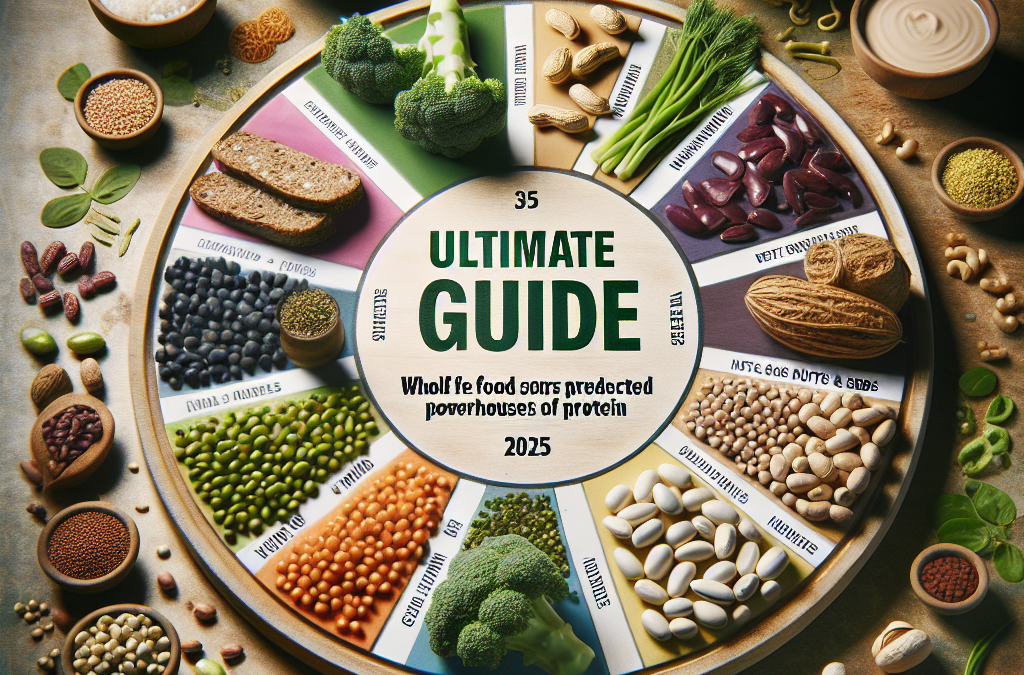
Whole food nutrition emphasizes the consumption of unprocessed, natural foods, which are rich in essential nutrients. Unlike dieting, which often involves calorie restriction and temporary changes in eating habits, whole food nutrition aims for a sustainable lifestyle that prioritizes health and well-being.
Many people mistakenly believe that dieting is the only way to achieve their health goals. However, focusing on whole foods can lead to better nutritional habits without the psychological stress associated with diet culture. By shifting the focus from calorie counting to nutrient density, individuals can foster a healthier relationship with food. Prioritizing whole foods can lead to increased energy levels, improved digestion, and better mental clarity.
A common pitfall in the dieting mindset is the tendency to view foods as ‘good’ or ‘bad.’ This binary thinking can lead to feelings of guilt or shame when consuming certain foods. Whole food nutrition, on the other hand, encourages a more balanced perspective, where all foods can fit into a healthy lifestyle. It’s essential to recognize that enjoying a variety of foods, including treats in moderation, is part of a sustainable approach to nutrition.

Understanding Whole Food Nutrition
Whole food nutrition centers on the idea of consuming foods in their most natural state, free from processing and artificial additives. This means prioritizing fruits, vegetables, whole grains, and other minimally processed items that retain their nutritional value. By focusing on these foods, individuals can obtain the vitamins, minerals, and fiber necessary for optimal health.
One of the significant advantages of whole food nutrition is its ability to support long-term health. Foods in their natural state are typically lower in added sugars, unhealthy fats, and preservatives, which are often found in processed foods. This shift can lead to reduced risks of chronic diseases such as obesity, diabetes, and heart disease. Moreover, the nutrient density of whole foods helps in maintaining energy levels and overall vitality.
It’s essential to recognize that adopting whole food nutrition may require a change in mindset and habits. Many people are accustomed to the convenience of processed foods, which can lead to a reluctance to embrace this lifestyle. However, understanding the health benefits and making gradual adjustments can significantly enhance one’s relationship with food.
The Differences Between Dieting and Whole Food Nutrition
While dieting often emphasizes temporary caloric restrictions and strict food rules, whole food nutrition focuses on nourishing the body with wholesome ingredients. This fundamental difference leads to varied outcomes in terms of physical health and mental well-being. Dieting can create a cycle of deprivation and binge eating, whereas whole food nutrition promotes a more forgiving approach to eating.
Whole food nutrition encourages individuals to listen to their body’s hunger and satiety cues, fostering a more intuitive approach to eating. This contrasts sharply with the rigid rules often imposed by diets, which can lead to disordered eating patterns and a negative body image. By embracing whole foods, individuals can cultivate a more positive relationship with food and their bodies.
Moreover, the long-term sustainability of whole food nutrition is significantly higher than that of most diets. Diets often result in short-term weight loss followed by rebound weight gain, while whole food nutrition supports gradual, lasting changes in lifestyle and health. This approach aligns with the body’s natural needs, making it easier to maintain over time.
Practical Steps to Adopt Whole Food Nutrition
Transitioning to whole food nutrition can be straightforward with a few practical steps. Start by incorporating more fruits and vegetables into each meal, aiming for a variety of colors to ensure a broad spectrum of nutrients. Whole grains, such as brown rice, quinoa, and oats, should replace refined grains, providing more fiber and essential nutrients.
Meal planning can be an effective strategy in this transition. By preparing meals ahead of time using whole ingredients, individuals can avoid the temptation of processed foods. Focus on simple recipes that highlight whole foods, and experiment with new ingredients to keep meals exciting and satisfying.
Additionally, reading food labels can help individuals identify processed foods and make informed choices. Look for items with short ingredient lists, preferably those that contain only whole foods. This practice encourages mindfulness and empowers individuals to prioritize their health.
Huge Discount on the Best Certified Organic Whole Food Supplement!
Common Mistakes to Avoid
One common mistake when adopting whole food nutrition is the belief that all whole foods are inherently healthy. For instance, whole grain products can still contain added sugars or unhealthy fats. It’s essential to scrutinize labels and choose products with minimal processing. Additionally, some individuals may overlook portion sizes, mistakenly believing that they can eat unlimited quantities of whole foods without consequences.
Another pitfall is the tendency to isolate certain foods as ‘bad’ or ‘forbidden.’ This mindset can lead to feelings of deprivation and cravings. Instead, aim for balance by including a variety of foods in moderation. Whole food nutrition should not feel restrictive; it should encourage enjoyment and satisfaction.
Lastly, individuals may underestimate the importance of hydration in their nutrition journey. Drinking plenty of water is crucial for overall health and can aid in digestion and nutrient absorption. Prioritize water intake alongside whole food consumption for optimal health benefits.
Further Reading
Authoritative Sources
- ChooseMyPlate.gov
choosemyplate.govThis resource provides essential guidelines on building a healthy plate using whole foods
- Academy of Nutrition and Dietetics
eatright.orgOffers a wealth of information on nutrition and healthy eating practices
- Harvard Health Publishing
health.harvard.eduA trusted source for the latest research and articles on nutrition and health
Frequently Asked Questions
What is the main focus of whole food nutrition?
The main focus of whole food nutrition is to consume unprocessed, natural foods that provide essential nutrients without additives.
How does whole food nutrition differ from traditional dieting?
Whole food nutrition promotes long-term health and sustainable eating habits, while traditional dieting often emphasizes short-term weight loss and calorie restriction.
Can I still enjoy treats while following whole food nutrition?
Yes, whole food nutrition encourages balance and moderation, allowing for occasional treats as part of a healthy lifestyle.
What are some common mistakes people make when transitioning to whole food nutrition?
Common mistakes include viewing whole foods as ‘bad’ or ‘forbidden’ and not paying attention to portion sizes.
How important is hydration in whole food nutrition?
Hydration is crucial for overall health; drinking plenty of water aids digestion and nutrient absorption, complementing whole food consumption.
Conclusion
In summary, whole food nutrition offers a sustainable and health-focused approach to eating that stands in contrast to traditional dieting methods. By prioritizing unprocessed, natural foods, individuals can improve their overall well-being and foster a healthier relationship with food. It’s essential to embrace the principles of whole food nutrition by incorporating a variety of foods, practicing moderation, and maintaining an awareness of portion sizes. As you embark on this journey, remember that the goal is not just to eat better, but to cultivate a lifestyle that supports long-term health and happiness.
Huge Discount on the Best Certified Organic Whole Food Supplement!
Related Content
- The Best Whole Foods for Fat Loss Support: Nutrient-Dense Options to Enhance Your Weight Loss Journey
- How Whole Foods Help Improve Overall Vitality: Key Nutrients and Dietary Strategies
- Why Whole Foods Improve Nutrient Absorption: Key Factors and Effective Choices
- Why Whole Foods Improve Insulin Sensitivity: The Role of Nutrient Density and Glycemic Control
- Ditching Cravings: The Surprising Role of Whole Foods in Your Diet